Introduction to Hot Dip Galvanized Hex Bolts
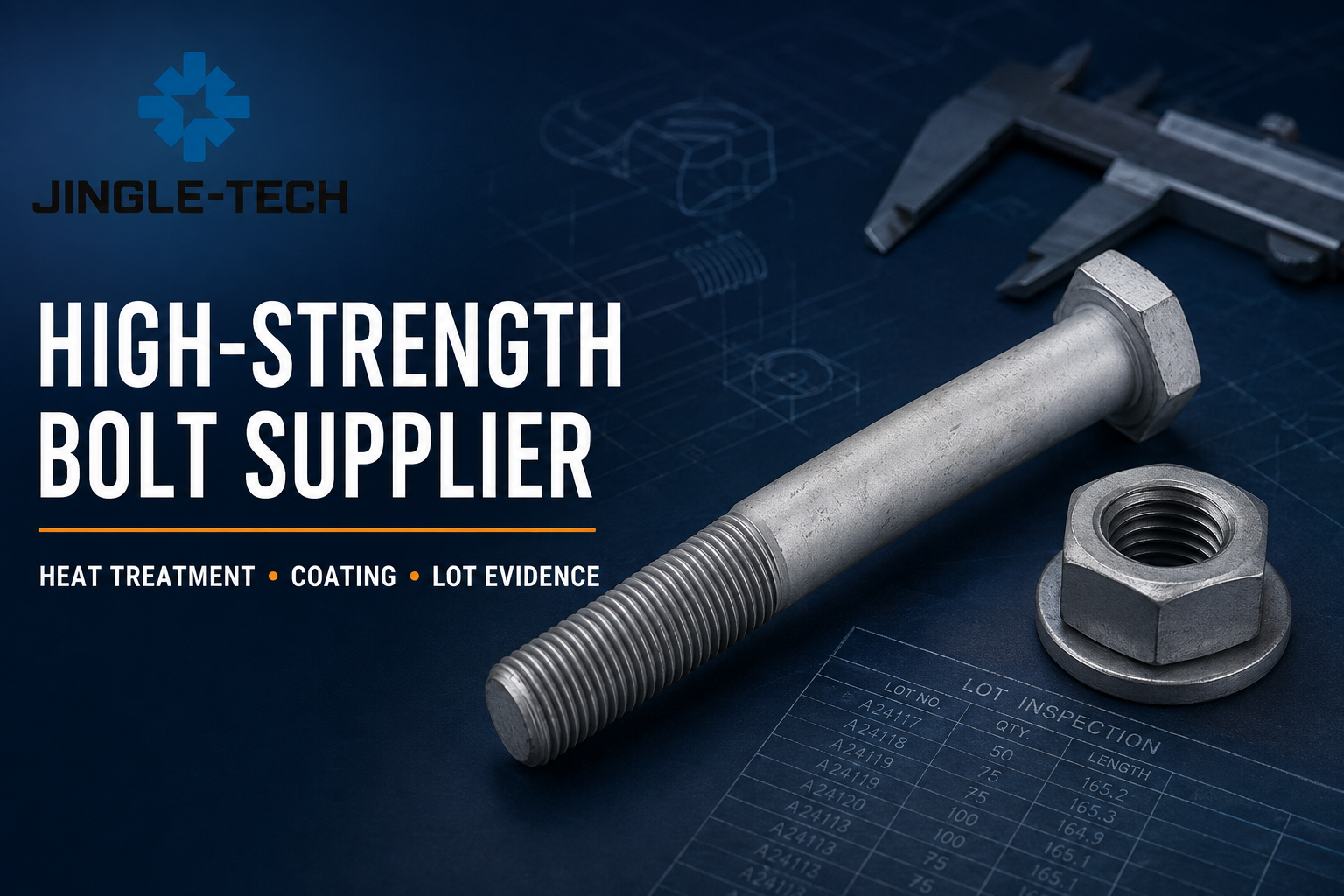
In the world of construction, where durability meets precision, Hot Dip Galvanized Hex Bolts for Construction stand out as essential fasteners. These robust bolts, coated through a hot-dip galvanizing process, provide a thick layer of zinc that shields the steel core from rust and corrosion. Imagine a bustling construction site, rain or shine, where these bolts hold massive steel beams together without flinching in the face of harsh weather. The hexagonal head design allows for easy gripping with standard tools, making them a favorite among builders who value efficiency and reliability.
The Galvanizing Process and Its Benefits
The magic behind Hot Dip Galvanized Hex Bolts for Construction lies in their creation. Steel bolts are immersed in a bath of molten zinc at around 450 degrees Celsius, forming a metallurgical bond that creates a protective coating thicker than any paint or electroplating. This process not only prevents oxidation but also offers sacrificial protection—if the zinc layer is scratched, it corrodes first, sparing the underlying steel. In construction scenarios like bridges, highways, and high-rise buildings, these bolts endure exposure to moisture, chemicals, and extreme temperatures. Their lifespan can extend up to 75 years in outdoor environments, reducing maintenance costs and ensuring structural integrity over decades. Picture a coastal pier standing tall against salty winds, all thanks to these resilient fasteners.
Versatile Applications in Modern Construction
Hot Dip Galvanized Hex Bolts for Construction are incredibly versatile, fitting seamlessly into a variety of projects. From securing metal frameworks in industrial warehouses to anchoring solar panel arrays in renewable energy installations, their strength is unmatched. The hex shape ensures a secure fit and high torque application, minimizing slippage during installation. Builders appreciate how these bolts comply with standards like ASTM A307 and A325, guaranteeing safety and performance. In urban developments, where timelines are tight and weather unpredictable, these bolts provide peace of mind. Envision a skyscraper rising above the city skyline, its skeleton fortified by these gleaming, zinc-coated guardians against the elements.
Why Choose Hot Dip Galvanized Hex Bolts
Selecting Hot Dip Galvanized Hex Bolts for Construction means investing in quality that pays dividends in longevity and safety. Unlike plain steel bolts that succumb to rust within months, these galvanized versions maintain their form and function, even in aggressive environments like marine or chemical plants. Their cost-effectiveness shines through in long-term savings—no frequent replacements or emergency repairs. For contractors, the ease of sourcing them in various sizes, from 1/4 inch to 1 inch diameters and lengths up to 20 inches, simplifies procurement. As construction evolves with sustainable practices, these bolts align perfectly, offering eco-friendly corrosion resistance without volatile compounds. Whether you're erecting a new office complex or reinforcing an existing bridge, these bolts embody the pinnacle of engineering excellence, vividly supporting the structures that shape our world.