Project Overview: The Grand City Art Installation
A recent urban development project, the "Grand City Art Installation," aimed to enhance public spaces with monumental precast concrete sculptures. This case study examines the critical role of specialized lifting equipment, specifically the careful selection and use of a robust lifting anchor system, in overcoming the unique challenges presented by this ambitious undertaking. The project involved the transportation and precise placement of several large, irregularly shaped artworks, each weighing several tons, into predetermined locations within a busy city park. The success of the entire endeavor hinged on the ability to lift and maneuver these heavy elements safely and accurately, without causing damage to the sculptures or the surrounding environment. Early planning identified the lifting phase as a high-risk component requiring meticulous attention to detail and the right choice of hardware.
The Unique Lifting Challenge: Hoisting Irregular Precast Sculptures
The primary challenge lay in the nature of the art pieces themselves. Unlike standard construction elements, these sculptures featured complex geometries, varying centers of gravity, and delicate surface finishes that were susceptible to damage. Traditional lifting methods employing slings or chains directly on the sculpture surface were deemed too risky, as they could cause chipping, scratching, or even structural compromise. Furthermore, the installation sites were often in landscaped areas with limited access for heavy machinery, demanding a lifting solution that was not only safe but also efficient and adaptable. The project timeline was tight, meaning any delays due to lifting complications would have significant knock-on effects. Ensuring the stability of each piece during the lift and its precise orientation upon placement was paramount to achieving the artistic vision. This situation demanded a specialized approach, moving beyond generic lifting solutions. The core problem was how to securely grip and control these unwieldy, valuable objects throughout the lifting and setting process.
Choosing the Right System: The Importance of a Reliable Lifting Anchor and Clutch
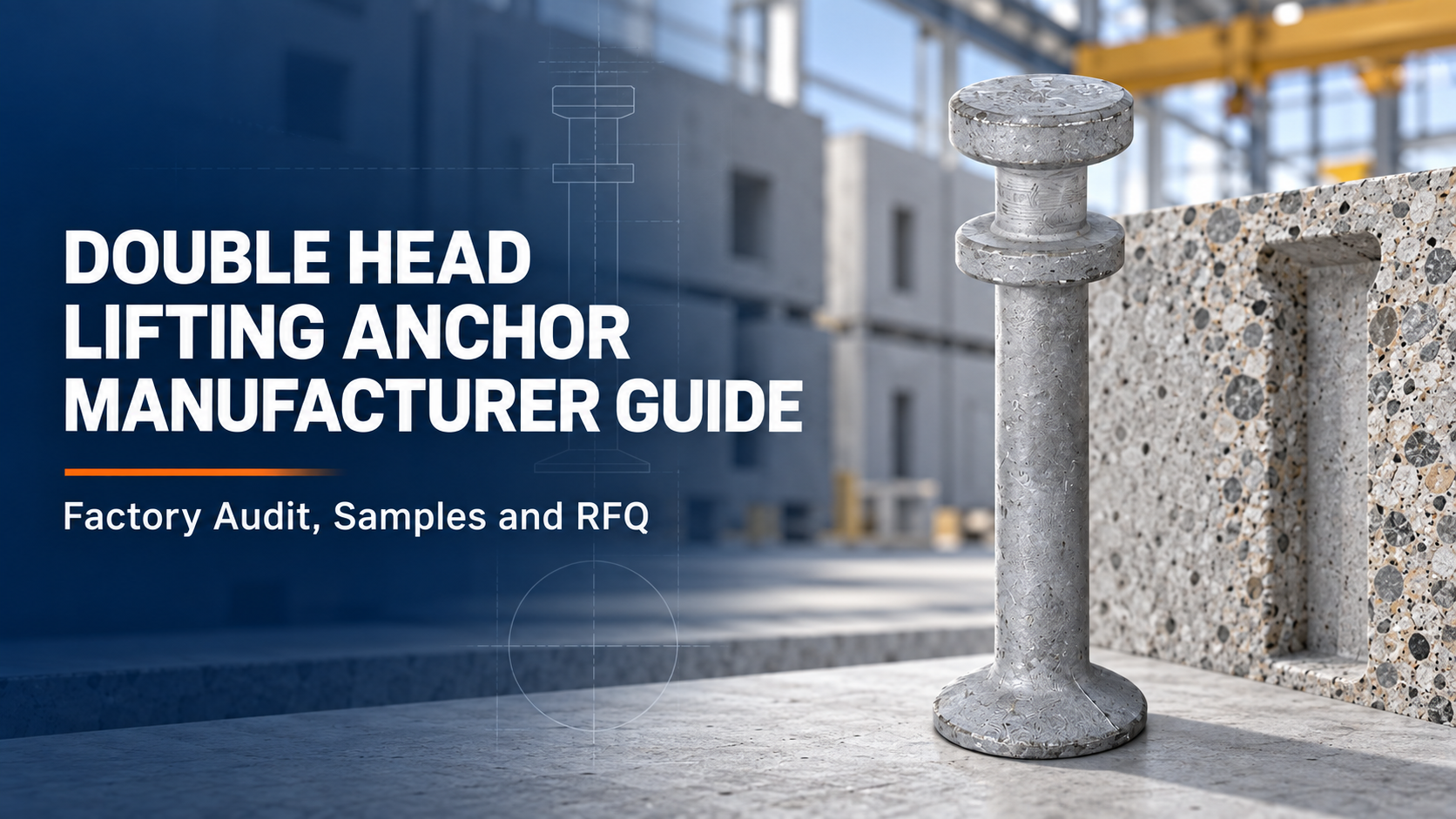
After thorough evaluation of various lifting systems, the project team opted for a precast concrete lifting system utilizing cast-in lifting anchor points and a corresponding quick-release lifting clutch. The chosen lifting anchor was designed to be embedded securely within the concrete sculptures during their fabrication process, providing a strong and reliable attachment point. The decision to use this type of system was based on several factors: its ability to handle heavy loads, the reduced risk of damage to the sculpture surface, and the efficiency it offered. The complementary lifting clutch was a key component, engineered to engage swiftly and securely with the embedded anchor. This specific lifting clutch model was selected for its ease of use, its robust locking mechanism that prevented accidental release under load, and its omni-directional loading capability, which was crucial for maneuvering the awkwardly shaped sculptures into their final positions. The system allowed for a clean, unobtrusive connection that would not mar the aesthetic of the finished artwork.
Precision in Action: The Lifting Clutch and Anchor at Work
During the installation phase, the benefits of the chosen system became evident. For each sculpture, the crane operator could easily connect the lifting clutch to the pre-installed lifting anchor. The design of the lifting clutch ensured a positive, secure engagement with a simple click-and-lock action, which significantly sped up the rigging process compared to more traditional methods. This efficiency was crucial in minimizing disruption in the public park. Field operatives reported that the clutch was intuitive to use, and its remote release feature (where applicable for certain models or with accessories) allowed for disengagement from a safe distance once the sculpture was securely in place. The strength of the selected lifting anchor provided the necessary confidence to handle the multi-ton loads, while the articulation afforded by the clutch head allowed for subtle adjustments in orientation as the sculptures were lowered into their foundations. Multiple lifts were performed without incident, showcasing the system's reliability. The controlled engagement and disengagement offered by the lifting clutch proved invaluable for the safety and precision required.
Successful Installation and Key Learnings from the Field
The Grand City Art Installation was completed on schedule and within budget, with all sculptures safely and accurately installed. The success of the lifting operations was a significant contributing factor. The carefully selected lifting anchor and lifting clutch system performed exceptionally, meeting all safety and performance criteria. Key learnings from this project underscore the importance of early consideration of lifting requirements, especially for non-standard items. Investing in high-quality, purpose-designed equipment like a dependable lifting clutch and anchor system minimizes risks, improves efficiency, and protects valuable assets. The case demonstrated that when dealing with heavy precast elements, particularly those with aesthetic or complex structural considerations, the performance of the connection point – the anchor and its engaging clutch – is absolutely critical to a successful outcome. This project serves as a clear example of how specialized lifting technology can resolve complex logistical challenges effectively.