Understanding the M12 Heavy Duty Bolt
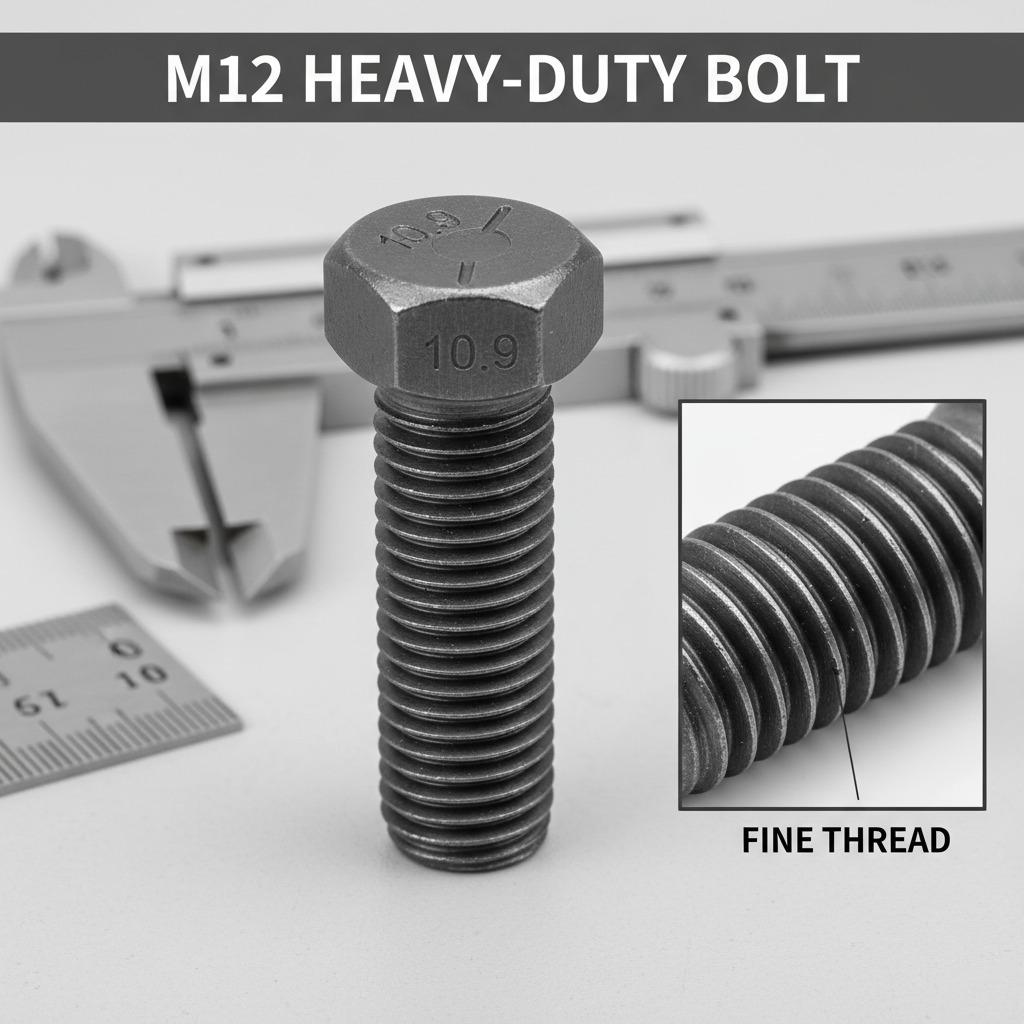
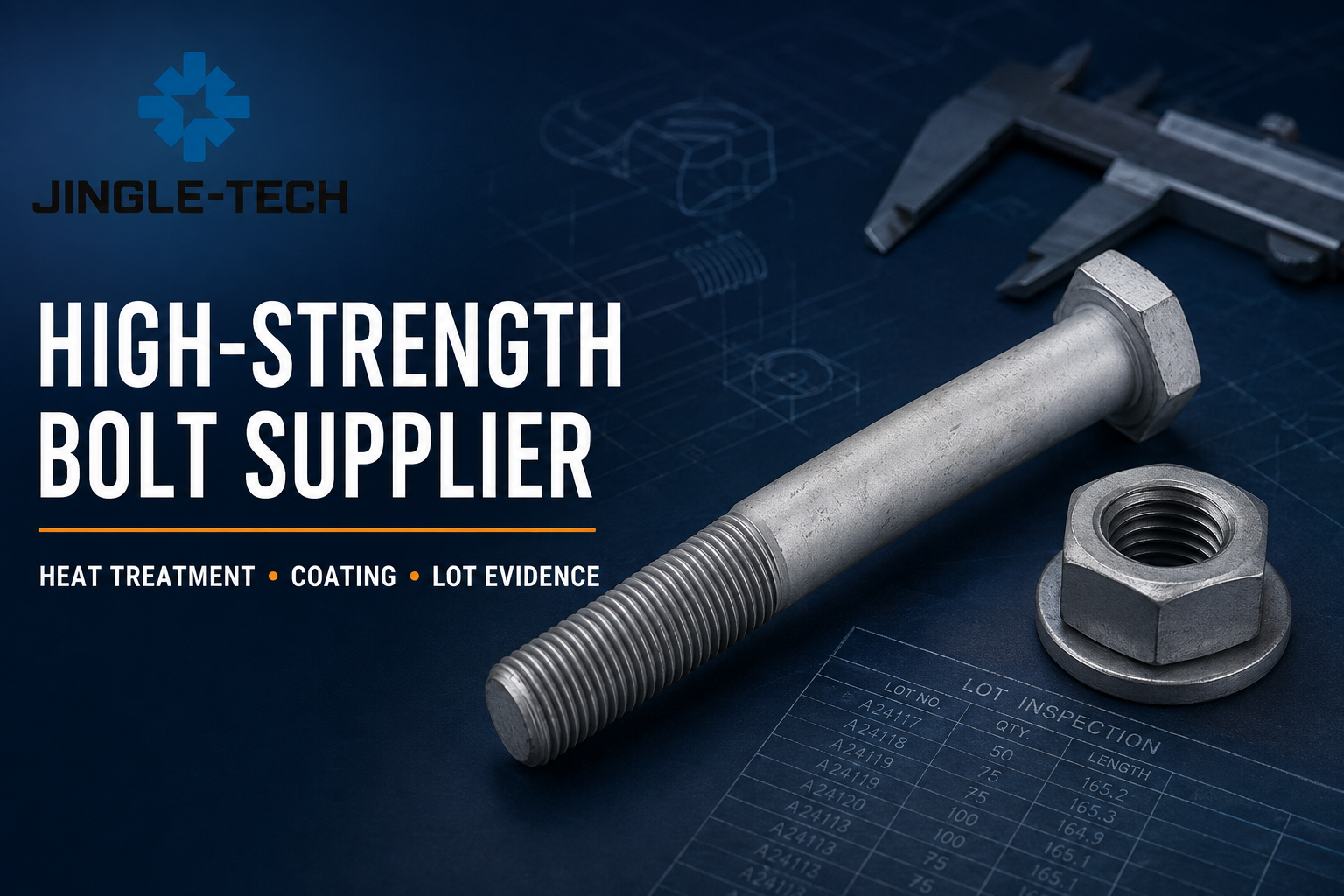
When it comes to robust construction and industrial applications, the m12 heavy duty bolt stands out as a reliable fastening solution. Measuring 12 millimeters in diameter, this bolt is engineered to withstand significant loads and harsh environments. Its heavy-duty design incorporates high-strength materials like alloy steel or stainless steel, ensuring durability and resistance to corrosion. Whether you're working on machinery assembly, structural frameworks, or automotive repairs, the m12 heavy duty bolt provides the secure hold needed for safety and performance.
Key Features and Specifications
The m12 heavy duty bolt is typically available in various grades, such as Grade 8.8 or 10.9, which indicate its tensile strength and yield point. These bolts feature coarse or fine threads, depending on the application, allowing for easy installation with compatible nuts and washers. A common length range spans from 20mm to 300mm, making it versatile for different project sizes. One of the standout attributes is its ability to handle shear forces and vibrations, which is crucial in heavy machinery and construction sites. Additionally, many variants come with zinc plating or hot-dip galvanization to enhance longevity in outdoor or moist conditions.
Applications in Various Industries
In the construction sector, the m12 heavy duty bolt is indispensable for securing beams, columns, and concrete forms. It's widely used in bridging projects, high-rise buildings, and infrastructure maintenance where load-bearing capacity is paramount. The manufacturing industry relies on it for assembling heavy equipment, such as presses and conveyors, ensuring operational integrity. Automotive enthusiasts and professionals also favor the m12 heavy duty bolt for engine mounts and suspension systems due to its precise fit and strength. Even in renewable energy setups, like wind turbines, these bolts secure components against constant wind stress, contributing to reliable energy production.
Installation Tips and Best Practices
Proper installation of the m12 heavy duty bolt begins with selecting the right torque specifications to avoid over-tightening, which could lead to thread stripping. Use a calibrated torque wrench to achieve the recommended values, often between 70-100 Nm depending on the grade and material. Always pair it with appropriate washers to distribute load evenly and prevent surface damage. Pre-drilling holes with the correct diameter is essential for a snug fit, and applying thread locker can further secure against loosening in dynamic environments. Regular inspections for wear or corrosion will extend the bolt's lifespan, ensuring ongoing safety in demanding applications.
Why Choose M12 Heavy Duty Bolts Over Standard Options
Compared to lighter-duty fasteners, the m12 heavy duty bolt offers superior load-bearing capabilities, making it ideal for scenarios where failure isn't an option. Its standardized metrics comply with ISO and DIN standards, guaranteeing compatibility across global suppliers. While slightly more expensive than basic bolts, the investment pays off through reduced replacement needs and enhanced project reliability. For professionals seeking peace of mind in high-stakes environments, the m12 heavy duty bolt remains a top choice, balancing strength, versatility, and cost-effectiveness in the world of industrial fastening.