Understanding the M4 Self Tapping Screw
When it comes to fastening solutions in DIY projects, construction, or manufacturing, the m4 self tapping screw stands out as a versatile and efficient choice. This type of screw features a 4mm diameter and is designed to create its own threads in materials like wood, metal, or plastic without the need for a pre-drilled hole, making installation quick and straightforward. Its self-tapping mechanism ensures a secure hold, reducing the risk of stripping or loosening over time. Whether you're assembling furniture, securing panels, or working on automotive repairs, the m4 self tapping screw offers reliability and ease of use that professionals and hobbyists alike appreciate.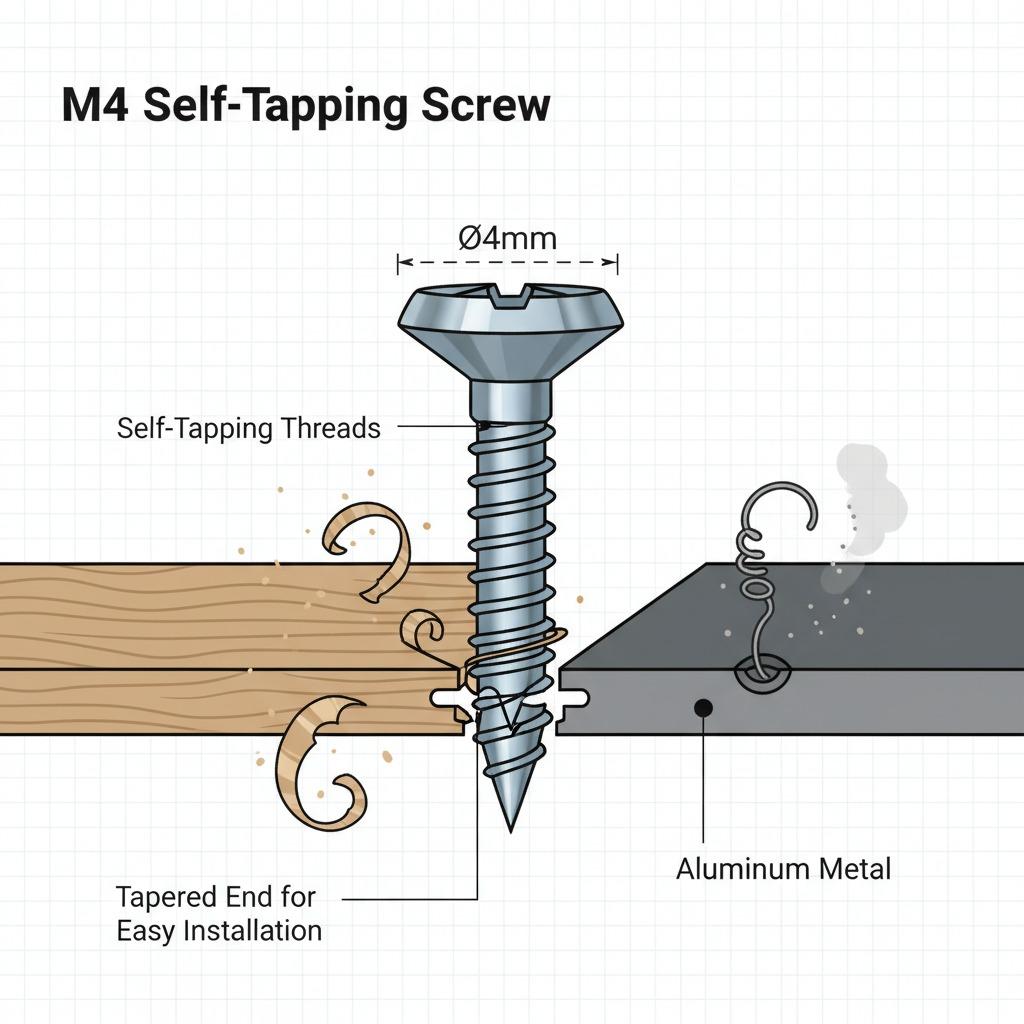
Exploring Related Options: Stainless Steel Screws
Complementing the m4 self tapping screw are stainless steel screws, which provide exceptional durability in harsh environments. Made from corrosion-resistant alloys, stainless steel screws are ideal for outdoor applications or areas exposed to moisture, chemicals, or saltwater. Unlike standard screws, they maintain their integrity without pitting or rusting, ensuring long-term performance. For instance, pairing a m4 self tapping screw with stainless steel construction enhances projects like deck building or marine installations. These screws come in various heads and lengths, allowing customization to fit specific needs while maintaining the self-tapping efficiency.
Pan Head Screw: Style Meets Functionality
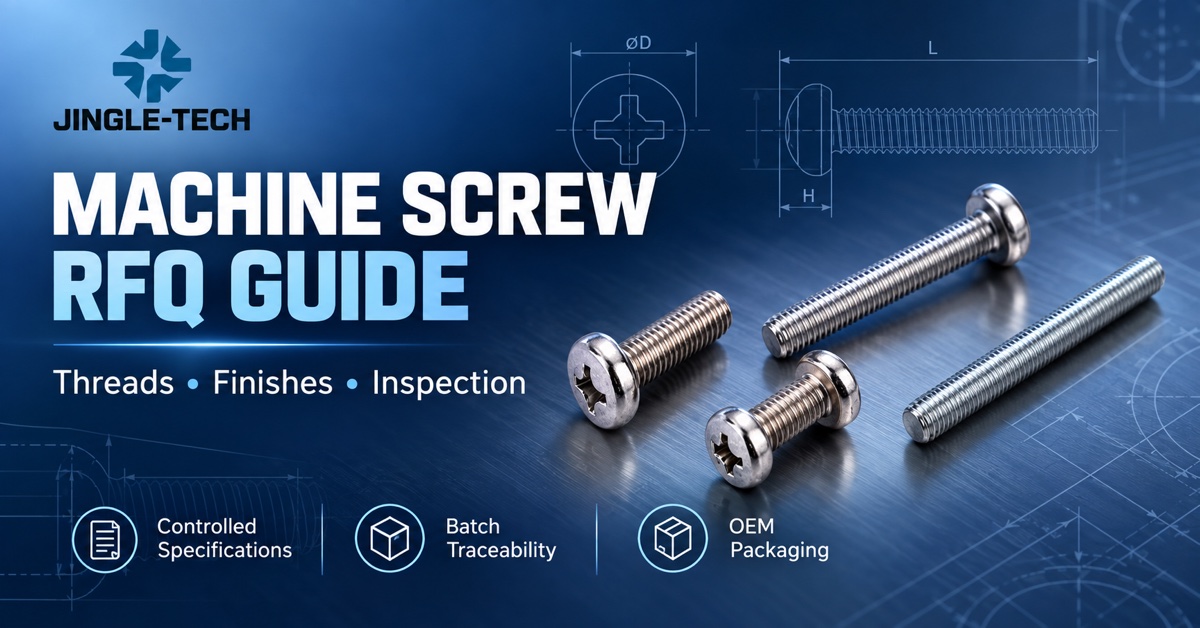
Another popular variant is the pan head screw, often integrated with the m4 self tapping screw design for a balance of aesthetics and strength. The pan head provides a larger bearing surface, distributing pressure evenly and preventing damage to the material surface. This makes it perfect for applications where a flush or semi-flush finish is desired, such as in electronics enclosures or cabinetry. Available in stainless steel or other finishes, pan head screws with self-tapping features simplify assembly processes, saving time and reducing tool requirements. Their rounded top also offers a sleek look, combining practicality with visual appeal in modern designs.
The Appeal of Black Screws Metal for Modern Projects
For those seeking a contemporary edge, black screws metal options, including m4 self tapping screw variants, add a subtle, non-reflective finish that blends seamlessly with dark or painted surfaces. Coated for added protection, these black screws metal resist wear and provide a professional appearance in architectural or interior design work. They're particularly useful in visible installations like shelving or machinery guards, where matching the hardware to the overall aesthetic is key. The self-tapping nature ensures they grip firmly into metals or composites, while the black coating helps mask fingerprints and minor scratches, maintaining a polished look over time.
Embracing Anti Rust Screws for Longevity
Durability is further enhanced with anti rust screws, a category that includes specialized m4 self tapping screw treatments. These screws are engineered with protective layers, such as zinc plating or polymer coatings, to ward off oxidation and corrosion in humid or industrial settings. Ideal for outdoor furniture, garden tools, or HVAC systems, anti rust screws ensure that your fasteners remain intact, preventing structural weaknesses. By choosing anti rust variants of stainless steel screws or pan head designs, you invest in quality that withstands environmental challenges, extending the lifespan of your projects and minimizing maintenance needs.
In summary, the m4 self tapping screw, along with its related counterparts like stainless steel screws, pan head screw, black screws metal, and anti rust screws, forms a comprehensive toolkit for any fastening task. Their combined strengths in ease, strength, and resistance make them indispensable for both novice and expert users, promoting efficient and enduring results across diverse applications.