Understanding the Precast Fixing System: A Key Innovation in Construction
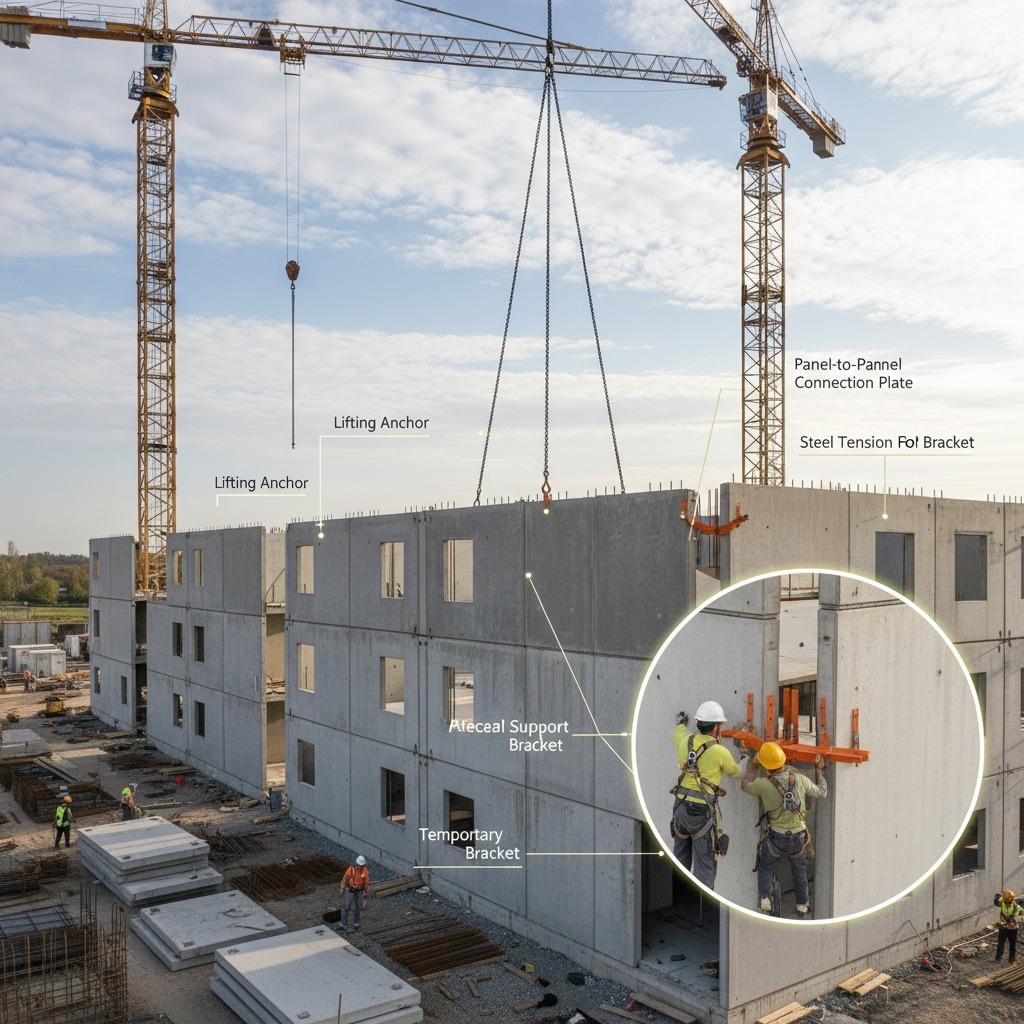
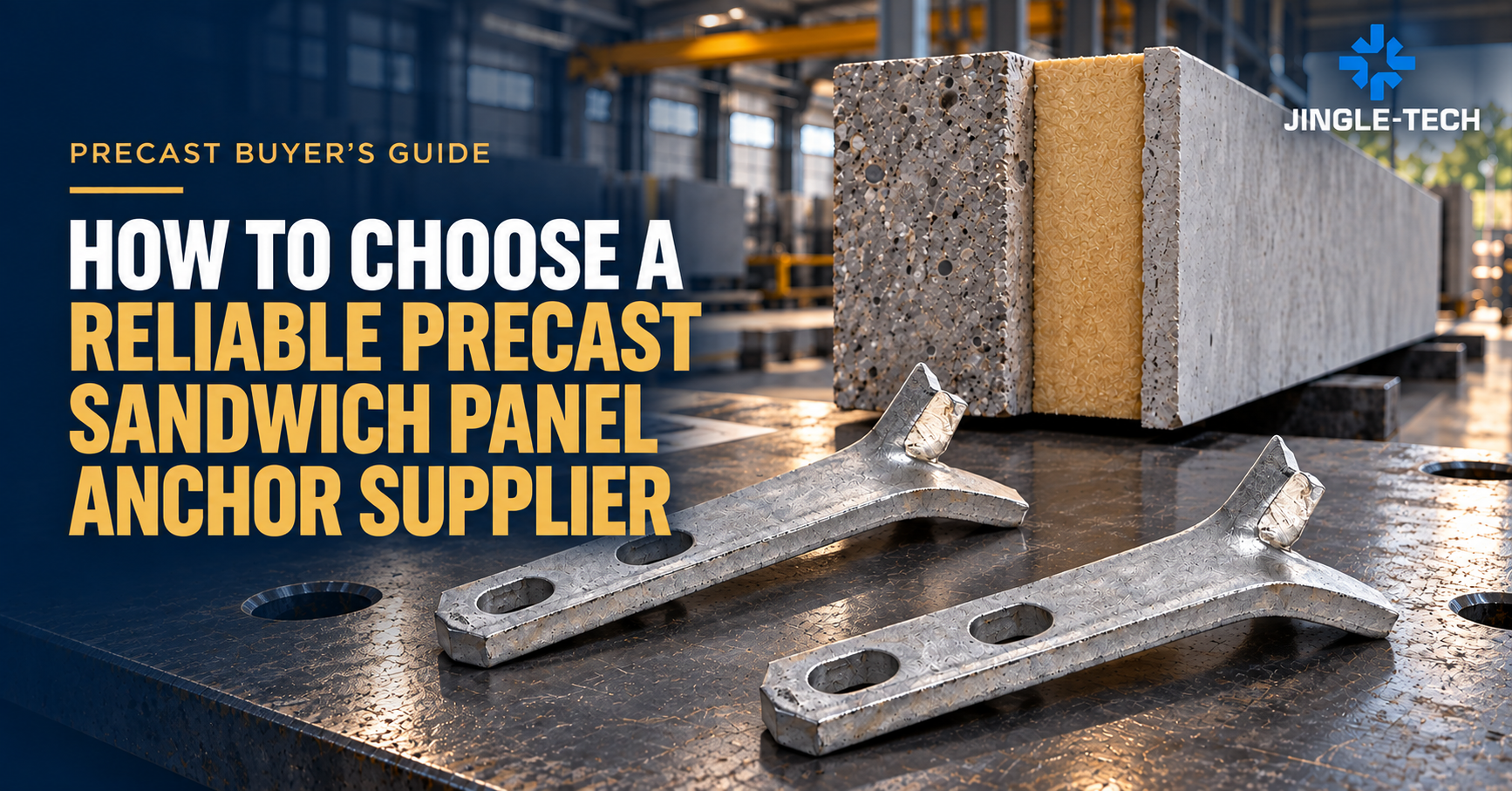
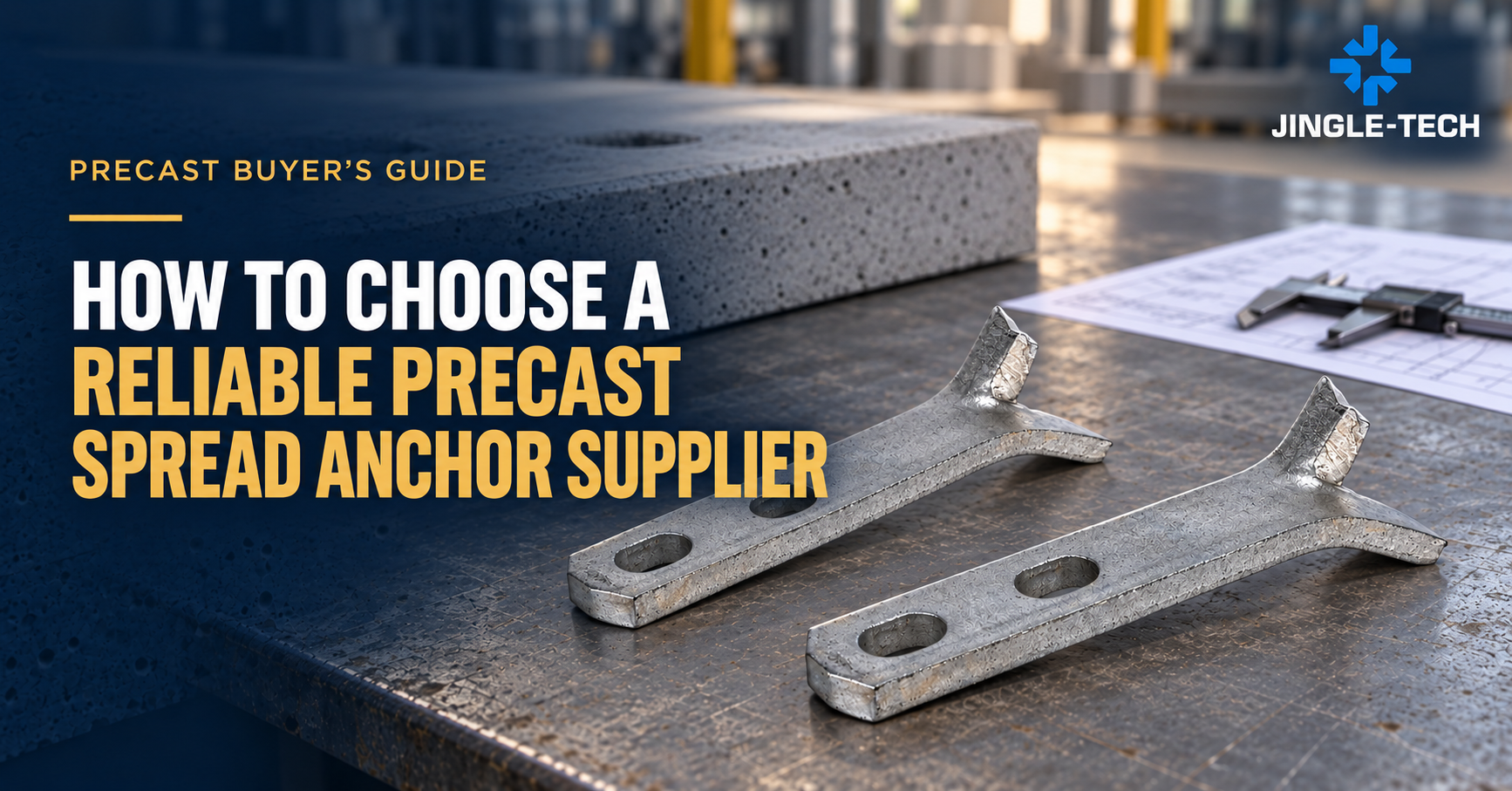
In the world of modern construction, the precast fixing system stands out as an essential component for efficient and reliable assembly. This system allows for the secure attachment of precast concrete elements, ensuring structural integrity and ease of installation. Whether you're building high-rise structures or modular homes, incorporating a precast fixing system streamlines the process, reducing on-site labor and minimizing errors. As construction demands evolve, understanding this technology becomes crucial for professionals aiming to deliver projects on time and within budget.
Exploring Threaded Insert Concrete Solutions
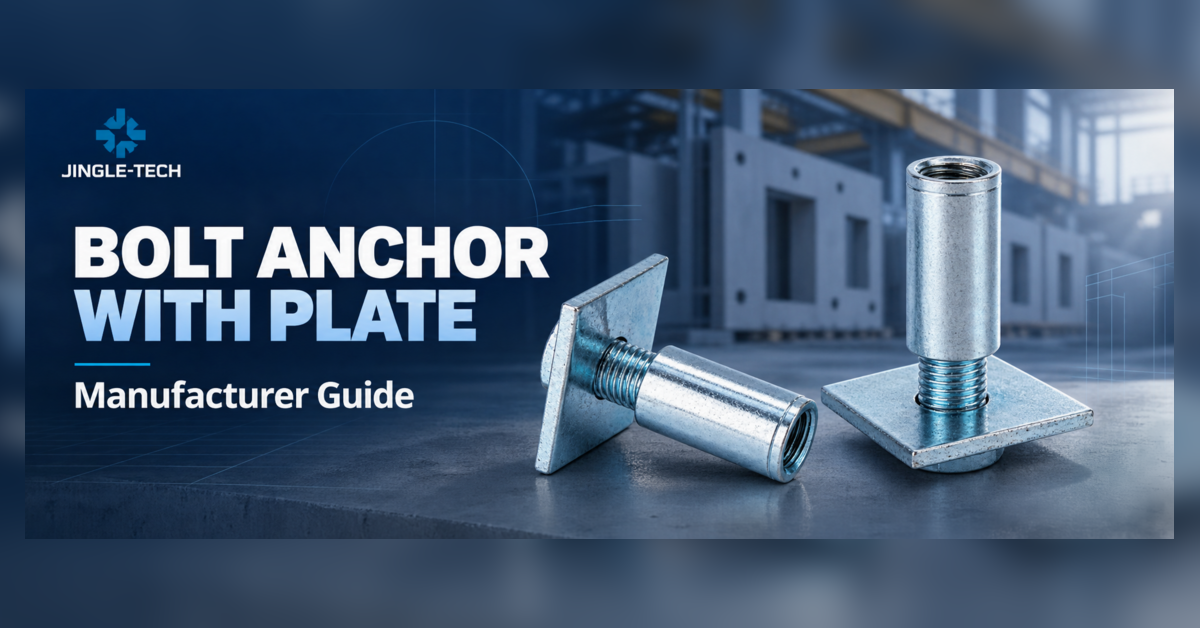
One of the core elements within the precast fixing system is the threaded insert concrete mechanism. These inserts are embedded directly into precast panels during the manufacturing phase, providing robust anchoring points for bolts and rods. Threaded insert concrete solutions are designed to withstand heavy loads and environmental stresses, making them ideal for applications in bridges, parking structures, and industrial buildings. By pre-installing these inserts, builders can avoid the hassles of drilling and patching on-site, which often leads to delays and increased costs. The precision of threaded insert concrete ensures a seamless connection between elements, enhancing the overall durability of the structure. Moreover, these inserts come in various sizes and thread specifications to match specific project requirements, offering flexibility without compromising strength.
The Advantages of a Socket System Precast
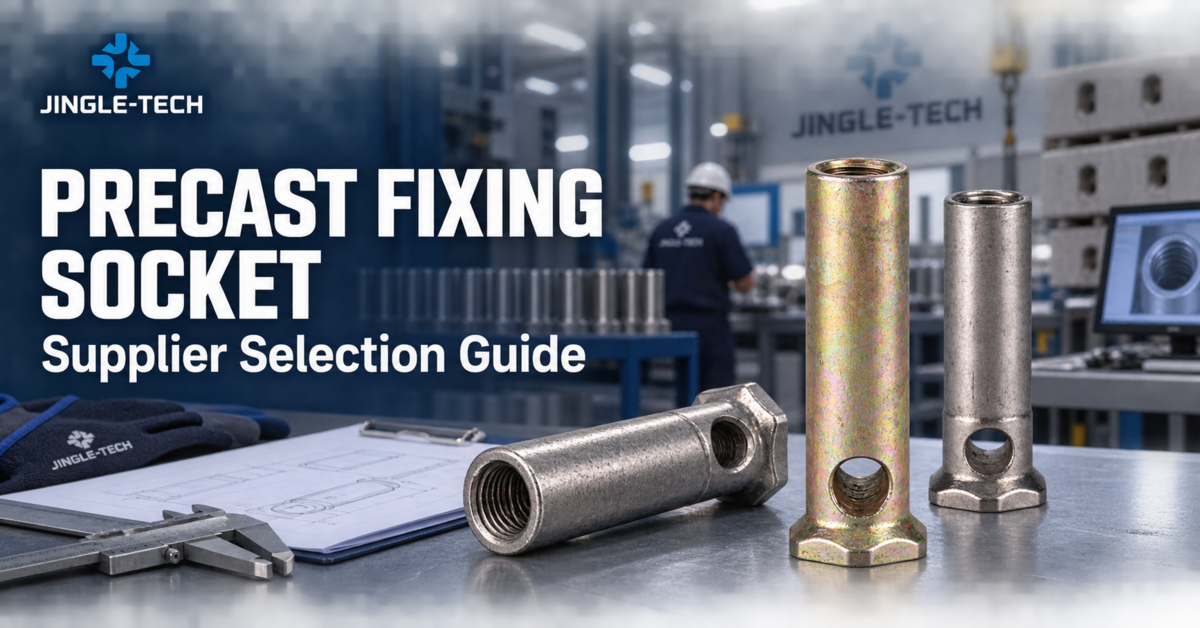
Complementing the precast fixing system is the socket system precast, which facilitates quick and secure alignments during assembly. This innovative socket system precast uses recessed sockets in the concrete to accept corresponding pins or fixings, allowing for precise positioning and easy adjustments. In large-scale projects, the socket system precast significantly speeds up the erection process, as workers can align and lock components with minimal tools. It's particularly beneficial in seismic zones, where the system's ability to absorb movements without failure adds an extra layer of safety. Unlike traditional methods that rely on welding or adhesives, the socket system precast promotes reusability and adaptability, aligning with sustainable building practices. Engineers appreciate how this system reduces material waste and supports modular construction trends, ultimately leading to more cost-effective outcomes.
Integrating Components for Optimal Performance
When combining the precast fixing system with threaded insert concrete and socket system precast, the result is a highly efficient workflow. These technologies work synergistically to create connections that are both strong and adaptable to various design needs. For instance, in facade systems, threaded inserts secure the panels to the frame, while sockets ensure proper alignment with adjacent units. This integration not only boosts construction speed but also improves quality control, as factory-made components arrive ready for immediate use. Professionals in the field often highlight the reduced risk of alignment issues and the enhanced load distribution provided by such a setup. As the industry shifts towards prefabrication, mastering these systems will be key to staying competitive.
Future Trends and Best Practices
Looking ahead, advancements in the precast fixing system are poised to incorporate smart materials and automation for even greater efficiency. Innovations like corrosion-resistant coatings for threaded insert concrete and self-aligning socket system precast designs are on the horizon, promising longer lifespans and easier maintenance. To implement these effectively, it's advisable to consult with experienced suppliers and conduct thorough testing during the planning stage. By prioritizing quality materials and proper installation techniques, projects can achieve superior results that meet stringent building codes. Embracing these technologies not only enhances project outcomes but also contributes to safer, more sustainable construction environments. In summary, the precast fixing system, bolstered by threaded insert concrete and socket system precast, represents a cornerstone of modern engineering excellence.