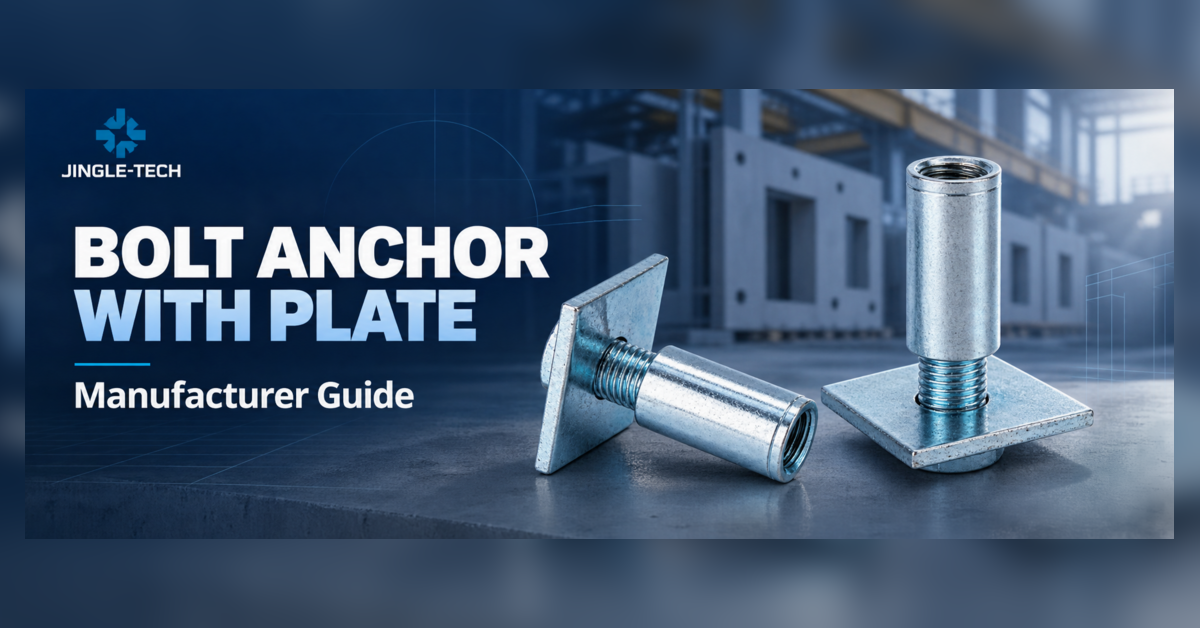
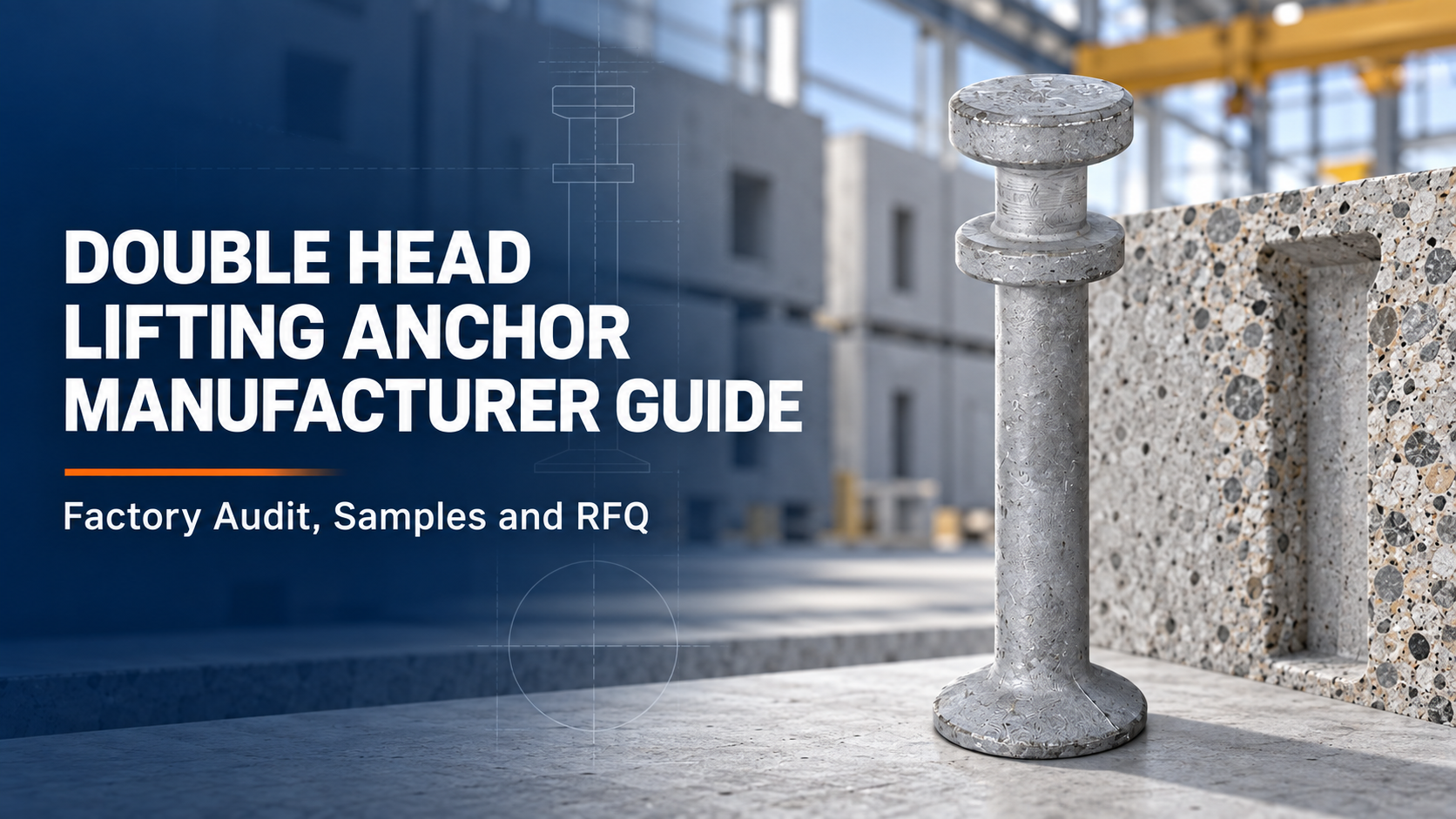
The construction industry heavily relies on precast concrete elements for their efficiency, quality, and speed of erection. These large and heavy components, such as panels, beams, and slabs, are manufactured off-site and then transported to the construction site for installation. A critical aspect of handling these elements safely and efficiently is the use of specialized **precast lifting inserts**. These embedded devices are essential for connecting lifting equipment to the precast units, ensuring secure and controlled movement from the factory to their final placement.
What Are Precast Lifting Inserts?
Precast lifting inserts are engineered steel components that are cast directly into concrete elements during their manufacturing process. They are designed to provide robust and reliable anchor points for various lifting systems. Once the concrete has cured, these inserts become an integral part of the precast unit, ready to accept lifting clutches, hooks, or other connecting hardware. The design of these inserts ensures that the lifting forces are distributed safely within the concrete element, preventing damage to the concrete and ensuring the structural integrity of the lift. There are numerous types of inserts available, each designed for specific load capacities, lifting angles, and types of precast elements.
Diverse Types for Varied Needs
The market offers a wide array of precast lifting inserts to cater to diverse requirements in the precast industry. One common type is the spread anchor, often used with a corresponding lifting clutch, which provides a secure connection for edge lifting or face lifting of panels and slabs. Threaded lifting inserts, or sockets, are another popular choice, allowing for the attachment of threaded lifting loops or bolts; these are versatile and can be used for various applications, including lifting pipes and manholes. For lighter elements or specific applications, wire rope loops or cast-in lifting loops might be employed. Each type of insert is designed with specific load ratings and lifting angle tolerances, which must be strictly adhered to for safe operation. The selection of an appropriate insert depends heavily on the weight and geometry of the precast element, the type of lifting equipment available, and the specific site conditions.
Benefits Beyond Lifting
Utilizing high-quality precast lifting inserts offers numerous advantages beyond the primary function of lifting. The foremost benefit is enhanced safety on the construction site. Properly designed and installed inserts minimize the risk of lifting failures, protecting personnel and preventing costly damage to materials and equipment. Efficiency is another significant plus; these inserts allow for quicker attachment and detachment of lifting gear, speeding up the handling and erection process, which translates to time and labor cost savings. Furthermore, well-chosen inserts contribute to the durability of the precast element by ensuring that lifting stresses are managed appropriately, preventing cracks or spalling around the lifting point. The reliability offered by certified **precast lifting inserts** gives project managers and engineers peace of mind, knowing that a critical part of the construction process is handled with robust and tested components.
Ensuring Safe and Effective Application
Selecting the correct **precast lifting insert** and ensuring its proper use are paramount for safety and efficiency. Key considerations include the calculated load (weight of the precast element plus any dynamic factors), the type of lifting operation (e.g., tilt-up, straight lift), and the concrete strength at the time of the first lift. The material of the insert itself should be compatible with the exposure conditions to prevent corrosion. Proper installation according to the manufacturer's specifications is crucial; this includes ensuring correct embedment depth, positioning, and adequate concrete cover. Regular inspection of both the inserts (if reusable components are involved, like clutches) and the lifting equipment is essential. Workers must be trained on the correct use of the lifting systems associated with the specific inserts, including understanding load limits and permissible lifting angles. Adhering to industry standards and manufacturer guidelines is non-negotiable for any operations involving these critical components, such as **precast lifting inserts**.