Why the railroad bolt spike still matters in track work
A railroad bolt spike is a small component with an outsized job: keeping rail infrastructure clamped, aligned, and serviceable under vibration, load cycling, weather, and maintenance traffic. For engineers and sourcing teams, the challenge is rarely whether the part is simple. It is. The real question is whether the chosen fastener will hold up in the right rail application without creating inspection headaches or maintenance delays.
That is why buyers should treat the railroad bolt spike as more than a commodity line item. In rail systems, a fastening failure can affect alignment, safety margins, and labor cost long before it becomes a visible defect. If you are comparing suppliers, the decision usually comes down to material consistency, geometry, and fit for the specific track assembly rather than a glossy product description.
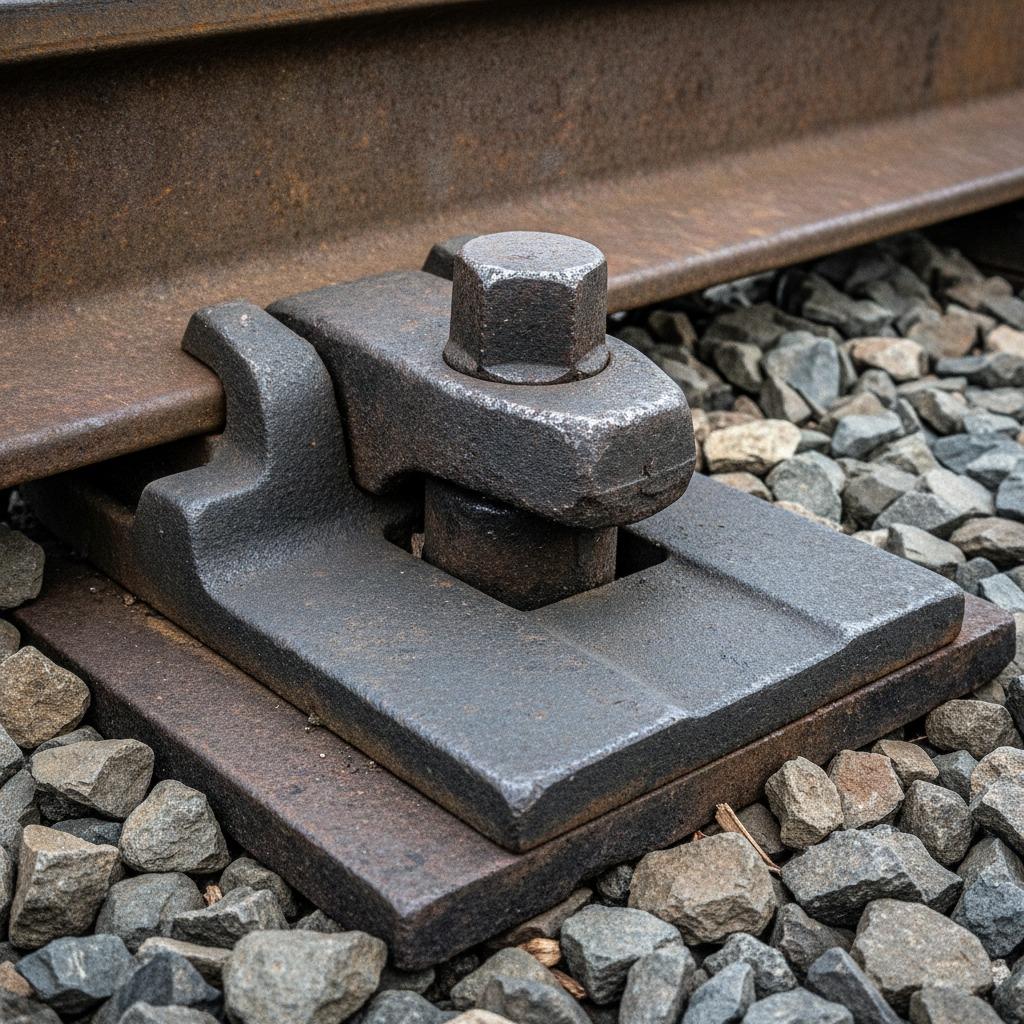
What this fastener does in the field
In practical terms, a railroad bolt spike is used where rail components need a secure mechanical connection that can withstand repeated dynamic loading. Depending on the assembly, it may support fastening of rail hardware, clips, plates, or other track-side components. Unlike consumer-grade fasteners, rail hardware has to work in a harsh environment: grit, moisture, impact, and constant vibration from passing loads.
That combination makes installation quality important. Even a well-made fastener can perform poorly if dimensions are inconsistent or if the head and shank geometry do not match the mating parts. In rail maintenance, a part that “almost fits” is usually a problem waiting to happen.
Key buying factors engineers should check first
If you are sourcing railroad bolt spike parts, start with the basics that affect fit and durability:
First, confirm the required size and thread or drive configuration for the track assembly. Rail hardware is not a place for assumptions, because small dimensional differences can change how the joint behaves under load.
Second, review the material specification. For many rail applications, strength and toughness matter more than appearance. The buyer should ask what base metal is used and whether any heat treatment or surface protection is applied, if those details are relevant to the application.
Third, consider corrosion exposure. Outdoor rail systems see rain, snow, ballast dust, road spray, and seasonal temperature swings. A fastener that performs acceptably in a dry setting may age badly in a wet corridor.
Fourth, look at production consistency. For sourcing managers, lot-to-lot repeatability matters because field crews need parts that install the same way every time. A few off-spec pieces in a shipment can slow an entire maintenance run.
Typical failure points in rail fasteners
Rail projects often run into the same avoidable issues. One is mixed inventory, where similar-looking fasteners are stocked together and used interchangeably. That saves a few minutes in the warehouse and costs many more in the field.
Another is over-focusing on unit price. The cheapest railroad bolt spike can become expensive if it strips during installation, corrodes early, or requires repeat visits. Buyers should calculate total installed cost, not just purchase cost.
A third issue is documentation that is too vague. If a supplier cannot clearly describe dimensions, material basis, or production controls, the risk shifts back to the buyer. In rail procurement, vague specifications are a warning sign.
How to evaluate suppliers without overcomplicating the process
A practical supplier review does not need to be elaborate. Ask for the nominal dimensions, material description, and any applicable quality documentation tied to the lot you would actually receive. If the application is safety-sensitive or part of a regulated rail program, involve the engineering or quality team early rather than after the quote stage.
It also helps to ask about manufacturing capability in plain language. Can the supplier produce repeatable geometry? Do they control head formation and threading, if applicable? Can they support steady volume without changing the product unexpectedly? Those questions tell you more than polished marketing language ever will.
Railroad bolt spike versus generic fasteners
Generic industrial fasteners may look suitable on paper, but rail service is unusually punishing. The right railroad bolt spike is chosen for track duty, not just for basic clamping. That distinction matters because the rail environment is less forgiving of loosening, deformation, and corrosion than many other industrial settings.
A useful rule of thumb: if the component will be inspected, tightened, or replaced on a rail maintenance schedule, it should be selected as part of the rail system, not as a nearby substitute from a general hardware catalog.
Buyer checklist before placing an order
Before you send a purchase order, confirm the following in writing:
the exact part description and intended assembly;
size or dimensional requirements;
material or grade basis;
surface condition or protection, if needed;
packaging and count per shipment;
quality paperwork required for receiving.
That may sound basic, but in rail purchasing the basics prevent the expensive surprises. A part can be technically correct and still be the wrong fit for your maintenance workflow.
FAQ: common questions from procurement teams
Is a railroad bolt spike always the same across rail projects?
No. Even when parts look similar, the rail assembly, load condition, and maintenance practice can call for different dimensions or material choices.
Should price be the main selection factor?
Usually not. Price matters, but poor fit, premature wear, or repeated installation trouble can erase any savings quickly.
What matters most for long service life?
Consistent manufacturing, appropriate material selection, and resistance to the environment where the track actually runs.
What to do next
If you are sourcing railroad bolt spike components now, start by tightening the specification before you compare vendors. A clear requirement sheet makes supplier responses easier to judge and reduces the chance of receiving a part that is nominally correct but practically troublesome. For engineering and procurement teams, that is usually the difference between a clean maintenance job and a return shipment.