What buyers really need from a self drilling screw manufacturer
When engineers or sourcing teams start comparing a Self Drilling Screw Manufacturer, they are usually not just buying a fastener. They are buying consistency in hole formation, thread engagement, coating performance, and installation speed. That matters because a screw that drills poorly can slow the line, strip a substrate, or create a leak path that only shows up after the job is finished. In many assemblies, the fastener is a small part with an outsized role in field reliability.
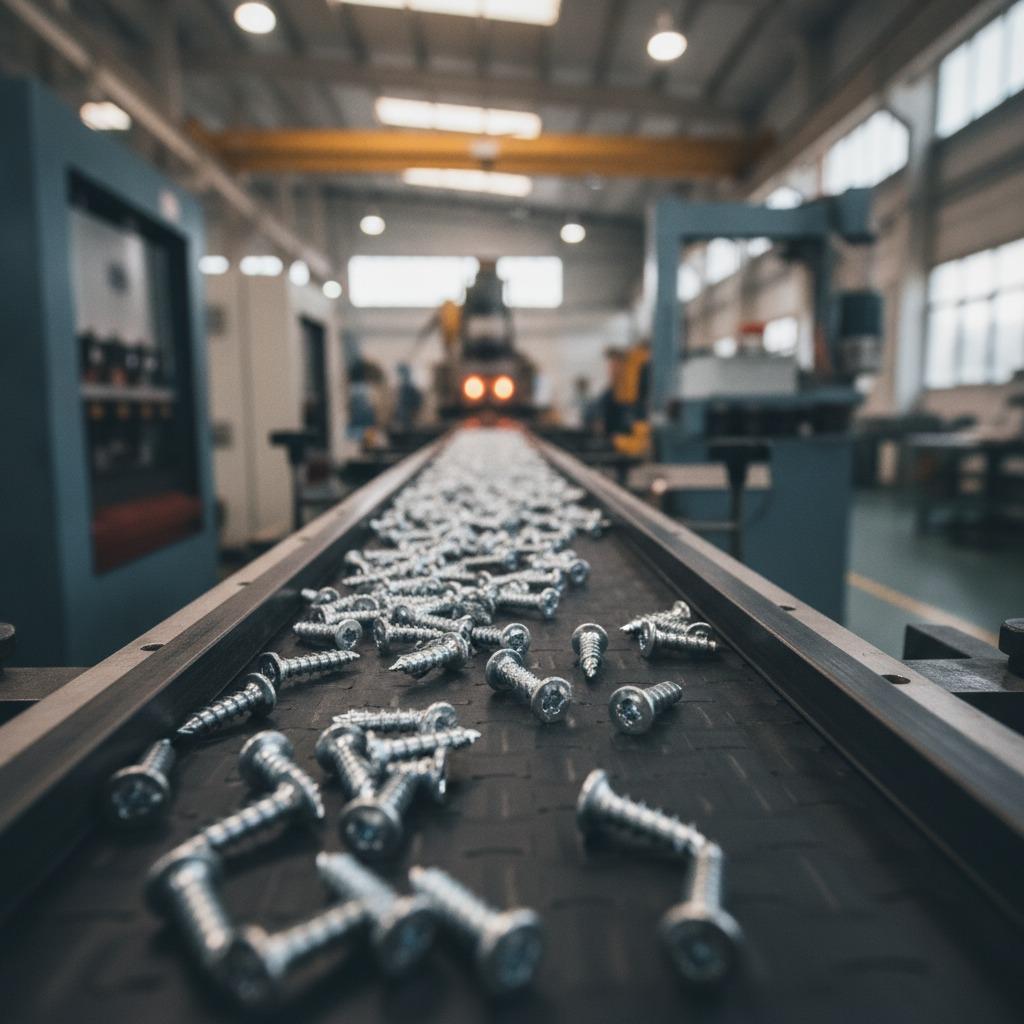
This is why buyers often narrow the search to a manufacturer that understands both the metalworking side and the application side. A fastener for light-gauge steel framing is not the same as one used in exterior roofing, and a general-purpose supplier may not always guide those differences clearly. If you are comparing a Tek Screw Supplier against broader fastener sources, the real question is whether the vendor can support the base material, point style, coating, and drive type your application actually needs.
How self drilling screws differ from standard screws
Self drilling screws combine a drill-shaped point with threading, so they can cut their own pilot hole and then secure the joint in one operation. That sounds simple, but the geometry is doing several jobs at once. The point has to penetrate the base material cleanly. The threads have to bite without excessive torque. The head has to seat properly, especially where washers or sealing features are involved.
For buyers, that means not all self drilling screws are interchangeable. Even a small change in point length or thread profile can affect how the screw performs in steel thickness, wood-backed assemblies, or layered roofing panels. A good manufacturer will usually treat these as application questions, not just catalog questions.
Common product groups buyers compare
General metal framing screws
These are often used in steel-to-steel fastening for framing, brackets, and light structural attachment. The selection usually depends on material thickness, head style, and whether corrosion resistance is needed for indoor or exposed service.
Roofing self drilling screws
A Roofing Self Drilling Screw is typically chosen for panel attachment where weather exposure, sealing, and installation speed all matter. In these jobs, the washer is not a minor accessory. It is part of the sealing system, and the installer needs a screw that seats consistently without overcompressing the washer or deforming the panel.
Specialized coated variants
Some applications call for coated screws for added resistance to corrosion or wear. Buyers should be cautious here: coating language can sound reassuring, but performance depends on the actual environment, substrate, and contact conditions. Exterior use, coastal air, chemical exposure, and dissimilar metals all change the conversation.
What a capable manufacturer should help you evaluate
In practice, sourcing teams should ask for application guidance, not just dimensional data. A serious self drilling screw manufacturer should be able to discuss base material thickness range, drill point behavior, drive compatibility, head style, and coating suitability. If the supplier cannot explain why one screw version is better than another, that is usually a warning sign.
It also helps to look at production discipline. Fastener manufacturing is repetitive by nature, which means variation control matters more than flashy claims. Even small inconsistencies can show up as stripped drives, broken points, or poor seating on the line. Buyers often learn this the hard way when the first shipment is fine and the second behaves differently.
Selection criteria that actually matter
1. Application fit. Start with the joint material, thickness, and environment. A roofing panel, a wall panel, and a steel bracket do not need the same screw.
2. Installation method. Manual installation, cordless drivers, and production tools all impose different torque and seating demands. The screw should work with the equipment you already use.
3. Corrosion exposure. Indoor service and exterior service are not in the same category. Ask what the screw is expected to withstand, not just what it is made from.
4. Drive and head style. These details affect speed, tool wear, and the risk of cam-out. On high-volume jobs, those small differences become real cost items.
5. Supplier communication. If the vendor can discuss the tradeoffs plainly, you are more likely to get a dependable part. If every answer is generic, move carefully.
Common buying mistakes
One frequent mistake is over-specifying a screw without checking whether the application needs that level of performance. Another is under-specifying a screw for outdoor exposure because the initial cost looks better. There is also a habit of treating roofing screws like commodity hardware. In reality, roofing failures often involve the fastener, the washer, or the installation method long before the panel itself is blamed.
It is also worth avoiding a pure price comparison. Fasteners are small, but a low-cost part that damages the substrate or slows installation can be more expensive than the better option. That is especially true in fieldwork, where labor usually outweighs material cost.
Practical buyer advice before you place an order
Ask for technical confirmation on the exact use case, not just a part number. If your project involves exterior panels, confirm the sealing approach. If it involves steel framing, confirm drilling capacity against the metal thickness you are using. If your team works across multiple sites, keep the specification tight enough to avoid substitution drift.
For sourcing managers, a reliable supplier relationship is often built on repeatability rather than promises. For engineers, the value is in knowing the screw will behave the same way on the hundredth installation as it did on the first.
Next step for procurement and engineering teams
If you are evaluating a self drilling screw manufacturer, start with the application, then work backward to the product geometry, coating, and installation method. That approach usually leads to better results than choosing from a broad catalog and hoping the part fits.
For teams comparing a Tek screw supplier or sourcing a roofing self drilling screw, the best next move is to prepare your substrate details, exposure conditions, and installation method before requesting samples or quotations. The more clearly you define the job, the easier it is to separate a competent manufacturer from a generic fastener seller.