Why a square washer supplier matters more than many buyers expect
When engineers search for a Square Washer Supplier, they are usually not shopping for a generic fastener commodity. They are trying to solve a fit problem, a load-distribution problem, or a mounting problem that standard round hardware does not handle cleanly. That distinction matters. A square washer can help resist rotation, spread load over a broader surface, and sit more securely in structural or assembly applications where alignment and contact area are not optional.
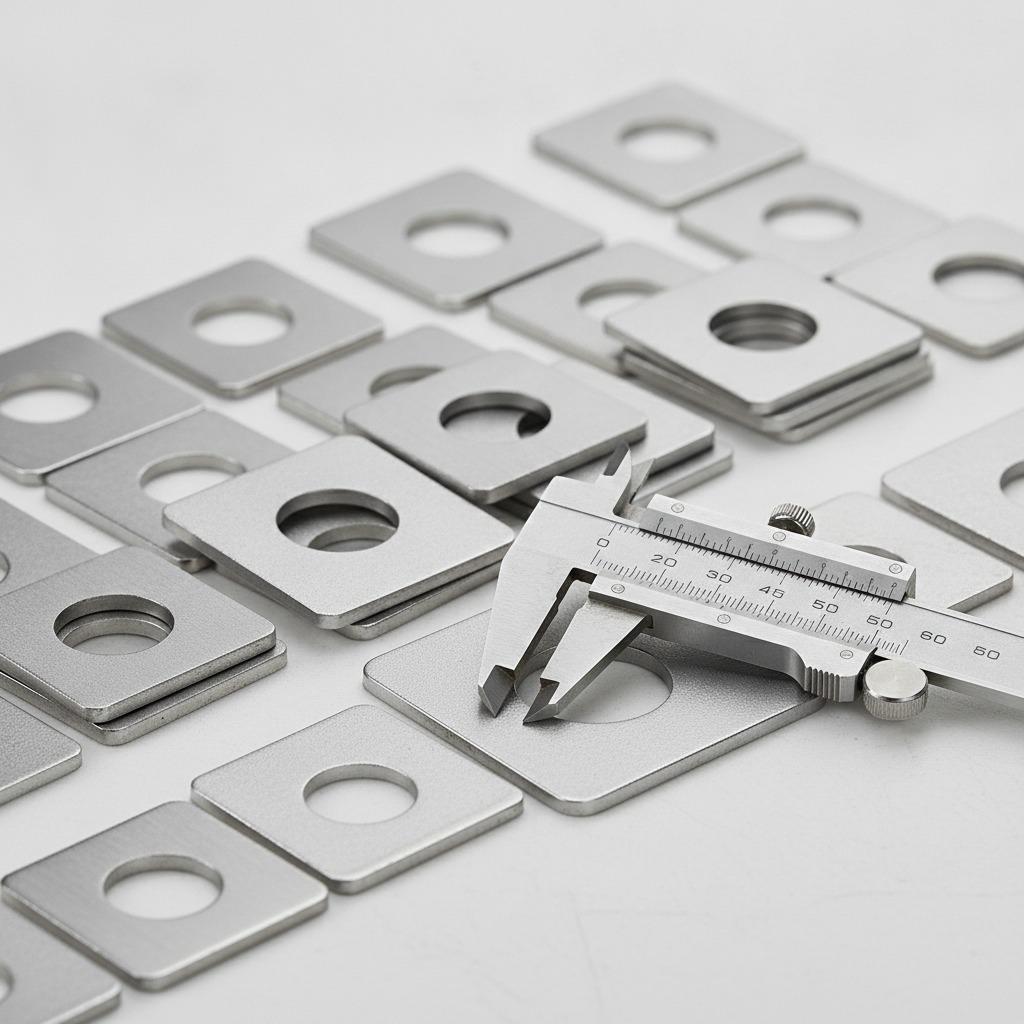
For sourcing managers, the real question is not just “who can sell me washers?” but “who can supply the right shape, material, and consistency without causing downstream assembly issues?” That is where supplier selection becomes practical rather than theoretical. A washer that looks simple on paper can create trouble if hole geometry, material hardness, edge finish, or coating is off by even a little. In production, those little things become scrap, rework, or line stoppages.
Square washer use cases versus round washer options
The square format is often chosen when contact area and anti-rotation behavior matter. Think of timber construction, bracketed assemblies, utility equipment, support structures, and other applications where the washer must bear against a softer or more irregular surface. A Round Washer Manufacturer may be the better fit for some standard fastening jobs, but round washers do not always provide the same surface engagement or visual alignment that square designs offer.
That does not make one shape universally better than the other. It simply means the buying decision should start with the joint requirements. If the assembly sees vibration, uneven surfaces, or localized bearing stress, the washer geometry can influence long-term performance in a way that is easy to miss during prototype builds. Buyers sometimes focus only on bolt size and overlook the interface under the head or nut. That is usually a mistake.
What to check before you source square washers
Good sourcing starts with a few concrete questions. What material is required? What environment will the washer live in? Does the assembly need corrosion resistance, higher strength, or just basic load spreading? Is the washer going into a visible product where appearance matters, or an internal assembly where function is everything? These are not abstract concerns. They determine the washer’s service life and the risk of field complaints.
Material and finish
Common washer materials generally include carbon steel, stainless steel, and other application-specific metals or alloys. The right choice depends on load, exposure, and cost structure. A coated carbon steel washer may be fine in a dry indoor environment, while a more corrosion-resistant option is often safer in outdoor or humid settings. If the application involves chemicals, salt exposure, or repeated temperature swings, the finish deserves extra attention. It is easy to underestimate how fast a low-spec washer can degrade once it leaves a controlled warehouse.
Dimensions and consistency
For procurement teams, the most important thing is not just nominal size but repeatability. Inner hole size, outer dimensions, thickness, flatness, and edge quality all affect assembly behavior. If washers are too loose, they can shift. If they are too tight, operators may struggle during installation. The more automated the line, the less forgiving the tolerances become. Even hand-assembled products benefit from consistency because it reduces operator judgment calls.
Common mistakes buyers make
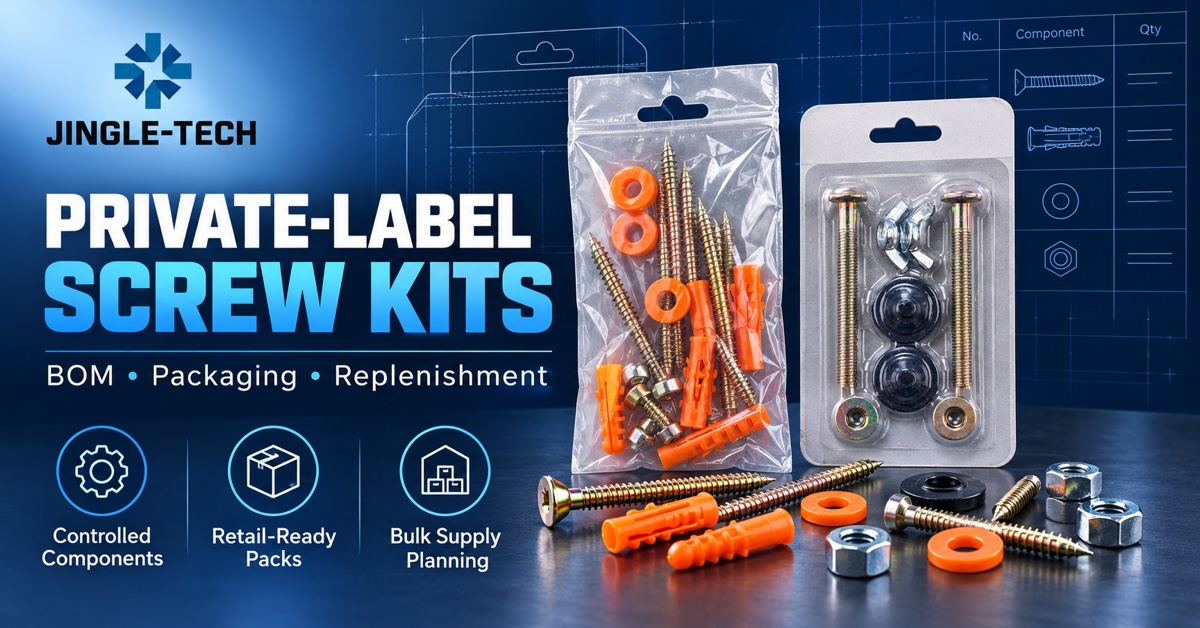
One frequent mistake is buying solely on unit price. A washer that saves a fraction of a cent can become expensive if it slows installation or increases rejection rates. Another is assuming all suppliers can handle the same volume and packaging requirements. Some customers need bulk supply, others need controlled packaging for kitting, and some need traceable lots for internal quality systems. If the supplier cannot match the delivery format, the material may be technically correct but operationally wrong.
Another issue is treating square washers as interchangeable with standard flat washers. They are not always interchangeable in function or fit. The broader contact footprint can be valuable, but it may also change how the load transfers into the substrate. In softer materials, that can be exactly what you want. In some engineered joints, it may require a little testing before full release.
How to evaluate a supplier before placing volume orders
Ask for product specifications in plain terms. Check whether the supplier can document dimensions, material options, and available finishes. If the parts will support a critical assembly, request samples and inspect how they sit in the actual joint, not just on a spec sheet. Production teams should also confirm packaging method, lot identification, and replenishment flexibility. These are boring details until the first shipment arrives mixed, damaged, or labeled in a way your warehouse cannot use.
If you are comparing multiple sources, use the same checklist for each one. That makes differences visible. A supplier with a wider product range may be useful if your program includes other washer types or fastener families. A supplier with narrow specialization may be better if your application depends on a very specific shape or material profile. There is no single best answer; there is only the supplier that fits the product and the factory.
Practical buyer advice for engineering and procurement teams
Start with the joint, not the catalog. Define the load path, the environment, and the installation method before you approve a purchase order. Then ask whether the washer shape is helping the design or simply following habit. Square washers make sense in many assemblies, but only when the geometry earns its place.
If your sourcing plan includes multiple fastener families, it can also help to compare square washers and round washers under the same internal standards. That keeps purchasing decisions grounded in function instead of supplier preference alone. The best suppliers understand that a washer is never just a washer; it is a small component that can carry a disproportionate amount of risk.
Next step
Before committing to volume, request specification details, sample parts, and packaging information from your Square Washer Supplier. A short validation step now is usually cheaper than correcting assembly problems after launch.