What Are Stainless Steel Hose Clamps?
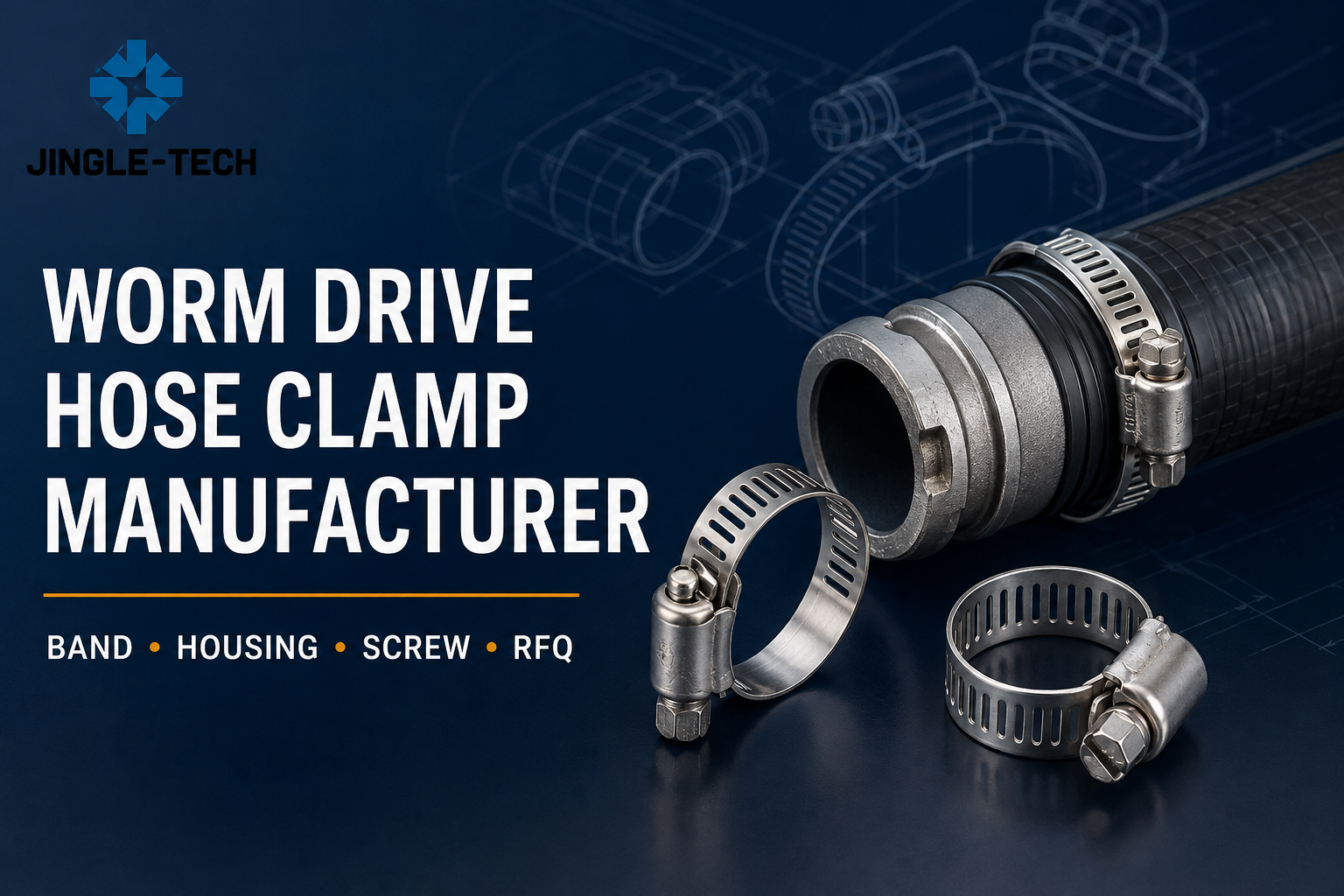
Stainless steel hose clamps are essential tools that blend functionality, durability, and modern design to ensure secure connections across various applications. Crafted from high-grade stainless steel, these clamps offer exceptional resistance to corrosion, rust, and wear, making them ideal for both industrial and DIY projects. Their sleek, polished appearance enhances the aesthetic of any setup while delivering reliable performance.
The perforated band design allows for precise adjustments, accommodating hoses of various sizes with ease. Smooth edges prevent damage to hose materials, ensuring a tight, secure grip without compromising the hose’s integrity. Whether you’re tackling heavy-duty industrial tasks or small-scale home repairs, stainless steel hose clamps provide a perfect balance of strength, adaptability, and style.
Why Choose Stainless Steel Hose Clamps for Reliability?
Stainless steel hose clamps are a top choice for professionals and DIYers in plumbing, automotive, and industrial projects due to their unmatched reliability. Their corrosion-resistant properties ensure long-lasting performance, even in harsh environments with moisture, chemicals, or extreme temperatures. Equipped with a robust screw mechanism, these clamps allow for easy tightening or loosening using standard tools, streamlining installation and adjustments.
Their versatility makes them indispensable across applications, from securing automotive hoses to stabilizing household plumbing systems. The ergonomic design, combined with a minimalist aesthetic, ensures both functionality and visual appeal. Whether you’re handling an emergency repair or a large-scale installation, stainless steel hose clamps deliver efficiency, durability, and a professional finish every time.
Versatile Applications of Stainless Steel Hose Clamps
Stainless steel hose clamps excel in diverse settings, from industrial and automotive environments to household projects. Their robust construction ensures leak-proof connections for hoses and pipes in demanding applications like agricultural systems, automotive repairs, and industrial machinery. For homeowners, these clamps are perfect for fixing garden hoses, securing HVAC ductwork, or addressing plumbing leaks.
Designed for user convenience, these clamps feature smooth edges to prevent hose damage and an ergonomic screw mechanism for effortless adjustments. Their combination of strength and sleek design makes them both a practical and stylish choice. With unmatched resilience and adaptability, stainless steel hose clamps meet the needs of professionals and DIY enthusiasts alike.
Conclusion: The Ultimate Clamping Solution
For those seeking a tool that combines durability, versatility, and modern aesthetics, stainless steel hose clamps are the ideal choice. Their high-quality construction and corrosion-resistant properties ensure reliable performance in plumbing, automotive, and industrial applications. Whether you’re a professional tackling complex installations or a homeowner fixing a garden hose, these clamps deliver secure, efficient, and stylish results.
Invest in stainless steel hose clamps today and experience the confidence of using a product designed for precision, longevity, and style. More than just tools, they are a testament to reliability and innovation for all your clamping needs.