Understanding Threaded Rod Strength: A Comprehensive Guide
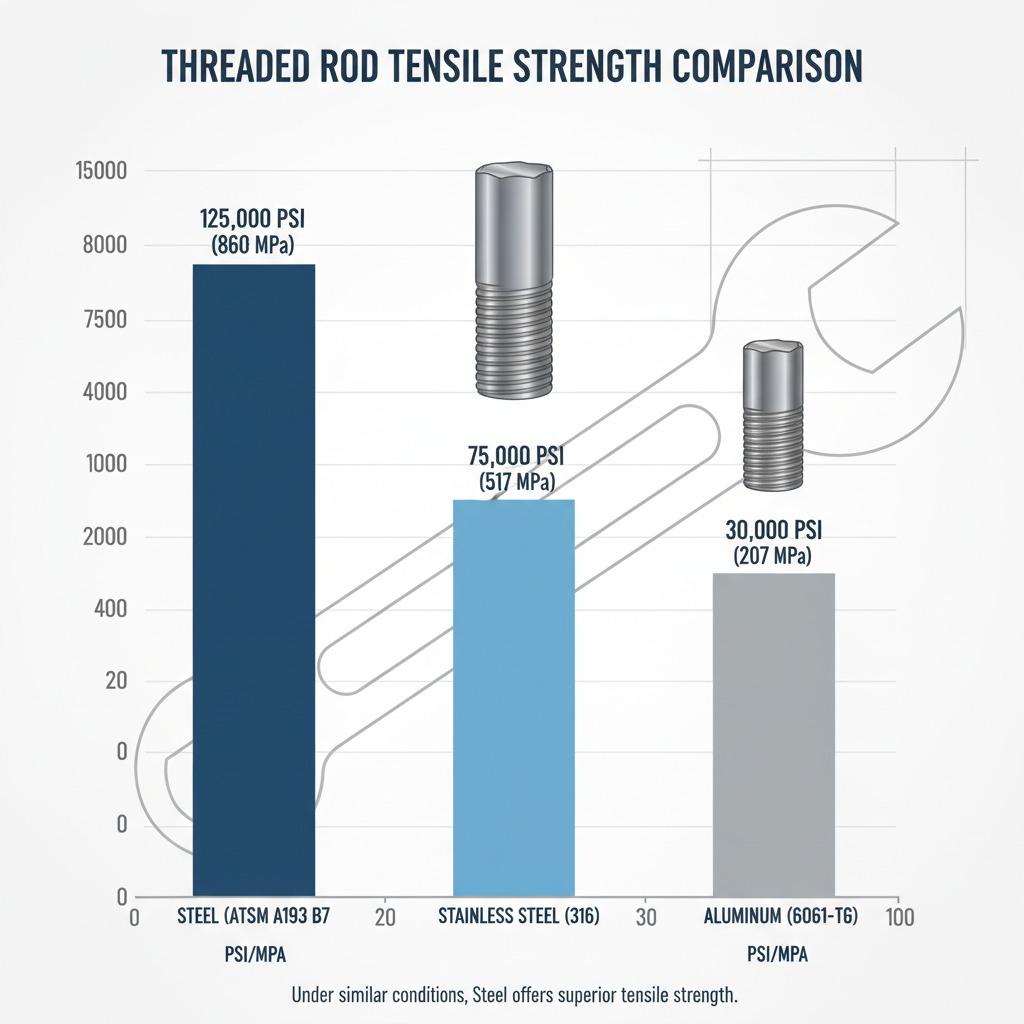
When it comes to construction and engineering projects, threaded rod strength is a critical factor that ensures the safety and reliability of your assemblies. Threaded rods, often used to connect structural elements or secure fixtures, must withstand significant loads without failing. This strength is primarily determined by the material, diameter, and manufacturing quality of the rod. For instance, a high-quality threaded rod can support tensile forces that prevent catastrophic breakdowns in applications ranging from building frameworks to machinery mounts. Understanding threaded rod strength helps engineers and builders select the right product for their specific needs, avoiding underestimation that could lead to structural weaknesses.
Key Factors Influencing Threaded Rod Strength
Several elements contribute to the overall threaded rod strength. The diameter of the rod plays a pivotal role; larger diameters generally offer greater resistance to pulling forces. Material composition is another vital aspect—steel rods, for example, provide superior strength compared to aluminum variants due to their higher yield points. Additionally, the threading process affects performance; coarse threads might be easier to install but could slightly reduce the effective strength in high-stress scenarios. Environmental factors, such as exposure to corrosion or extreme temperatures, can also degrade threaded rod strength over time, emphasizing the need for protective coatings like zinc plating. By evaluating these factors, professionals can optimize their designs for longevity and safety.
The Role of Threaded Rod Grade in Determining Strength
Threaded rod grade is a standardized classification that directly impacts the material's strength properties, making it an essential consideration alongside overall threaded rod strength. Grades such as ASTM A307 or A449 indicate the rod's tensile and yield strengths, with higher grades like Grade 8 offering up to 150,000 psi in tensile strength for demanding applications. For example, a threaded rod grade of B7 is commonly used in high-pressure piping systems because it maintains integrity under elevated temperatures. Selecting the appropriate threaded rod grade ensures compliance with building codes and prevents failures in load-bearing scenarios. It's advisable to consult grade charts to match the rod's capabilities with project requirements, balancing cost and performance effectively.
Applications and Best Practices for Maximizing Strength
In practical applications, threaded rod strength and threaded rod grade come into play in diverse settings, from suspending HVAC systems in commercial buildings to anchoring solar panels outdoors. To maximize strength, always pair the rod with compatible nuts and washers that distribute loads evenly, reducing stress concentrations. Regular inspections for wear or deformation are crucial, especially in dynamic environments where vibrations could compromise integrity. When specifying a threaded rod grade, consider the alloy's machinability and fatigue resistance— for instance, stainless steel grades excel in corrosive settings like marine constructions. By adhering to manufacturer guidelines and industry standards, you can leverage threaded rod strength to build robust, enduring structures that stand the test of time.
Testing and Certification for Reliable Performance
To verify threaded rod strength, rigorous testing methods like tensile pull tests and torque assessments are employed during manufacturing. Certifications from bodies such as the ASME ensure that rods meet specified threaded rod grade requirements, providing peace of mind for users. In the field, non-destructive testing techniques can monitor ongoing performance without disassembly. Understanding these processes allows for informed decision-making, ensuring that your threaded rod selections contribute to project success without unnecessary risks. Ultimately, prioritizing threaded rod strength through proper grading and maintenance leads to safer, more efficient engineering outcomes.