Top 10 Most Common Screws Used in Construction
When it comes to building sturdy and reliable structures, selecting the right fasteners is crucial. The Top 10 Most Common Screws Used in Construction play a vital role in ensuring everything from framing to finishing holds up under pressure. These screws are designed for specific tasks, offering strength, durability, and ease of installation. Whether you're a professional contractor or a DIY enthusiast, understanding these essentials can make a significant difference in your projects.
Wood Screws: The Foundation of Framing
Wood screws are among the most frequently used in construction, particularly for framing wooden structures. They feature a coarse thread that grips wood fibers tightly, preventing loosening over time. Typically made from steel with a zinc coating for rust resistance, wood screws come in various lengths and gauges to suit different lumber sizes. In residential building, they're indispensable for assembling joists, studs, and beams. Their flat or countersunk heads allow for flush installation, making them ideal for visible surfaces. Without reliable wood screws, the integrity of load-bearing walls could be compromised.
Deck Screws: Perfect for Outdoor Applications
Deck screws are engineered for exterior use, especially in decking projects where exposure to weather is constant. These screws boast corrosion-resistant materials like stainless steel or coated carbon steel, ensuring they withstand moisture and UV rays. With sharp points for easy penetration into treated lumber, deck screws reduce splitting and enhance holding power. They're commonly used to secure deck boards to joists, offering a seamless finish that doesn't require pre-drilling. In coastal or humid areas, opting for marine-grade deck screws can extend the lifespan of outdoor structures significantly.
Drywall Screws: Essential for Interior Finishing
For hanging drywall, nothing beats drywall screws due to their fine threads and bugle heads that dimple the surface without tearing the paper. Available in coarse or fine varieties, they provide a secure hold in gypsum board while allowing quick installation with power tools. Phosphor-coated for reduced friction, these screws are a staple in interior construction, from residential homes to commercial spaces. Their self-tapping design means they can anchor directly into studs, speeding up the taping and mudding process. Proper use ensures smooth walls that stand the test of time.
Concrete Screws: Anchoring into Masonry
Concrete screws, also known as masonry anchors, are designed to bite into solid materials like concrete, brick, or block. Featuring a hex or Phillips head and hardened steel construction, they expand slightly upon installation to create a tight grip. These are crucial for securing fixtures such as shelving, railings, or electrical boxes to foundations. Pre-drilling is often required to avoid cracking, but their high shear strength makes them reliable for heavy loads. In high-rise or basement projects, concrete screws provide the stability needed for safety-critical applications.
Sheet Metal Screws: Versatile for Thin Materials
Sheet metal screws excel in fastening thin metals, plastics, or even wood, thanks to their sharp, self-tapping threads. With options like pan, flat, or truss heads, they offer flexibility for roofing, HVAC installations, and siding. Often zinc-plated for corrosion protection, these screws prevent pull-out in vibrating environments. In construction, they're used to assemble metal framing or attach panels, ensuring airtight seals. Their ability to thread into pre-punched holes saves time and reduces the need for specialized tools.
Lag Screws: Heavy-Duty Structural Fasteners
Lag screws, resembling large bolts, are go-to choices for heavy structural connections, such as attaching ledger boards to houses for decks. Their thick shanks and coarse threads provide exceptional pull-out resistance, often paired with washers for even load distribution. Made from galvanized or stainless steel, they resist outdoor elements effectively. Installation requires pre-drilling to prevent wood splitting, but their robustness makes them indispensable for beams and trusses in timber framing. Properly torqued lag screws can support thousands of pounds, bolstering overall building stability.
Machine Screws: Precision in Mechanical Assemblies
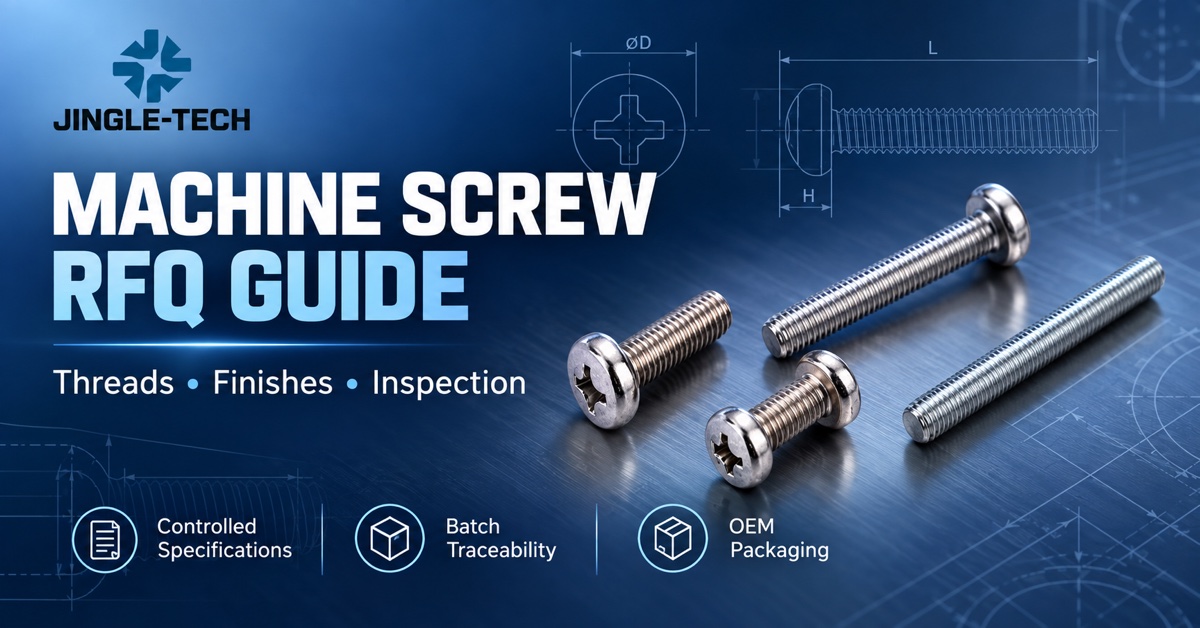
Though less common in rough construction, machine screws are vital for precise mechanical assemblies like cabinetry hardware or machinery mounts. Fully threaded or partially, they pair with nuts for adjustable tension and come in various alloys for specific environments. In construction, they're used in doors, windows, and fixtures where fine adjustments are needed. Their uniform threads ensure consistent performance, making them a reliable choice for finishing touches that require accuracy.
Self-Tapping Screws: Convenience Without Pre-Drilling
Self-tapping screws cut their own threads as they're driven in, eliminating the need for pilot holes in softer materials. Popular in modular construction and trim work, they feature flute designs that remove debris during insertion. Available in multiple head styles, these screws speed up assembly lines and repairs. Their versatility shines in attaching gypsum panels or lightweight partitions, where efficiency is key.
Roofing Screws: Weatherproof Sealing Solutions
Roofing screws are specialized for securing metal roofs and shingles, often with neoprene washers to create watertight seals. Corrosion-resistant and self-drilling, they penetrate without damaging underlayment. In sloped installations, their low-profile heads minimize leak risks. These screws are essential for long-lasting roofs in diverse climates, from rainy regions to arid zones.
Coach Screws: For Large Timber Connections
Coach screws, similar to lag screws but square-headed for wrench use, are ideal for large timber frameworks in barns or pergolas. Their robust design handles shear forces in outdoor settings. Galvanized finishes protect against rust, ensuring durability. In heavy construction, they join posts and rails securely.
In summary, mastering the Top 10 Most Common Screws Used in Construction equips builders with the tools for success across diverse projects. Choosing the appropriate screw not only enhances safety but also extends the longevity of structures, saving time and costs in the long run.