Understanding the Type of Bolt in Fastening Applications
When it comes to construction, manufacturing, and everyday repairs, choosing the right type of bolt is essential for ensuring structural integrity and safety. Bolts are fundamental fasteners that hold components together under tension, and understanding the various types of bolts can make a significant difference in your project's success. From simple DIY tasks to large-scale engineering projects, knowing the type of bolt best suited for your needs helps prevent failures and extends the lifespan of assemblies.
Common Types of Bolts and Their Uses
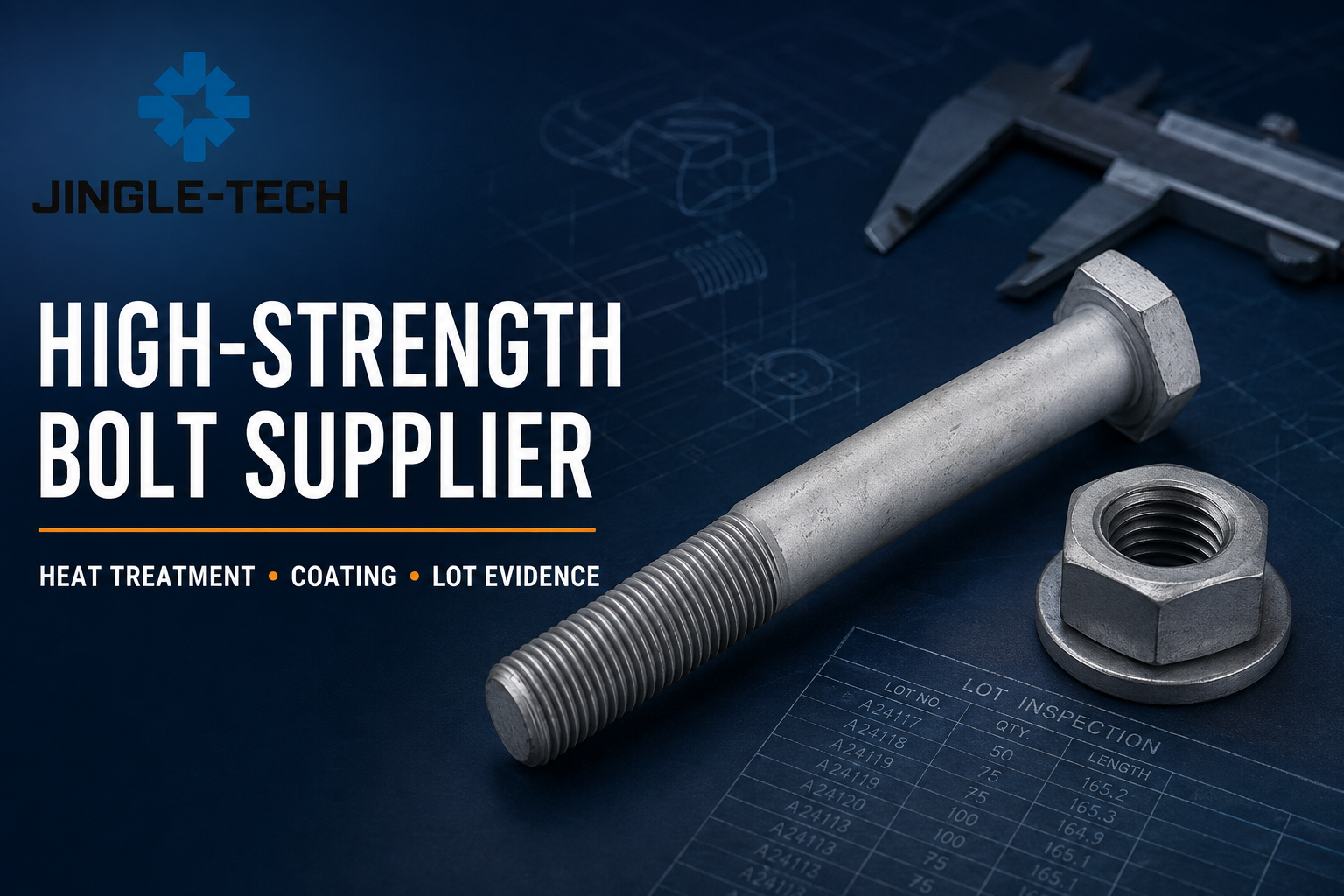
There are numerous types of bolts designed for specific purposes, each with unique features like head shape, thread pattern, and material composition. For instance, hex bolts, also known as hexagon head bolts, are among the most common types of bolts. They feature a six-sided head that allows for easy tightening with a wrench, making them ideal for heavy-duty applications such as machinery and construction frameworks. Another popular type of bolt is the carriage bolt, which has a smooth, rounded head and square neck under it. This design prevents the bolt from turning when nuts are tightened, perfect for woodworking or securing wooden structures like decks and furniture.
Lag bolts, often called lag screws, are heavy-duty fasteners resembling large screws but functioning similarly to bolts. They are typically used to connect wood to wood or wood to metal, providing strong holding power in applications like building pergolas or mounting heavy fixtures. U-bolts, shaped like the letter U, are specialized types of bolts used to secure pipes, conduits, or structural elements around curved surfaces. Their versatility makes them indispensable in automotive and plumbing industries. Meanwhile, eye bolts feature a looped end instead of a traditional head, allowing for ropes or cables to be attached, commonly seen in rigging and suspension systems.
Specialized Types of Bolts for Advanced Needs
Beyond the basics, there are more specialized types of bolts tailored for high-performance environments. Anchor bolts are crucial in construction, embedding into concrete to anchor structures like buildings or machinery to the foundation. They come in variations such as L-shaped or J-shaped to provide stability against uplift forces. For corrosion-resistant needs, stainless steel bolts represent a robust type of bolt, widely used in marine, chemical, and outdoor settings where exposure to moisture or harsh elements is a concern.
Socket cap screws, a precise type of bolt, have a cylindrical head with an internal hex socket for driving, offering a clean, low-profile appearance. They are favored in electronics and machinery assembly due to their strength and tamper-resistant qualities. T-slot bolts, designed for sliding into T-shaped grooves, are essential in modular framing systems like workbenches or conveyor setups, allowing for adjustable positioning. Each type of bolt serves a distinct purpose, and selecting the appropriate one involves considering factors like load-bearing capacity, environmental conditions, and material compatibility.
Key Considerations When Selecting a Type of Bolt
To choose the best type of bolt for your project, evaluate the application's demands. Strength grades, such as Grade 5 or Grade 8 for high-tensile steel bolts, indicate durability levels suitable for automotive or aerospace uses. Length and diameter must match the thickness of the materials being joined to avoid over- or under-tightening. Additionally, coatings like zinc plating can enhance a type of bolt's resistance to rust, extending its usability in damp environments.
In summary, familiarizing yourself with the diverse types of bolts empowers you to make informed decisions, ensuring reliable and efficient fastening solutions. Whether you're a professional engineer or a home enthusiast, the right type of bolt can transform a potential weak point into a secure connection.