What Is an Anchor Bolt and How Does It Work?
An anchor bolt is a mechanical fastener used to secure structural and equipment components to concrete, masonry, or other base materials. If you are asking what is an anchor bolt and how does it work?, the short answer is that it transfers load from a connected part into the substrate so the assembly stays put under gravity, vibration, wind, or machine movement. That sounds simple, but the selection matters more than many buyers expect. Pick the wrong type, and you can end up with loosening, cracking, corrosion, or a base plate that never quite holds alignment.
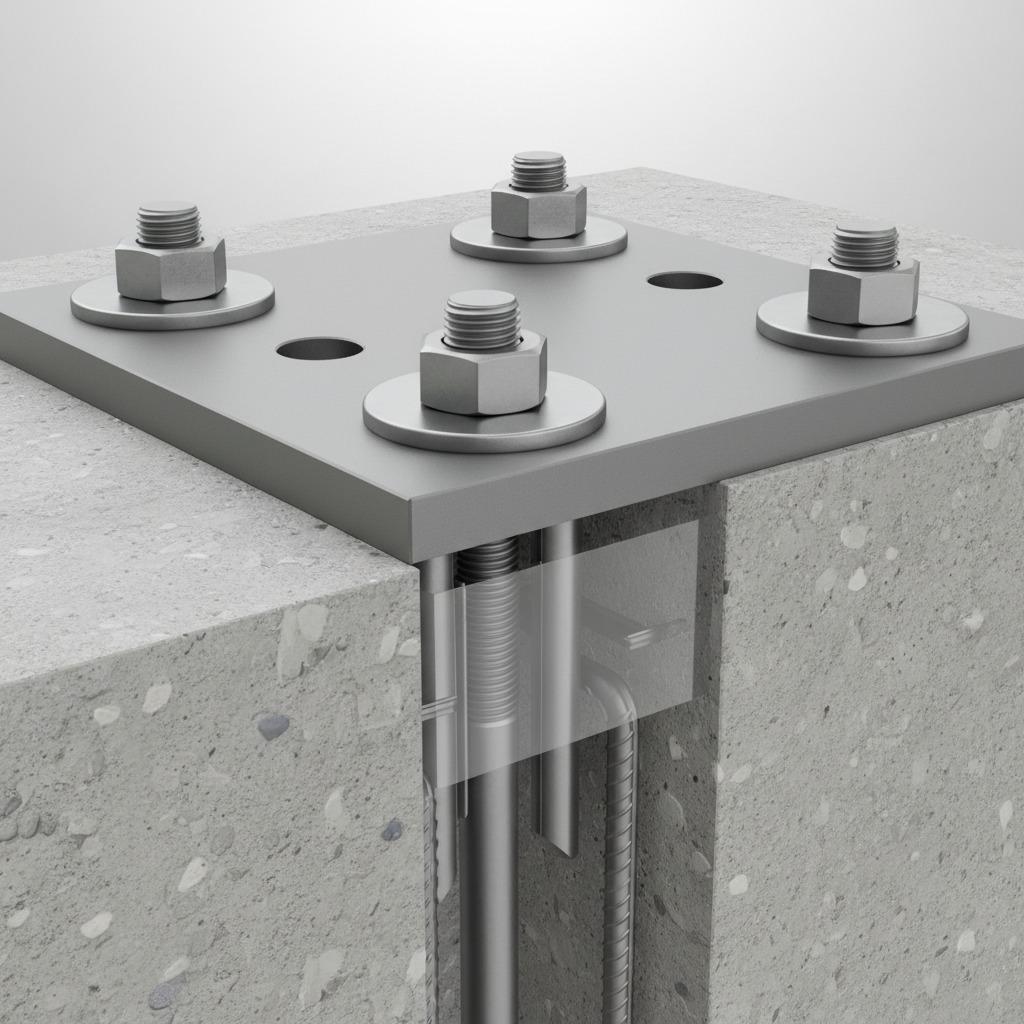
Engineers, sourcing managers, and maintenance teams often run into anchor bolts when a project shifts from design on paper to real installation in concrete. At that point the question is not only what the bolt is, but which style fits the load case, the environment, and the construction sequence. That is where practical differences start to matter.
How an Anchor Bolt Works in Practice
An anchor bolt works by creating resistance between the fastener and the base material. In concrete, that resistance may come from embedment depth, a mechanical expansion feature, a bonded adhesive system, or a cast-in shape such as a hooked or headed end. The connected steel plate or equipment base is clamped down with a nut and washer, and the assembly relies on friction, bearing, and tensile resistance to stay secure.
For heavy equipment, the bolt must do more than “hold.” It needs to manage uplift, shear, and sometimes fatigue from repeated service loads. For that reason, designers often treat anchor bolts as part of a broader connection system rather than a single piece of hardware. The base plate, grout, hole clearance, installation torque, and concrete quality all influence performance.
Main Types Buyers Should Know
Cast-in-place anchor bolts
These are set before concrete cures. They are common in structural steel foundations, columns, and machine bases where the layout is known early. They usually offer strong performance and good predictability, but they require accurate positioning during the pour. That is the trade-off: more planning upfront, less flexibility later.
Post-installed mechanical anchors
These are installed after the concrete hardens. Expansion anchors are one familiar example. They can speed retrofit work and field adjustments, though their suitability depends on the load, concrete condition, and edge distances. In rushed projects, installers sometimes assume one product fits all. It does not.
Chemical or adhesive anchors
These use a resin to bond a threaded rod or rebar into a drilled hole. They are often chosen where high load capacity, reduced expansion force, or close-edge installation is needed. Their performance is sensitive to hole cleaning, curing time, and temperature. A neat-looking install is not proof of a good bond; preparation is.
Selection Criteria That Actually Matter
When deciding on anchor bolts, start with load direction. Tension, shear, and combined loading are not interchangeable. Then look at the base material. Concrete strength, cracking, reinforcement, and thickness all affect performance. Environment is another major factor: outdoor exposure, washdown areas, chemicals, or coastal air can push you toward corrosion-resistant materials and finishes.
Installation method matters as much as the hardware. If the project demands precise alignment for a column base, cast-in-place anchors may be preferable. If the job is a retrofit or equipment replacement, a post-installed solution may be more realistic. Also check whether the application has dynamic loads or vibration. A pump skid is not the same as a static sign base, even if the bolts look similar in the box.
Common Mistakes on the Shop Floor and Jobsite
One of the most common mistakes is underestimating concrete edge distance and embedment requirements. Another is mixing up anchor bolts with ordinary bolts and assuming the same rules apply. They do not. A standard bolt and a structural anchoring system solve different problems.
Bad hole cleaning is a frequent issue with adhesive anchors. So is over-tightening, especially when workers are trying to compensate for a sloppy fit. It may feel secure in the moment, but it can distort the connection or damage the substrate. If the installation is critical, the procedure should be treated as a controlled process, not a generic fastening task.
Quick Buyer Advice
If you are sourcing anchor bolts for a new build, lock in the foundation drawings early and confirm the embedment geometry before procurement. If you are buying for maintenance or retrofit work, verify the base material on site rather than relying on old records. Concrete conditions in the field are often less tidy than the drawings suggest.
For procurement teams, it helps to ask suppliers about material grade, thread length, finish, and whether the product is intended for cast-in, mechanical, or adhesive use. Those details can save a lot of confusion during installation. A fastener that arrives on time but is wrong for the substrate is still a delay.
FAQ: Fast Answers for Project Teams
Are anchor bolts only used in concrete?
They are most commonly used in concrete, but similar anchoring concepts can apply to masonry and other structural substrates depending on the hardware and application.
Can one anchor bolt design handle every job?
No. Load, base material, installation timing, and environment all influence the right choice.
What should I check before ordering?
Confirm the required diameter, length, embedment, material, corrosion exposure, and whether the anchor is cast-in or post-installed.
Next Step
If your team is specifying anchor bolts for a structure, machine base, or retrofit, start with the load case and the substrate condition. Those two details usually narrow the field quickly. From there, compare installation method, corrosion needs, and site tolerance for rework. It is a small component, but it can decide whether the whole assembly stays stable for years or becomes a maintenance problem sooner than anyone planned.