Understanding Your Project Needs
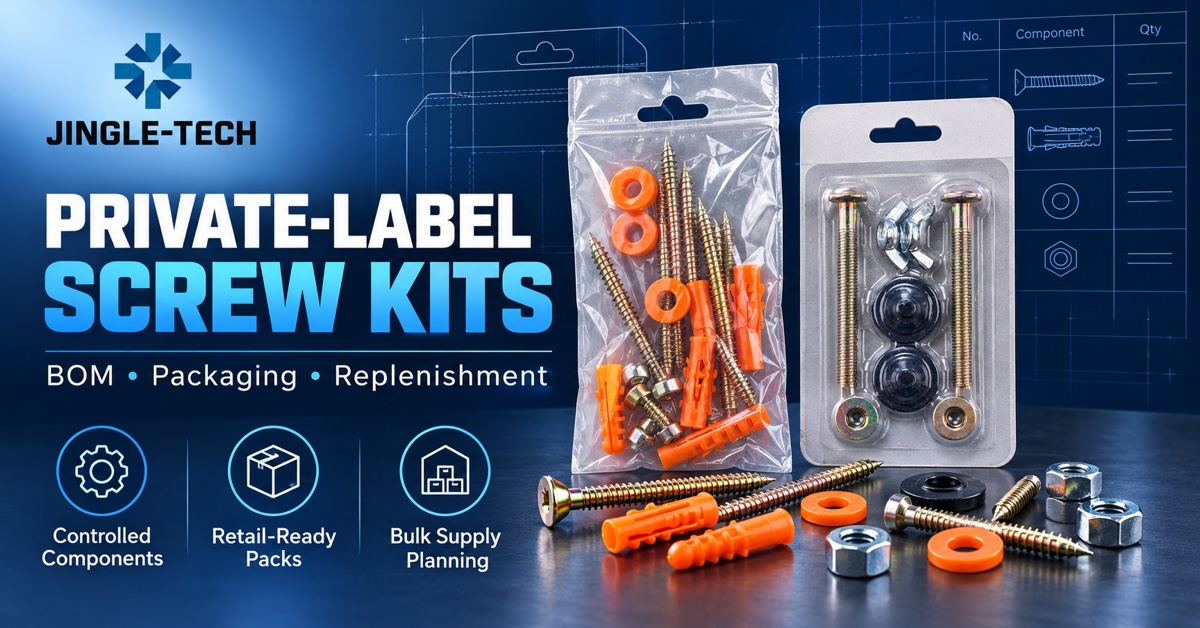
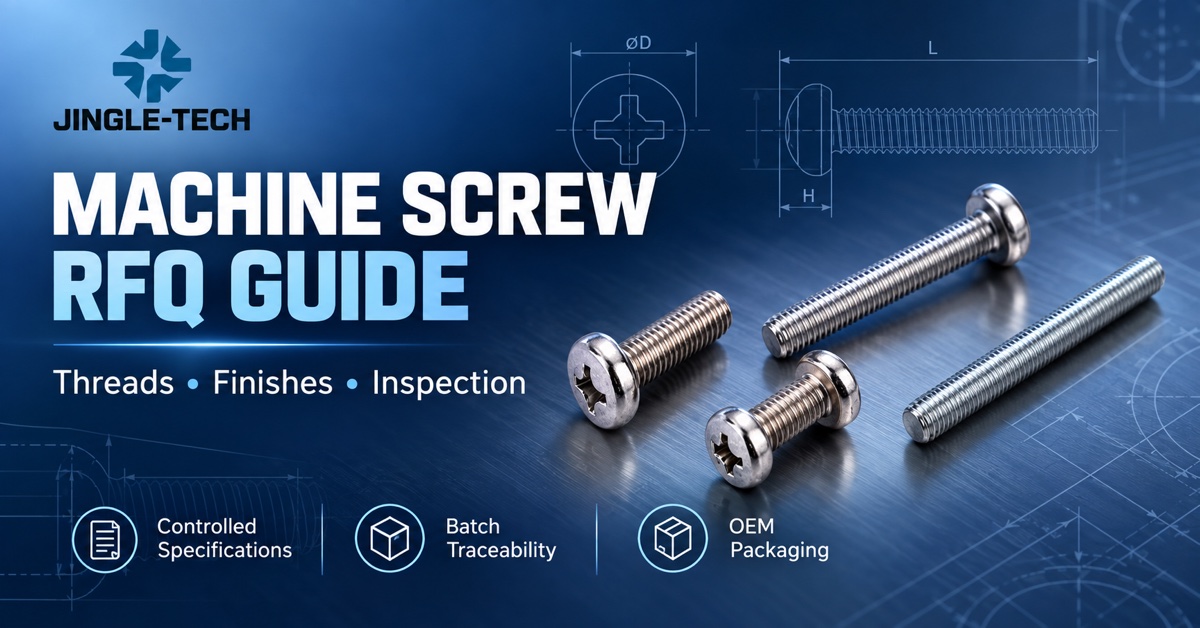
When embarking on any construction or manufacturing project, selecting the right hardware is crucial, and screws are often the unsung heroes holding everything together. What to Look for When Choosing a Screw Supplier starts with a clear understanding of your specific requirements. Consider the type of material your project involves—whether it's wood, metal, or composite—and the environmental conditions it will face, such as exposure to moisture or extreme temperatures. A reliable supplier will offer a diverse range of screws, from wood screws with coarse threads for better grip in soft materials to machine screws designed for precise fastening in machinery. Evaluate the sizes and lengths available; having options ensures you can match the screw to the exact depth and load-bearing needs without compromising structural integrity. Moreover, look for suppliers who provide detailed specifications, including thread pitch and head styles like Phillips or hex, to avoid compatibility issues down the line.
Assessing Quality and Material Standards
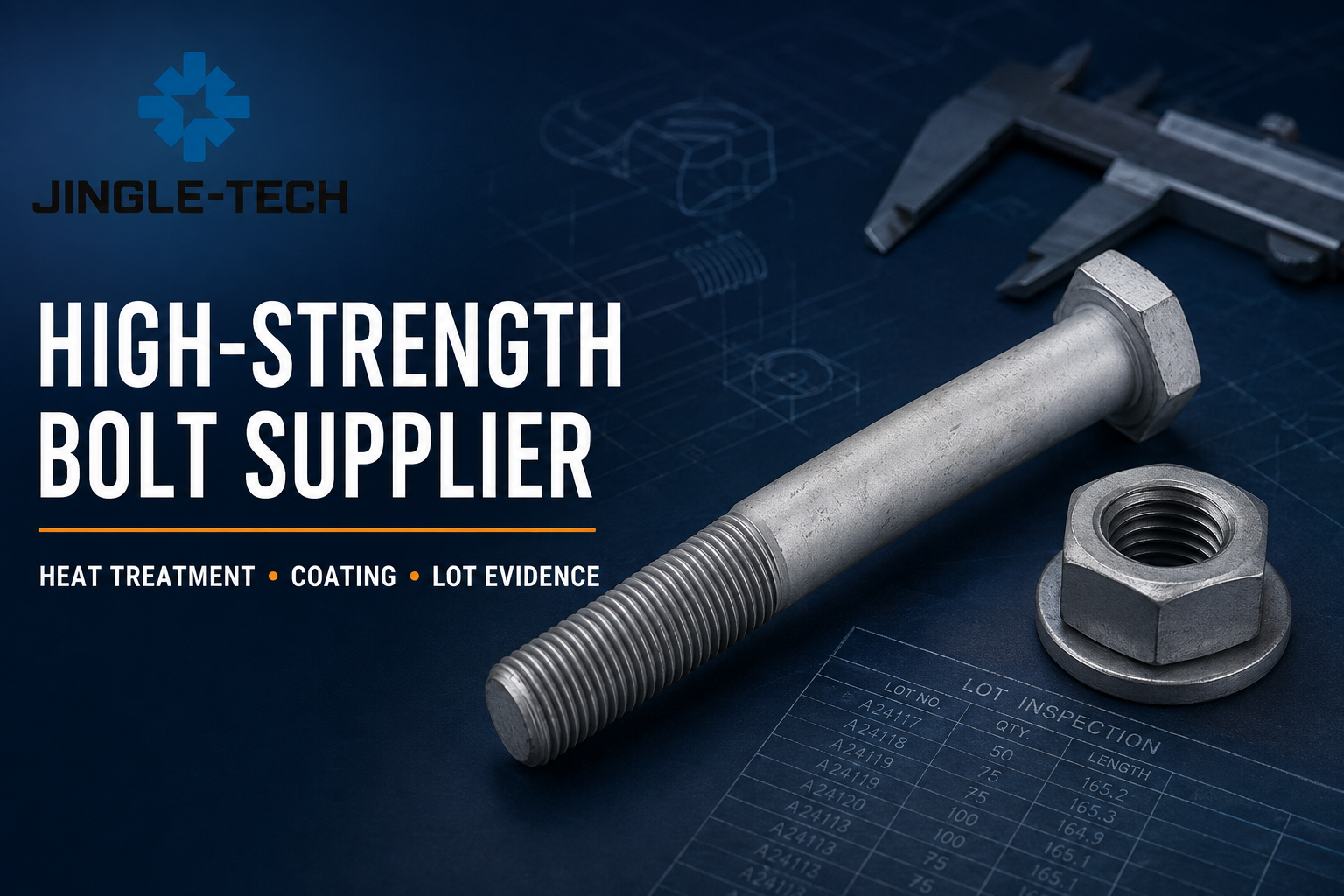
Quality isn't just a buzzword; it's the backbone of durability in any fastening solution. When pondering What to Look for When Choosing a Screw Supplier, prioritize those who adhere to industry standards such as ASTM or ISO certifications. High-quality screws are typically made from robust materials like stainless steel for corrosion resistance or hardened steel for high-strength applications. Inspect for surface finishes—zinc plating or hot-dip galvanizing can extend lifespan in harsh environments. A top-tier supplier will transparently share tensile strength ratings and material compositions, helping you select screws that won't strip or fail under stress. Avoid suppliers who cut corners with inferior alloys that might lead to project delays or safety hazards. Testing samples or requesting third-party verification can give you peace of mind, ensuring your investment in fasteners translates to long-term reliability.
Evaluating Supplier Reliability and Service
Beyond the products themselves, the supplier's operational reliability can make or break your supply chain. Key aspects of What to Look for When Choosing a Screw Supplier include their track record for on-time delivery and inventory availability. Check reviews and testimonials from other businesses to gauge responsiveness—does the supplier offer quick quotes, flexible ordering in bulk or small quantities, and efficient shipping options? Look for those with robust customer support, perhaps including technical advice on screw selection or troubleshooting installation issues. Sustainability is another modern consideration; suppliers committed to eco-friendly sourcing and recycling programs align with responsible business practices. Pricing should be competitive without sacrificing quality—beware of deals that seem too good to be true, as they often signal subpar goods.
Long-Term Partnership Potential
Choosing a screw supplier is more than a one-off transaction; it's about forging a partnership that supports your ongoing needs. Investigate their scalability—can they handle increased volumes as your projects grow? Additional perks like customization services for specialty screws or just-in-time delivery can streamline your operations significantly. In today's digital age, suppliers with user-friendly online catalogs and easy reordering systems add convenience. Ultimately, by focusing on these elements, you'll secure not just screws, but a dependable ally in your pursuit of excellence. With the right choice, your projects will stand strong, screw by screw.