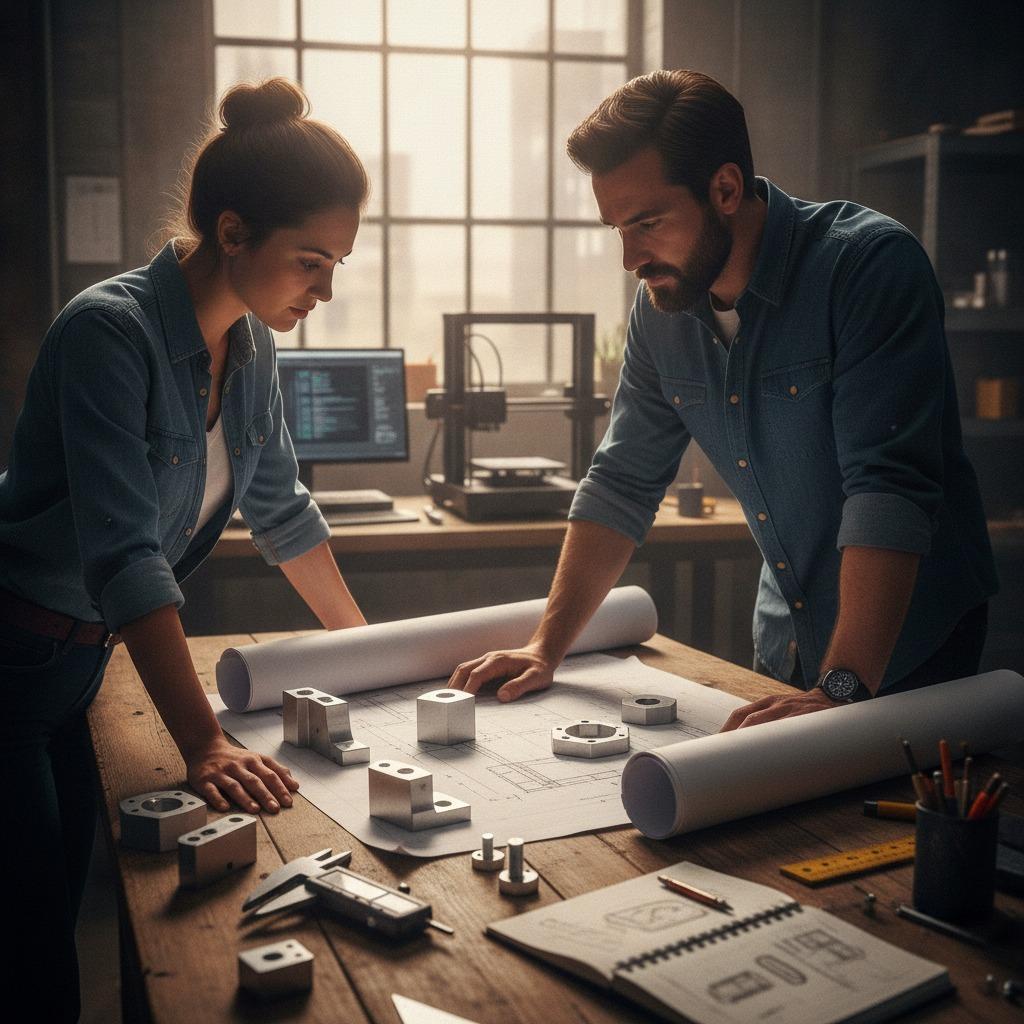
Understanding Custom CNC Machined Fasteners
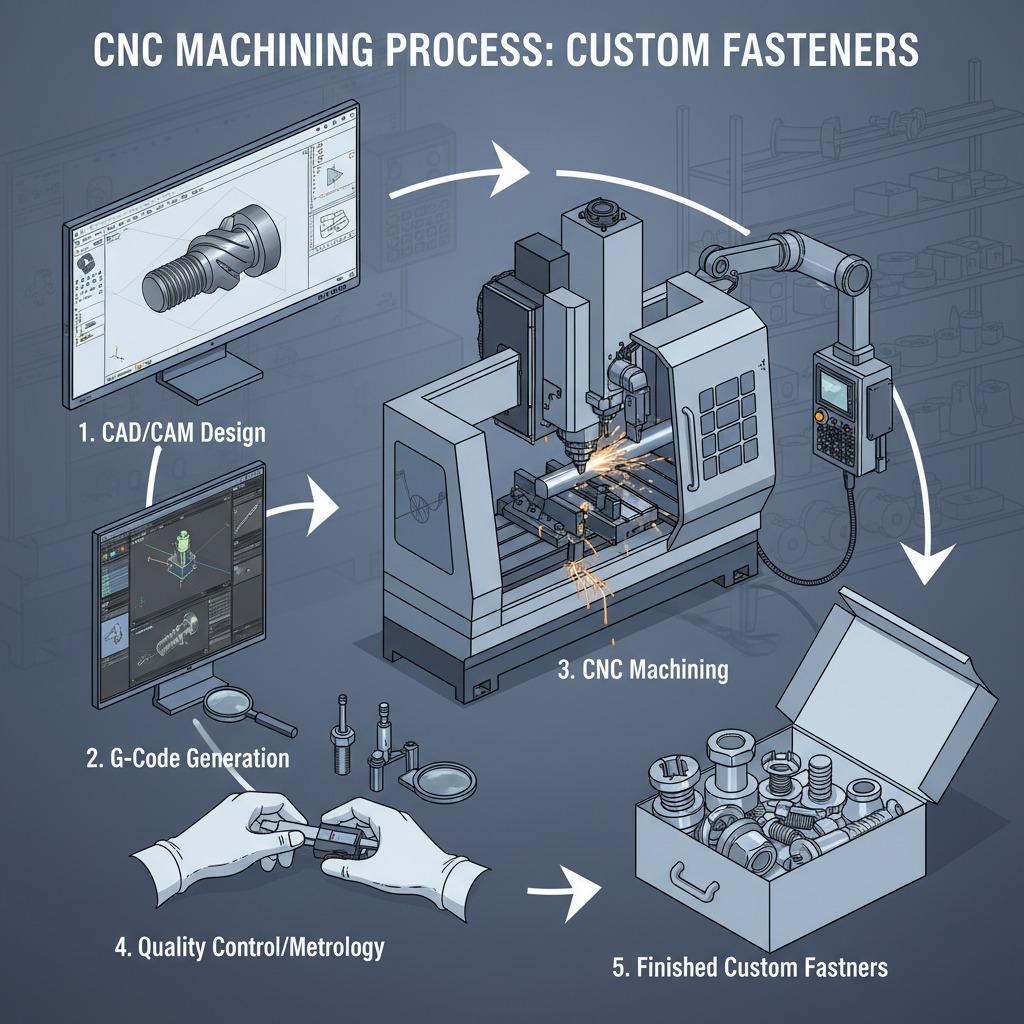
When to Use Custom CNC Machined Fasteners becomes a critical consideration in precision engineering projects where standard options fall short. Custom CNC machined fasteners are specialized components produced using computer numerical control (CNC) machining, allowing for exact specifications in size, shape, material, and tolerances. These fasteners, such as screws, bolts, nuts, and washers, are tailored to meet unique requirements that off-the-shelf products cannot fulfill. Industries like aerospace, automotive, medical devices, and electronics often turn to them for their reliability and performance in demanding environments.
Key Scenarios for Utilizing Custom CNC Machined Fasteners
One primary situation for employing When to Use Custom CNC Machined Fasteners is in applications requiring non-standard dimensions. For instance, if a project involves tight spaces or unusual thread patterns, standard fasteners might not fit or could compromise structural integrity. CNC machining enables the creation of parts with micron-level precision, ensuring seamless integration into assemblies. Another scenario arises in high-stress conditions, such as in aircraft components where vibration resistance is essential. Materials like titanium or high-strength alloys can be machined to custom specifications, providing superior durability over generic alternatives. Additionally, in prototyping phases, engineers use these fasteners to test designs without the constraints of mass-produced parts, accelerating innovation and reducing time to market.
Advantages in Material and Environmental Adaptability
Custom CNC machined fasteners shine in environments demanding specific material properties. When to Use Custom CNC Machined Fasteners is particularly relevant for corrosion-prone settings, like marine or chemical processing industries, where stainless steel or exotic alloys are machined to resist degradation. This customization minimizes failures and extends equipment lifespan. In medical applications, biocompatibility is paramount; custom fasteners from biocompatible materials ensure safety in implants or surgical tools. Moreover, for electronics, where miniaturization is key, CNC processes allow for tiny, intricate fasteners that maintain electrical conductivity without interference. By choosing custom options, manufacturers avoid the pitfalls of adapting standard parts, which might lead to inefficiencies or safety issues.
Cost and Efficiency Considerations
Deciding When to Use Custom CNC Machined Fasteners also involves weighing costs against benefits. While initial production may seem higher due to setup and machining time, the long-term savings from reduced rework and enhanced performance often justify the investment. For low-volume runs or highly specialized needs, custom machining is more economical than modifying standards. Modern CNC technology further optimizes this by enabling rapid prototyping and iterative improvements. In summary, opting for custom fasteners is advisable whenever precision, durability, or uniqueness is non-negotiable, ensuring projects meet exacting standards and deliver optimal results.