Worm Gear Hose Clamp vs Spring Clamp
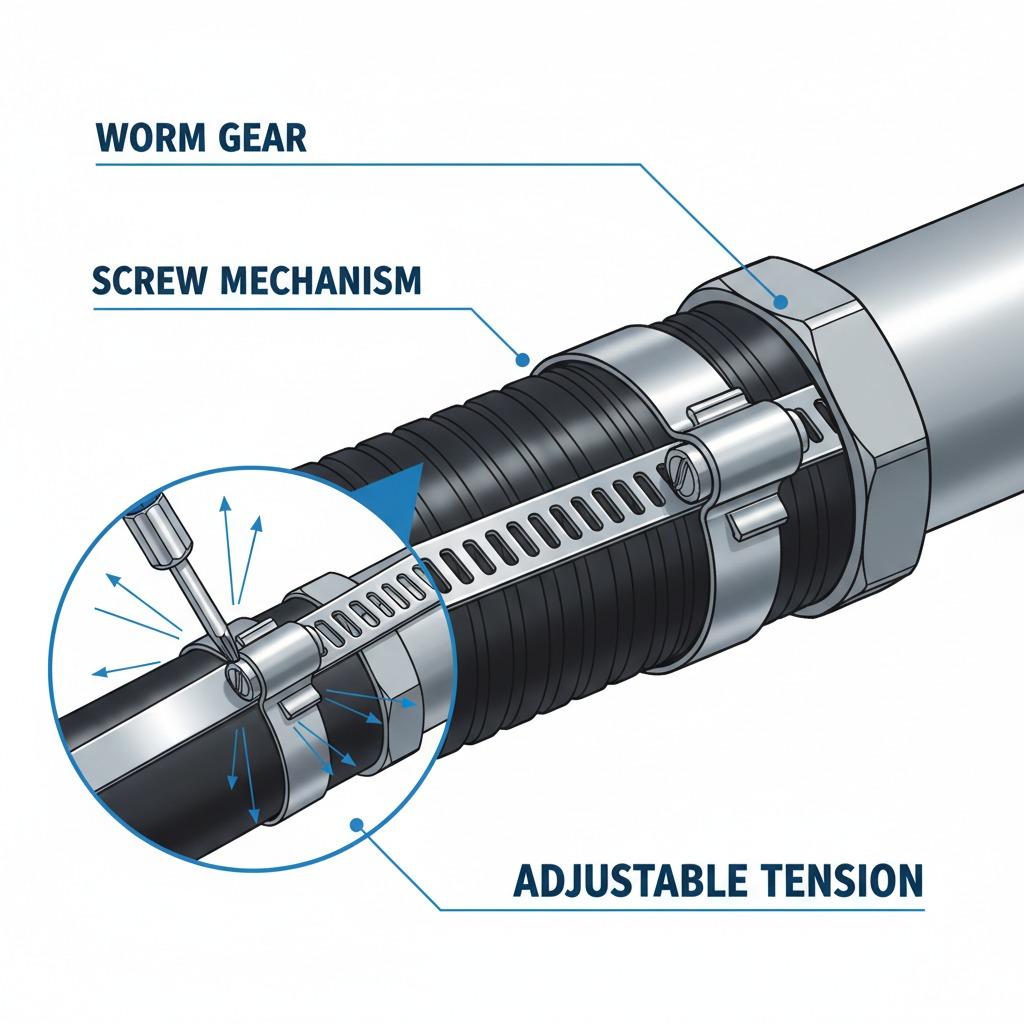
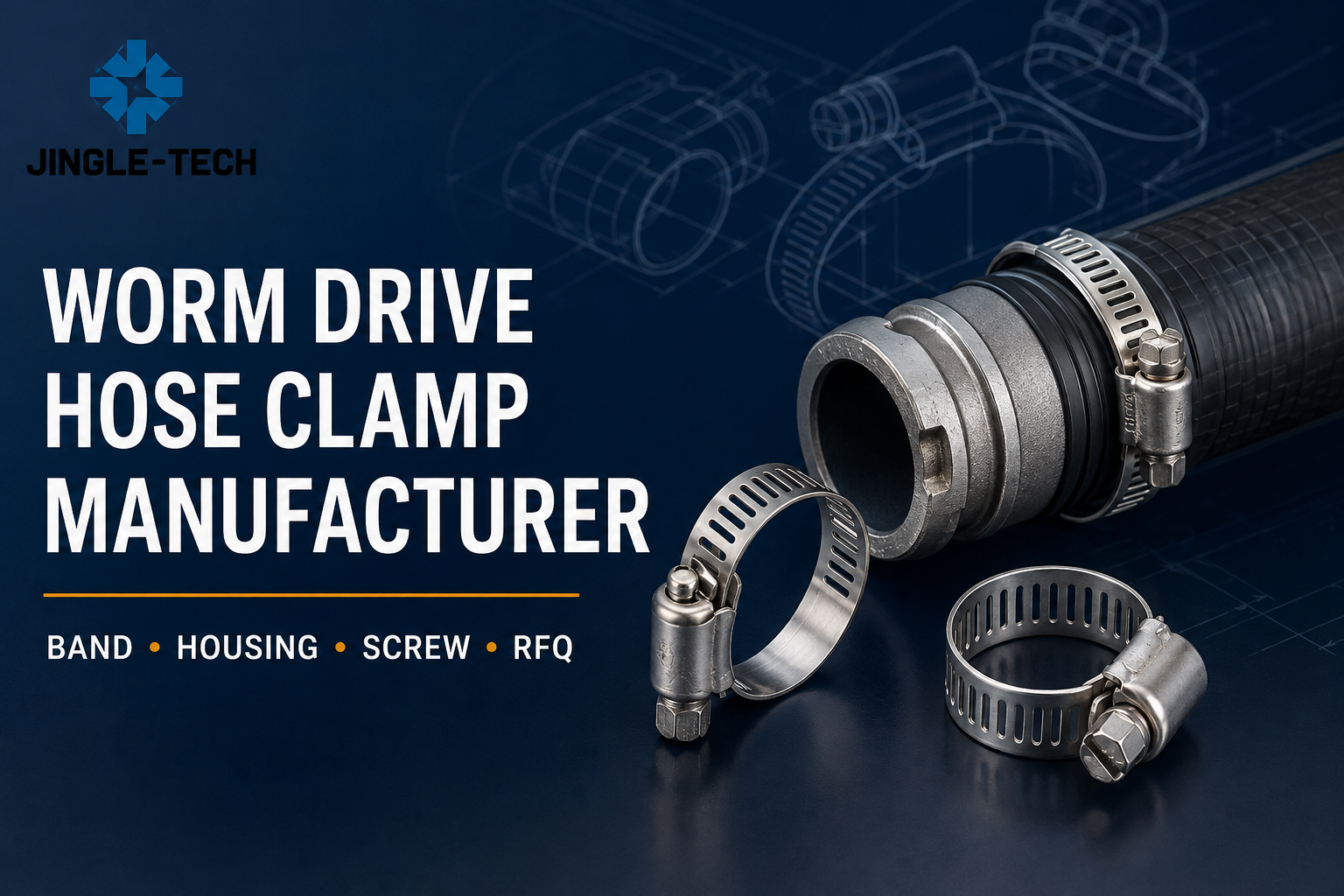
When it comes to securing hoses in automotive, plumbing, or industrial applications, choosing the right clamp is essential for safety and performance. The Worm Gear Hose Clamp vs Spring Clamp debate often arises among DIY enthusiasts and professionals alike, as both types serve similar purposes but differ significantly in design and functionality. A worm gear hose clamp, also known as a worm drive clamp, features a slotted band with a screw mechanism that tightens via a worm gear, allowing for adjustable tension. In contrast, a spring clamp relies on a pre-formed spring steel band that applies constant pressure without the need for tools. Understanding these differences can help you select the ideal option for your specific needs.
Design and Mechanism of Worm Gear Hose Clamps
Worm gear hose clamps are renowned for their versatility and strength. Constructed from durable materials like stainless steel or galvanized steel, they consist of a flexible band with perforations that engage with a worm screw. By turning the screw—typically with a screwdriver or socket wrench—you can precisely adjust the diameter, making them suitable for a wide range of hose sizes. This adjustability is a key advantage in applications where hoses may expand or contract due to temperature changes or pressure variations. For instance, in automotive cooling systems, a worm gear clamp ensures a secure, customizable fit around radiator hoses, preventing leaks under high engine temperatures. However, their installation requires tools, and over-tightening can sometimes damage softer hoses. Despite this, their robustness makes them a staple in heavy-duty scenarios, such as marine or agricultural equipment, where reliability is paramount.
How Spring Clamps Work and Their Benefits
Spring clamps, on the other hand, offer a simpler, tool-free alternative. Made from spring-tempered steel, these clamps are formed into a circular shape that naturally contracts to grip the hose. They are typically sized for specific diameters and apply uniform pressure through their inherent elasticity, which compensates for minor vibrations or thermal expansions. This constant tension is particularly beneficial in dynamic environments like exhaust systems or fuel lines, where maintaining a consistent seal without manual adjustment is crucial. Spring clamps are quick to install—just slip them over the hose and compress if needed—and they resist loosening over time, reducing the risk of failures in high-vibration settings. However, their fixed size limits versatility; if the hose diameter changes significantly, a new clamp may be required. They're also less ideal for very large hoses, as the spring force diminishes with size.
Comparing Performance, Applications, and Cost
In the Worm Gear Hose Clamp vs Spring Clamp comparison, performance hinges on the application's demands. Worm gear clamps excel in scenarios requiring precise control and higher torque, such as industrial piping or heavy machinery, where they can handle pressures up to 100 psi or more depending on the model. They are more resistant to corrosion when made from quality materials, offering longevity in harsh environments. Spring clamps, conversely, shine in quick-assembly tasks like small engine repairs or household plumbing, providing reliable sealing without added complexity. Cost-wise, spring clamps are generally cheaper and disposable, while worm gear types, though pricier upfront, provide reusable value. Environmental factors play a role too—spring clamps may fatigue faster in extreme cold, whereas worm gears maintain integrity across temperatures from -40°F to 300°F.
Ultimately, the choice between a worm gear hose clamp and a spring clamp depends on factors like adjustability needs, installation ease, and operational conditions. For projects demanding customization and strength, worm gear clamps are superior. For fast, vibration-resistant fixes, spring clamps are unbeatable. By evaluating these aspects, you can ensure optimal hose security and avoid costly leaks or failures in your setups.