Choosing the Right Railway Fastener Supplier for Your Projects
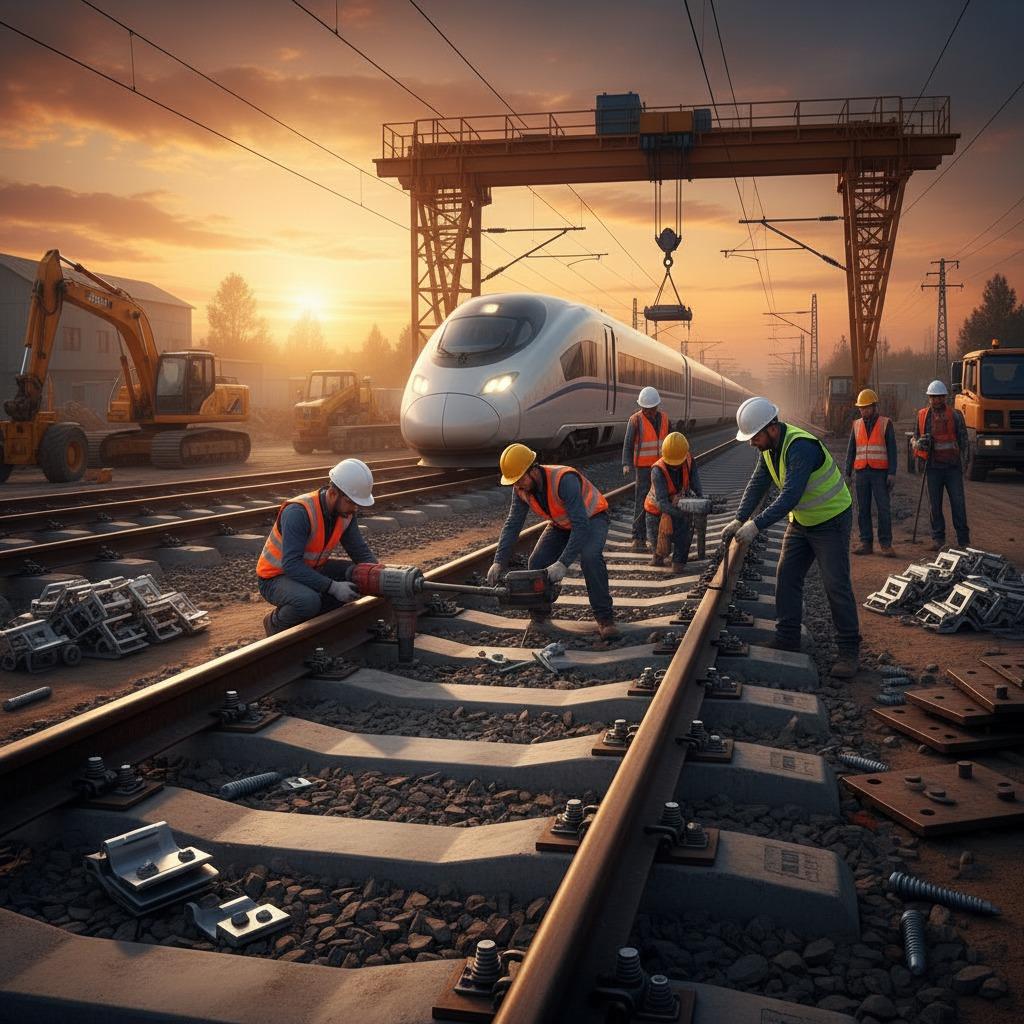
In the world of rail infrastructure, selecting a reliable railway fastener supplier is crucial for ensuring safety, durability, and efficiency. As a leading railway fastener supplier, we understand the demands of modern rail systems and provide high-quality components that meet international standards. Whether you're involved in high-speed rail construction or maintenance projects, partnering with a trusted supplier can make all the difference in project success.
Understanding the Role of Railway Fasteners
Railway fasteners are essential components that secure rails to sleepers, maintaining track alignment and stability under heavy loads and varying conditions. These include clips, bolts, screws, and baseplates, each designed to withstand extreme weather, vibrations, and traffic. A reputable railway fastener supplier offers a diverse range of products, from traditional iron fastenings to innovative polymer-based solutions, ensuring compatibility with different track gauges and sleeper types. By sourcing from a specialized supplier, you gain access to materials that enhance track longevity and reduce downtime, ultimately lowering operational costs for rail operators worldwide.
Key Qualities of a Top-Tier Railway Fastener Supplier
When evaluating a railway fastener supplier, prioritize those with certifications like ISO 9001 and compliance with standards from bodies such as the International Union of Railways (UIC). Look for suppliers who emphasize quality control, using advanced manufacturing techniques like cold forging and heat treatment to produce fasteners with superior tensile strength and corrosion resistance. Additionally, a good supplier provides customized solutions, such as anti-vibration designs for urban transit systems or heavy-duty options for freight lines. Our experience as a railway fastener supplier has shown that timely delivery and technical support are equally important, helping clients navigate complex installations and regulatory requirements seamlessly.
Benefits of Partnering with an Experienced Railway Fastener Supplier
Collaborating with a dedicated railway fastener supplier brings numerous advantages, including cost savings through bulk procurement and reduced waste from precise inventory management. Suppliers often offer value-added services like on-site testing, failure analysis, and eco-friendly options to support sustainable rail development. In today's competitive market, choosing a supplier with a global supply chain ensures uninterrupted access to premium fasteners, even during peak demand. For instance, innovations in fastening systems can improve noise reduction and energy efficiency, contributing to greener transportation networks. As your go-to railway fastener supplier, we commit to fostering long-term partnerships that drive innovation and reliability in every project.
Future Trends in Railway Fastening Technology
The railway industry is evolving, and so are the solutions from forward-thinking railway fastener suppliers. Emerging trends include smart fasteners with embedded sensors for real-time monitoring of track conditions, enhancing predictive maintenance capabilities. Additionally, the shift towards lightweight, recyclable materials addresses environmental concerns while maintaining performance. Suppliers investing in R&D are at the forefront, developing systems that support higher speeds and increased axle loads. By staying ahead of these trends, a reliable railway fastener supplier ensures your infrastructure is future-proof, ready for the demands of tomorrow's rail networks.
In summary, a dependable railway fastener supplier is more than a vendor—it's a strategic ally in building resilient rail systems. With our expertise, we help you achieve optimal performance and safety across all your rail endeavors.