


Understanding USS Flat Washers: Essential Components for Secure Fastening
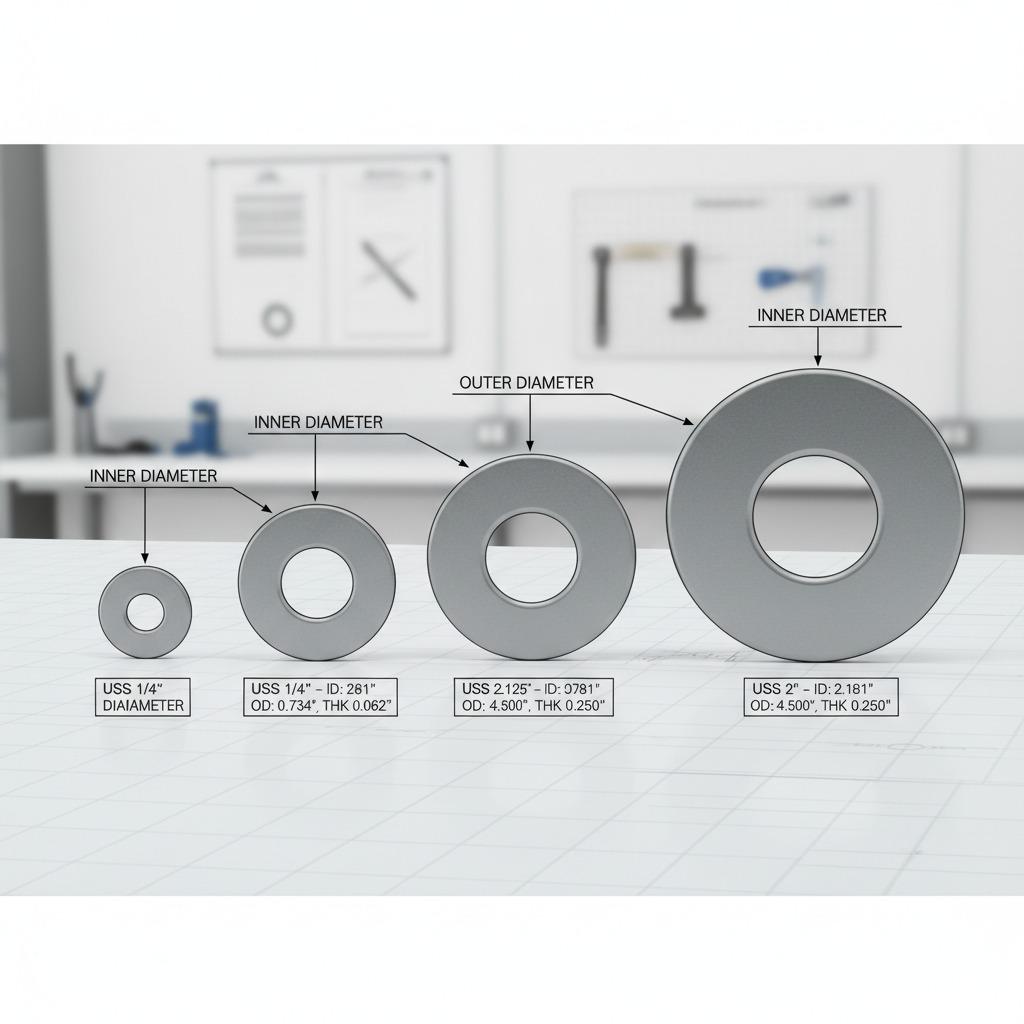
USS Flat Washers are fundamental hardware items widely used in construction, manufacturing, and mechanical assemblies to distribute the load of a fastener evenly across a surface. These washers, made typically from steel, stainless steel, or other durable materials, prevent damage to the underlying material and ensure a tight, reliable connection. In this article, we'll explore the specifics of USS Flat Washers and their close relative, the round flat washer, highlighting their importance in everyday applications.
What Are USS Flat Washers?
USS Flat Washers, where USS stands for United States Standard, refer to a standardized series of flat washers that conform to the specifications set by the American Society for Testing and Materials (ASTM). These washers feature a flat, circular shape with a central hole designed to fit over bolts or screws. The primary function of USS Flat Washers is to act as a spacer or load distributor, spreading the pressure from the nut or bolt head to avoid embedding into softer materials like wood or plastic. This is particularly crucial in high-stress environments where even distribution can prevent loosening over time. Compared to their SAE counterparts, USS Flat Washers are slightly larger in outer diameter, making them ideal for heavier-duty applications such as structural steel framing or automotive repairs.
The Role of Round Flat Washers in Everyday Use
A round flat washer is essentially the basic form that many USS Flat Washers take, characterized by its simple, annular design without any additional features like shoulders or tabs. These round flat washers are versatile and can be found in everything from household DIY projects to industrial machinery. They help in sealing joints against leaks, reducing vibration, and insulating electrical connections. When selecting a round flat washer, factors like inner and outer diameter, thickness, and material grade are key. For instance, a zinc-plated round flat washer offers corrosion resistance for outdoor use, while a nylon version provides electrical insulation. Integrating round flat washers with USS specifications ensures compatibility with standard bolt sizes, enhancing the overall integrity of the assembly.
Benefits and Applications of USS Flat Washers
The advantages of using USS Flat Washers extend beyond basic load distribution. They contribute to the longevity of fastened joints by minimizing wear and tear on both the fastener and the base material. In plumbing, for example, a properly sized USS Flat Washer can create a watertight seal when paired with a round flat washer for added support. In the automotive sector, these washers secure suspension components, ensuring safety and performance. For DIY enthusiasts, sourcing USS Flat Washers from reputable suppliers guarantees adherence to quality standards, reducing the risk of failure in critical applications. Whether you're building a deck or assembling heavy equipment, incorporating these washers is a smart choice for reliability.
Selecting the Right USS Flat Washer for Your Project
Choosing the appropriate USS Flat Washer involves considering the bolt size, load requirements, and environmental conditions. Start by matching the inner diameter to your fastener's shank for a snug fit, and opt for thicker gauges in high-vibration settings. Round flat washers in USS series are available in various finishes, such as plain, galvanized, or black oxide, to suit different needs. Always consult size charts to ensure compliance with industry standards, as mismatched washers can lead to joint failure. By understanding these elements, you can optimize your fastening solutions for maximum efficiency and safety.
In summary, USS Flat Washers and their round flat washer variants are indispensable for secure, durable connections across numerous industries. Their standardized design promotes ease of use and consistent performance, making them a go-to option for professionals and hobbyists alike.





