


Understanding Your Project Needs
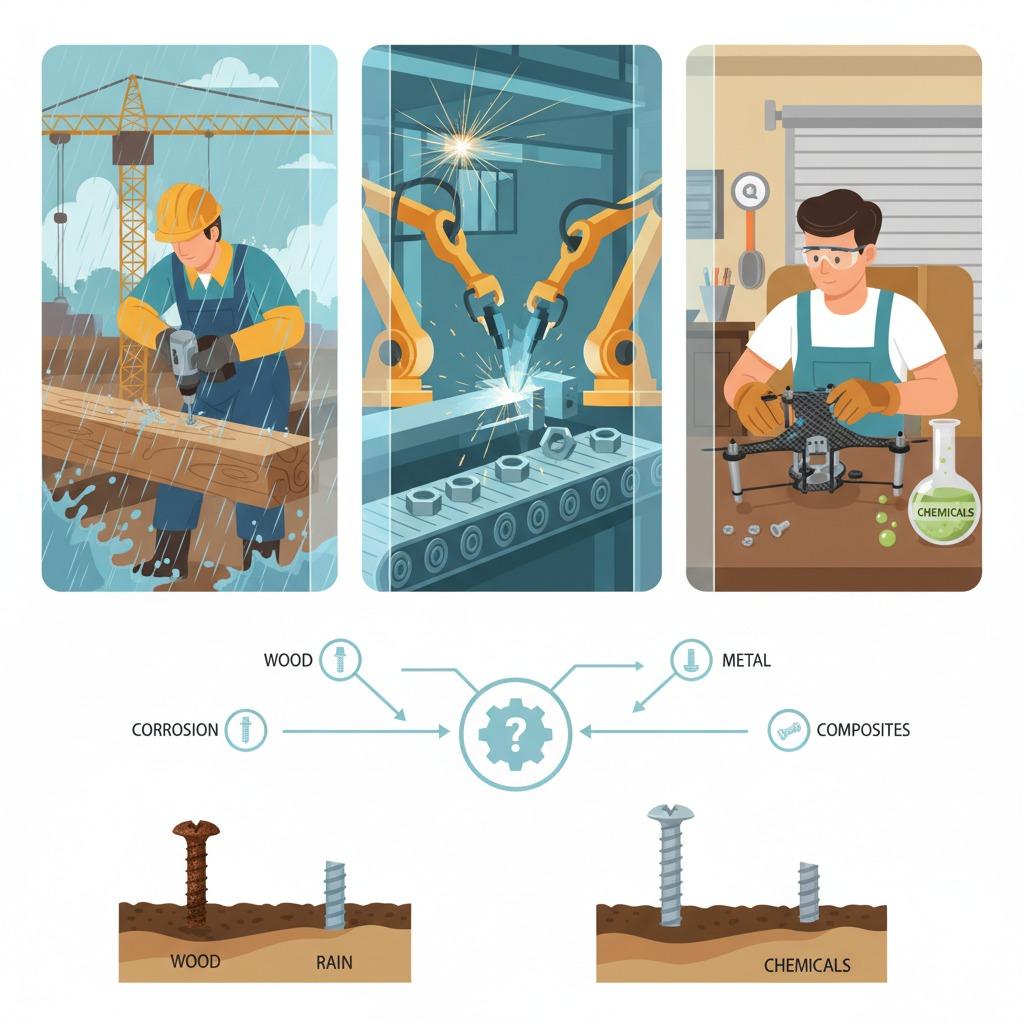
What to Check Before Buying Fasteners in Bulk starts with a clear assessment of your project requirements. Whether you're outfitting a construction site, manufacturing facility, or DIY workshop, the right fasteners can make or break the integrity of your work. Begin by identifying the types of materials you'll be joining—such as wood, metal, or composites—and the environmental conditions they'll face, like exposure to moisture, chemicals, or extreme temperatures. For instance, if your project involves outdoor structures, opt for corrosion-resistant options like stainless steel or galvanized fasteners to ensure longevity. Failing to match the fastener type to your needs can lead to premature failure, costly repairs, or safety hazards. Always consult your project's specifications or blueprints to determine the precise sizes, threads, and strengths required, preventing the common mistake of overbuying incompatible items.
Evaluating Quality and Material Standards
Next in What to Check Before Buying Fasteners in Bulk is verifying the quality and material standards of the products. Not all fasteners are created equal; low-quality ones might bend, strip, or corrode under stress, compromising your entire assembly. Look for certifications like ASTM, ISO, or ANSI, which indicate that the fasteners meet rigorous industry benchmarks for strength and durability. Examine the manufacturing process—reputable suppliers use high-grade alloys and precise machining to produce reliable components. It's also wise to request samples or material safety data sheets (MSDS) to confirm composition, especially for bulk orders where consistency is key. Remember, investing in premium materials upfront saves money in the long run by reducing downtime and replacement needs. Avoid deals that seem too good to be true, as they often signal subpar quality from unverified sources.
Assessing Supplier Reliability and Pricing
A crucial aspect of What to Check Before Buying Fasteners in Bulk involves researching your supplier's track record and pricing structure. Choose vendors with a proven history of on-time delivery, excellent customer service, and transparent sourcing practices. Check reviews, testimonials, and industry ratings to gauge reliability—delays in bulk shipments can halt production lines and inflate costs. Compare pricing not just on unit cost but on total value, including shipping, minimum order quantities, and volume discounts. Factor in lead times, return policies, and warranty options to ensure you're protected against defects. For large-scale purchases, negotiate terms directly with the supplier to secure better rates or customized packaging that suits your storage capabilities. By prioritizing trustworthy partners, you minimize risks and streamline your supply chain for future projects.
Considering Logistics and Storage
Finally, in What to Check Before Buying Fasteners in Bulk, don't overlook logistics and storage implications. Bulk orders mean substantial volumes, so evaluate your warehouse space and inventory management system to handle the influx without clutter or damage. Ensure the packaging is robust to prevent rust or deformation during transit—sealed bags or oiled coatings can be beneficial. Calculate shipping costs and timelines based on your location and the supplier's distribution network; international sourcing might introduce tariffs or delays. Once received, implement proper storage protocols, like keeping fasteners in dry, organized bins away from contaminants, to maintain their usability. This holistic approach ensures your bulk investment translates into efficient, hassle-free operations. By methodically addressing these checks, you'll procure fasteners that enhance project success and operational efficiency.





