


Understanding All Thread Rod: The Versatile Fastening Solution
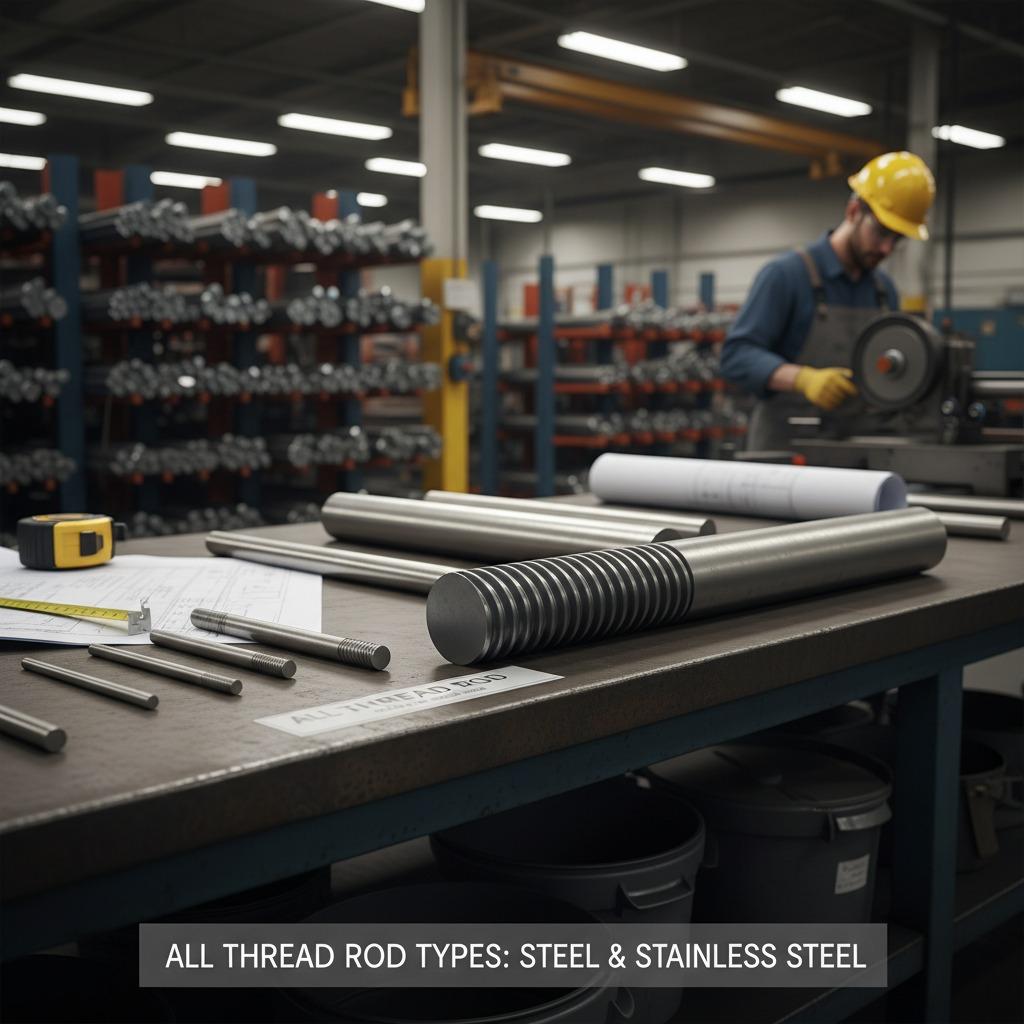
When it comes to construction, manufacturing, and DIY projects, all thread rod stands out as an essential component. This fully threaded metal rod, often made from durable materials like steel or stainless steel, provides reliable support for securing structures and fixtures. Whether you're anchoring machinery in place or building custom shelving, all thread rod offers unmatched versatility and strength. Its continuous threading allows for easy customization, making it a go-to choice for professionals and hobbyists alike.
Why Choose All Thread Rod for Your Projects?
All thread rod is prized for its ability to handle heavy loads while being simple to install. Available in various diameters and lengths, it can be cut to precise measurements on-site, reducing waste and saving time. In industrial settings, it's commonly used for suspending pipes, securing electrical panels, and even in automotive repairs. For residential applications, think hanging ceiling fans or reinforcing concrete forms. The key advantage lies in its corrosion resistance when galvanized, ensuring longevity in moist environments. If you're sourcing materials for larger operations, knowing where to buy threaded rod wholesale can streamline your supply chain and cut costs significantly.
Benefits of Buying Threaded Rod Wholesale
Opting to buy threaded rod wholesale unlocks a range of benefits, especially for contractors and manufacturers dealing with high-volume needs. Bulk purchasing not only reduces per-unit prices but also ensures consistent quality and availability, preventing project delays. Reputable suppliers offer a variety of grades, from low-carbon steel for general use to high-strength alloys for demanding applications. When you buy threaded rod wholesale, you gain access to expert advice on selecting the right specifications, such as thread pitch and tensile strength, tailored to your project's requirements. This approach minimizes inventory hassles and supports scalable growth for businesses.
Applications and Installation Tips for All Thread Rod
Beyond basic fastening, all thread rod finds innovative uses in seismic bracing, greenhouse frameworks, and even artistic installations. Its adaptability shines in combination with nuts, washers, and couplers, creating secure assemblies that withstand tension and vibration. To install effectively, start by measuring your space accurately and selecting the appropriate rod diameter—typically ranging from 1/4 inch to 1 inch. Use cutting tools like hacksaws or bolt cutters for clean ends, then thread on components snugly with wrenches. Always prioritize safety by wearing protective gear and following local building codes. For those looking to scale up, buying threaded rod wholesale ensures you have ample stock for multiple jobs without compromising on quality.
Maintaining and Storing Your All Thread Rod Supply
Proper storage is crucial to preserving the integrity of all thread rod, preventing rust and thread damage. Keep it in a dry, covered area, ideally upright in racks to avoid bending. If exposed to elements, apply protective coatings periodically. Regular inspections help identify any wear, extending the rod's service life. Businesses that buy threaded rod wholesale often invest in organized storage solutions to maintain efficiency. By understanding these practices, you maximize value from your investment in this indispensable hardware.





