


Hex Nut Basics: Why This Small Fastener Still Decides a Lot on the Shop Floor
A hex nut looks ordinary until a joint loosens, a finish mismatches, or a procurement team discovers too late that the thread spec on paper does not match the hardware in hand. For many assemblies, the Hex nut is not a trivial accessory; it is the part that helps keep preload where the designer intended it. That matters in machinery, metal fabrication, automotive subassemblies, electrical enclosures, and any product that depends on a threaded joint staying stable under vibration, heat, or repeated service.
If you are sourcing fasteners, the real decision is rarely “Do we need a nut?” It is usually “Which nut type, material, and finish will survive the environment, work with the bolt grade, and still be practical for assembly?” This article is meant to help engineers and buyers make that call without overcomplicating it.
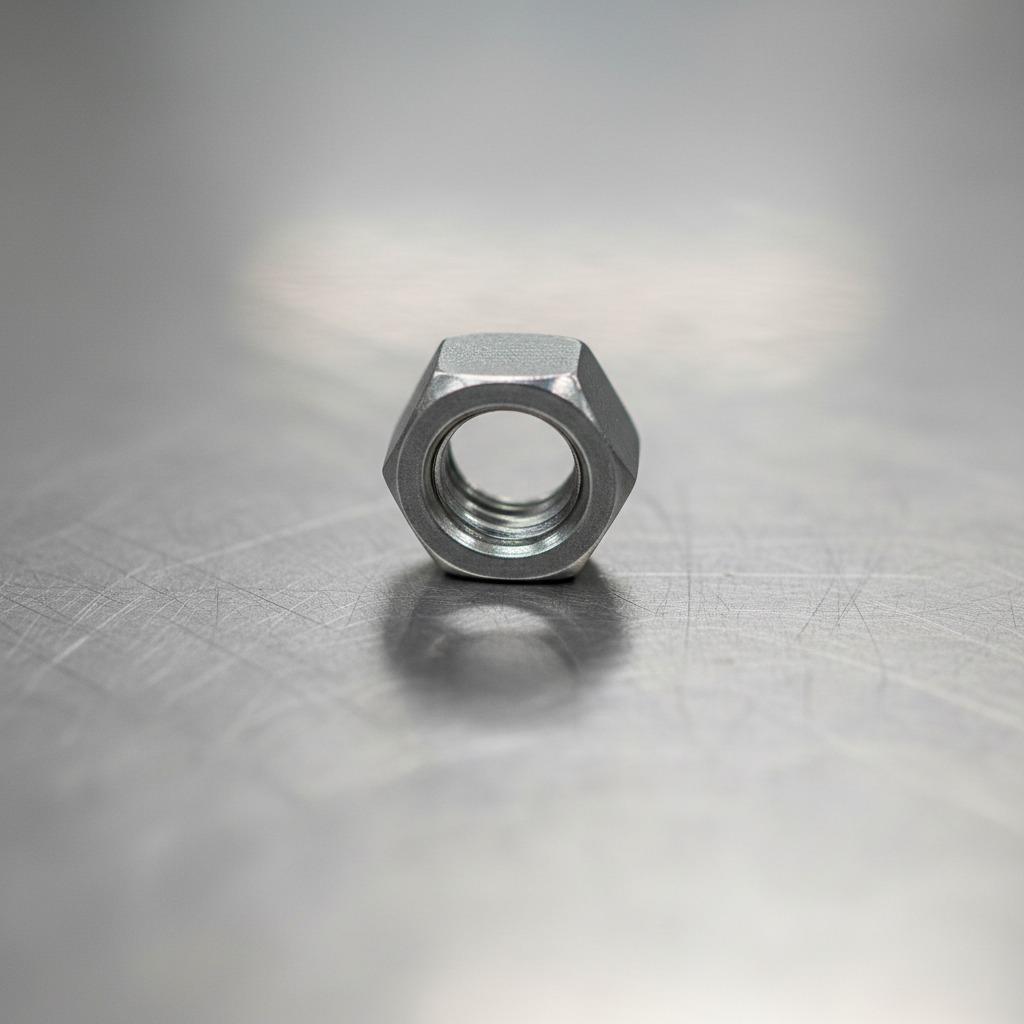
What a Hex Nut Actually Does
The basic job is simple: a hex nut converts rotational tightening into clamping force. Its six-sided shape gives a wrench or socket enough purchase to apply torque efficiently. In practice, though, performance depends on far more than shape. Thread fit, surface finish, mating material, and the condition of the bolt all affect how the joint behaves once it is loaded.
That is why one nut may be perfectly acceptable in a dry indoor fixture while another needs corrosion resistance, temperature tolerance, or a locking feature. A nut is rarely judged on appearance alone, even if that is how it often arrives in purchasing conversations.
Common Hex Nut Types Buyers Encounter
Not every hex nut is used the same way. The main categories usually differ by thickness, locking method, or application environment.
Standard hex nut
This is the general-purpose option for many assemblies. It is typically selected where a standard threaded connection is enough and where service technicians need easy removal later.
Jam nut
Thinner than a standard nut, a jam nut is often used as a locking partner or where space is limited. It is not a universal fix, but in certain assemblies it helps maintain position when paired correctly.
Locking nut
Locking nuts are used where vibration or movement can loosen a normal threaded joint. There are several designs, and the right one depends on the assembly method and service requirements. A buyer should be cautious here: some locking features can add installation torque, which may matter on production lines.
Flange nut
A flange nut spreads load over a wider area and can reduce the need for a separate washer in some designs. It is useful, but only if the bearing surface and clamp strategy suit the joint.
Material and Finish: The Part That Usually Decides Durability
For most purchasing teams, material selection is where the conversation gets serious. Carbon steel is common for strength and cost control. Stainless steel is often chosen for corrosion resistance, though it is not automatically the best answer for every environment. In some assemblies, the concern is galling, especially when stainless fasteners are tightened repeatedly. That is the kind of detail that can turn a “standard” part into a nuisance during maintenance.
Coatings and finishes also matter. Zinc plating is widely used for general corrosion resistance in controlled environments. Other surface treatments may be chosen to support appearance, durability, or a particular industrial environment. The key point is that finish should be matched to both function and the surrounding materials, not just to a drawing note copied from a previous project.
How to Select the Right Hex Nut for an Assembly
Selection usually comes down to a short list of questions. What thread size and pitch are specified? Is the joint static or vibration-prone? Will the fastener be exposed to moisture, chemicals, or outdoor conditions? Is the nut intended for repeated removal during maintenance? These are not academic questions; they affect failure rates and service time.
Engineers should also think about load path. If a joint depends on consistent clamping force, the nut should complement the bolt grade and the washer stack, if one is used. Buyers, meanwhile, should verify that the supplied nuts align with the assembly standard being used on the line. Mixing standards is a common mistake, and it is often discovered after the shipment is already on the dock.
Common Buying Mistakes
One frequent error is treating every hex nut as interchangeable. Another is specifying corrosion resistance without considering the mating fastener, which can create uneven wear or assembly problems. A third is overlooking the installation method. If the production process relies on speed, a locking feature that improves retention but slows installation can become a hidden cost.
There is also the matter of serviceability. A part that is easy to assemble once may be a poor choice if maintenance crews need to remove it repeatedly over the life of the machine.
Practical Buyer Advice
Before placing a purchase order, confirm the thread specification, material, finish, and any locking requirement. If the nut will be used in a visible product, check appearance consistency across batches. If it is part of a safety-related or high-vibration assembly, do not rely on habit or past practice alone; recheck the joint design. A few extra minutes here can prevent rework later, which is a better use of everyone’s time.
Final Thought for Engineers and Sourcing Teams
Hex nuts are simple parts that carry complicated consequences. The right choice keeps assemblies stable, serviceable, and cost-effective. The wrong one can create loose joints, corrosion issues, or production friction that shows up long after the PO is closed. For teams comparing options, the safest approach is to start with the application, then narrow the material and locking style from there rather than selecting by habit.
If you are reviewing a current bill of materials or qualifying a new supplier, use the nut as a joint-level decision, not a line item. That small shift usually leads to better hardware choices and fewer surprises on the floor.





