


J Type Anchor Bolt: Where It Fits and Why Buyers Still Specify It
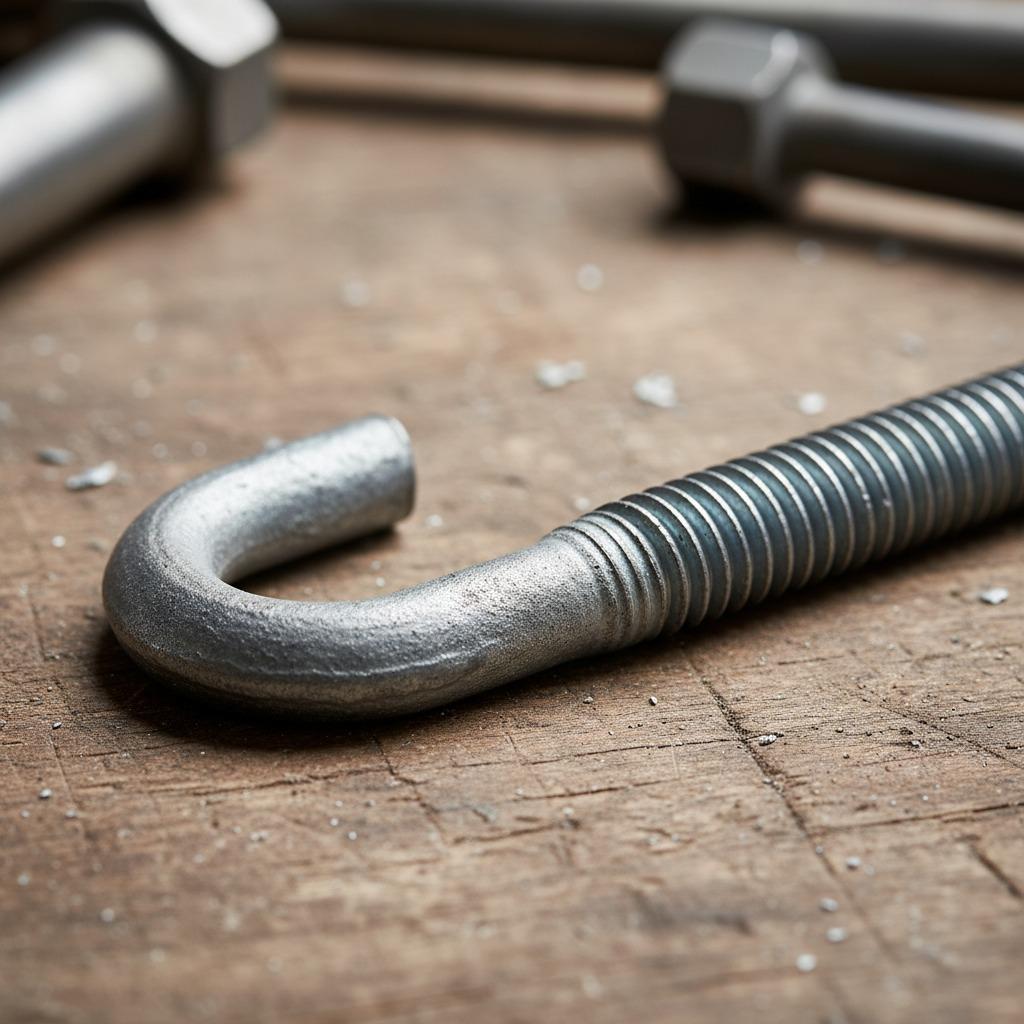
A J type anchor bolt is one of those fastening parts that looks simple on paper and turns out to matter a great deal in the field. The bent end gives the bolt a mechanical lock inside concrete, which makes it useful for holding down structural steel, equipment bases, posts, brackets, and other assemblies that need a dependable attachment point. For engineers and sourcing teams, the real question is not whether the part is familiar. It is whether this shape is the right choice for the load, the pour, the installation sequence, and the environment around it.
That matters because anchor selection is rarely just a hardware decision. It affects foundation layout, setting accuracy, installation labor, and sometimes rework if the embedment or projection was handled too casually. A J-bent profile can be a practical choice, but it is not a universal one. Used well, it is economical and easy to integrate into a concrete pour. Used carelessly, it can create alignment headaches or leave too little edge distance where the slab design is tight.
What the J Shape Actually Does
The curved or hooked lower end is the defining feature. Instead of relying only on thread engagement or a straight embedded section, the bent leg helps resist pullout by anchoring into the cured concrete. In straightforward applications, this gives the bolt a reliable hold without complicated hardware.
In practical terms, buyers often evaluate a J type anchor bolt for three reasons: it is familiar to installers, it can be cast in place before the concrete sets, and it works well in many light to medium duty fixing tasks. The form is not exotic, but that is part of the appeal. On a crowded jobsite, parts that are easy to place and easy to explain tend to win.
Typical Uses and Where Caution Is Needed
J bolts are common in foundation anchoring, machinery mounting, columns, handrail bases, and utility supports. They are often chosen for cast-in applications where the bolt position can be set before the pour. That makes them useful on projects where the anchor pattern is known early and the concrete work can be coordinated with the installation crew.
Still, there are some practical cautions. The hooked end creates a bend radius and geometry that may limit use in very thin concrete sections. Edge distance, embedment depth, and the direction of load all deserve attention. If a design expects significant tension, vibration, or dynamic loading, the team should not assume a J-bent anchor is automatically the best answer. In those cases, the engineer may need to compare it with straight anchors, sleeve anchors, or other fastening systems depending on the substrate and service conditions.
Key Selection Points for Engineers and Buyers
When sourcing a J type anchor bolt, the first question is usually the drawing, not the catalog. Confirm the thread size, overall length, bend geometry, and the required projection above the concrete surface. The exposed threaded section has to match the base plate, washer stack, and nut arrangement, or the installation will become awkward very quickly.
Material choice matters as well. In general manufacturing practice, anchor bolts may be supplied in carbon steel or other grades suited to the application, with surface protection chosen according to the environment. Outdoor, humid, or corrosive settings often call for more careful consideration of coating or finish. That said, buyers should be wary of assuming a finish alone solves the problem. If the site environment is harsh, the whole fastening system needs to be reviewed, not just the visible hardware.
Quick buyer checklist
Ask for the exact dimensions and bend details. Confirm whether the bolt is cast in place or intended for another installation method. Check compatibility with the base plate hole pattern and nut height. Review the concrete pour schedule so the anchors can be positioned and secured without movement during placement.
Common Mistakes That Slow a Job Down
One frequent mistake is treating all anchor bolts as interchangeable. A J profile may look close enough to a bent rod in a warehouse bin, but field fit-up tells a different story. Another is ignoring the required projection above the slab. Too short, and the nut and washer stack cannot seat correctly. Too long, and the exposed threads become a nuisance during installation or later use.
It is also easy to understate the importance of placement tolerance. Cast-in anchors only work cleanly when they are set accurately before the concrete cures. If the anchor pattern shifts, even a small offset can force crews into slotting holes or improvising in ways that weaken the original design intent. That is usually avoidable with better planning at the drawing and pour stage.
What Buyers Should Clarify Before Ordering
For sourcing teams, the safest approach is to lock down the technical details early: dimensions, thread standard, quantity, material preference, finish, and packaging expectations. If the project involves repeated orders, it also helps to document the anchor layout and reference drawing revision so the part definition stays stable across replenishments.
Ask whether the application is structural, equipment-related, or general construction. The answer shapes the level of scrutiny needed. A simple support post and a machine base do not always deserve the same fastening strategy, even if both use a J type anchor bolt.
Practical Next Step
If you are comparing anchor options for a concrete fastening project, start with the load case and installation sequence, then match the bolt geometry to the slab design. A J type anchor bolt can be a sensible, cost-conscious choice when the geometry, embedment, and environment are understood up front. The detail work is not glamorous, but it is usually where anchor projects succeed or fail.





