Understanding the Basics of Pipe Clamps
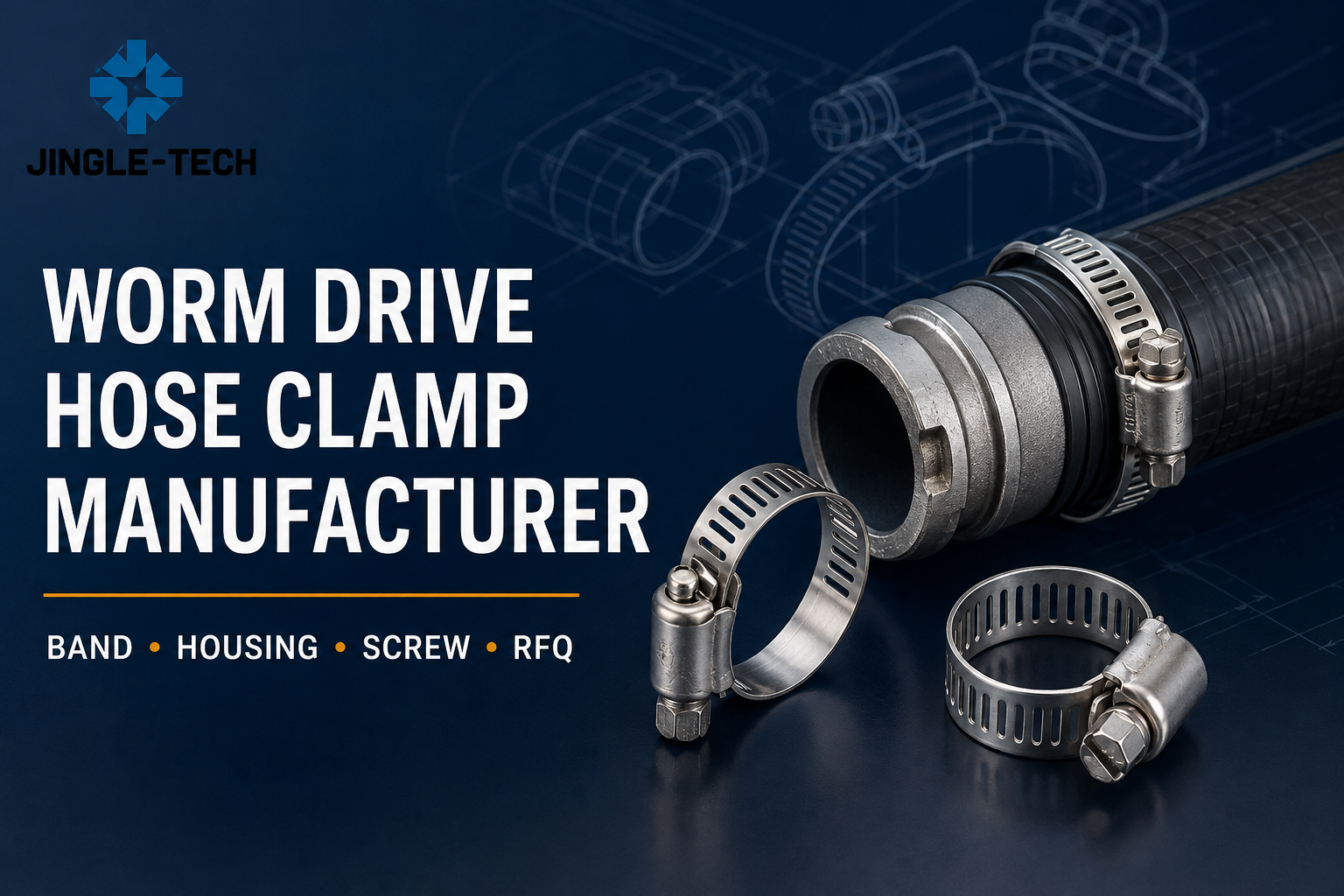
Pipe clamps are essential tools in plumbing, construction, and DIY projects, providing a secure way to hold pipes in place during installation or repairs. Whether you're a professional plumber or a home enthusiast, a reliable pipe clamp ensures stability and precision. This versatile hardware device comes in various sizes and materials to accommodate different pipe diameters and applications.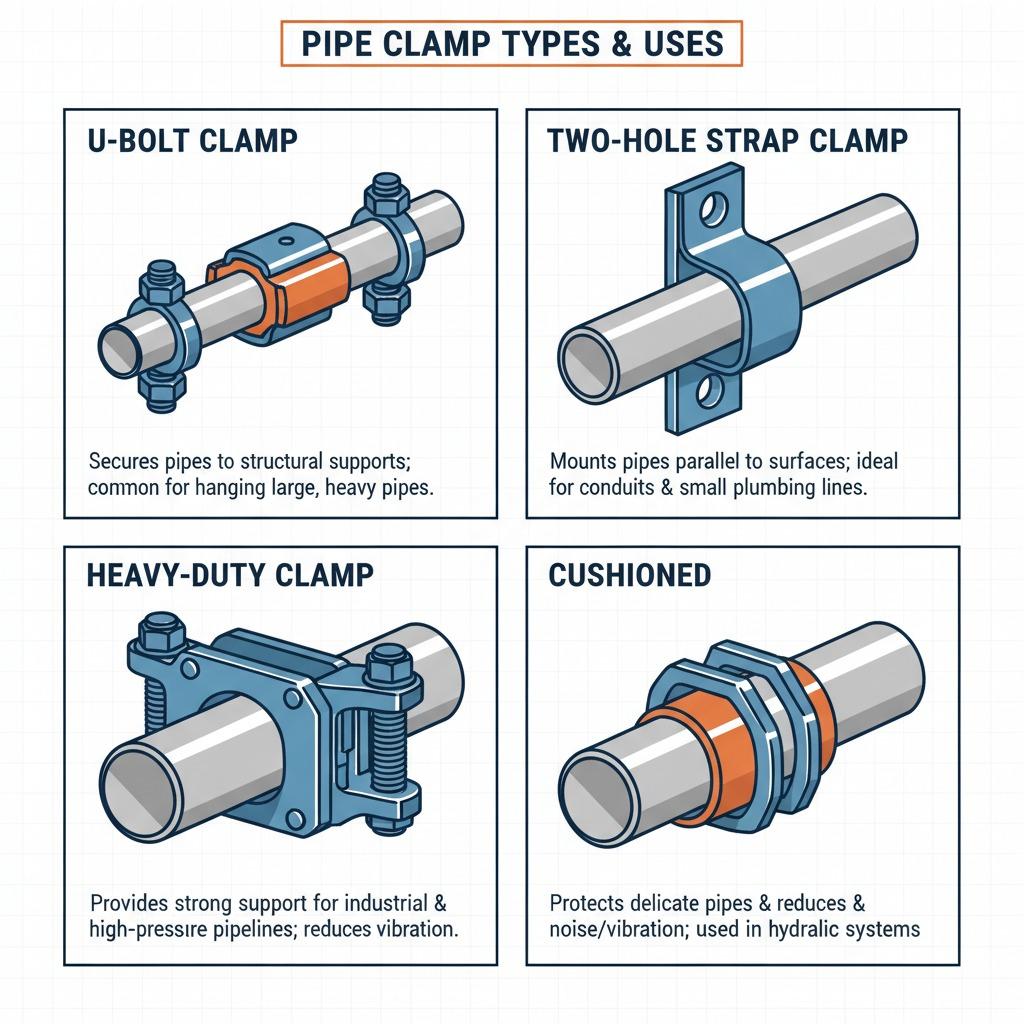
Types of Pipe Clamps and Their Uses
There are several types of pipe clamps available, each designed for specific tasks. U-bolt clamps, for instance, feature a U-shaped bolt that wraps around the pipe and secures it with nuts, ideal for mounting pipes to walls or beams. Two-hole strap clamps are simpler, using straps with two holes to fasten pipes to surfaces, commonly used in residential plumbing. For heavier-duty applications, such as industrial settings, heavy-duty pipe clamps made from durable steel or stainless steel offer superior strength. Cushioned pipe clamps, with their rubber-lined jaws, protect delicate pipes from damage while providing a firm grip. Selecting the right pipe clamp depends on factors like pipe material, pressure requirements, and environmental conditions.
Installation Tips for Effective Pipe Clamping
Proper installation of a pipe clamp is crucial for safety and functionality. Begin by measuring the pipe diameter accurately to choose the correct size clamp, avoiding any slippage or over-tightening. Clean the pipe surface to remove dirt or residue, ensuring a strong bond. Position the pipe clamp at the desired location, aligning it perpendicular to the pipe for even pressure distribution. Tighten the bolts gradually using a wrench, checking for even tension to prevent distortion. In high-vibration areas, like machinery setups, add locking washers to maintain the clamp's hold over time. Always follow manufacturer guidelines to comply with building codes and avoid potential leaks or structural failures.
Benefits of Using Quality Pipe Clamps
Investing in high-quality pipe clamps yields numerous benefits, including enhanced durability and reduced maintenance needs. They prevent pipe movement, minimizing wear and tear on connections, which can extend the lifespan of your plumbing system. Corrosion-resistant materials like galvanized steel or PVC-coated clamps are perfect for outdoor or humid environments, resisting rust and degradation. Additionally, modular pipe clamp designs allow for easy adjustments and expansions in complex piping networks. By using robust pipe clamps, you also ensure compliance with safety standards, protecting both users and infrastructure. For DIYers, these tools simplify tasks, saving time and effort while delivering professional results.
Maintaining and Troubleshooting Pipe Clamps
Regular maintenance keeps pipe clamps performing optimally. Inspect them periodically for signs of wear, such as cracks or loosening, and replace any damaged components promptly. Lubricate moving parts if applicable to ensure smooth operation. In corrosive settings, apply protective coatings to prolong their life. If a pipe clamp fails to hold securely, check for improper sizing or installation errors—readjusting often resolves the issue. For persistent problems, consult a professional to assess underlying pipe or system issues. With proper care, a single pipe clamp can serve reliably for years, supporting everything from simple home repairs to large-scale industrial projects.