


Understanding Rubber Sealing Washers: Essential Components for Secure Connections
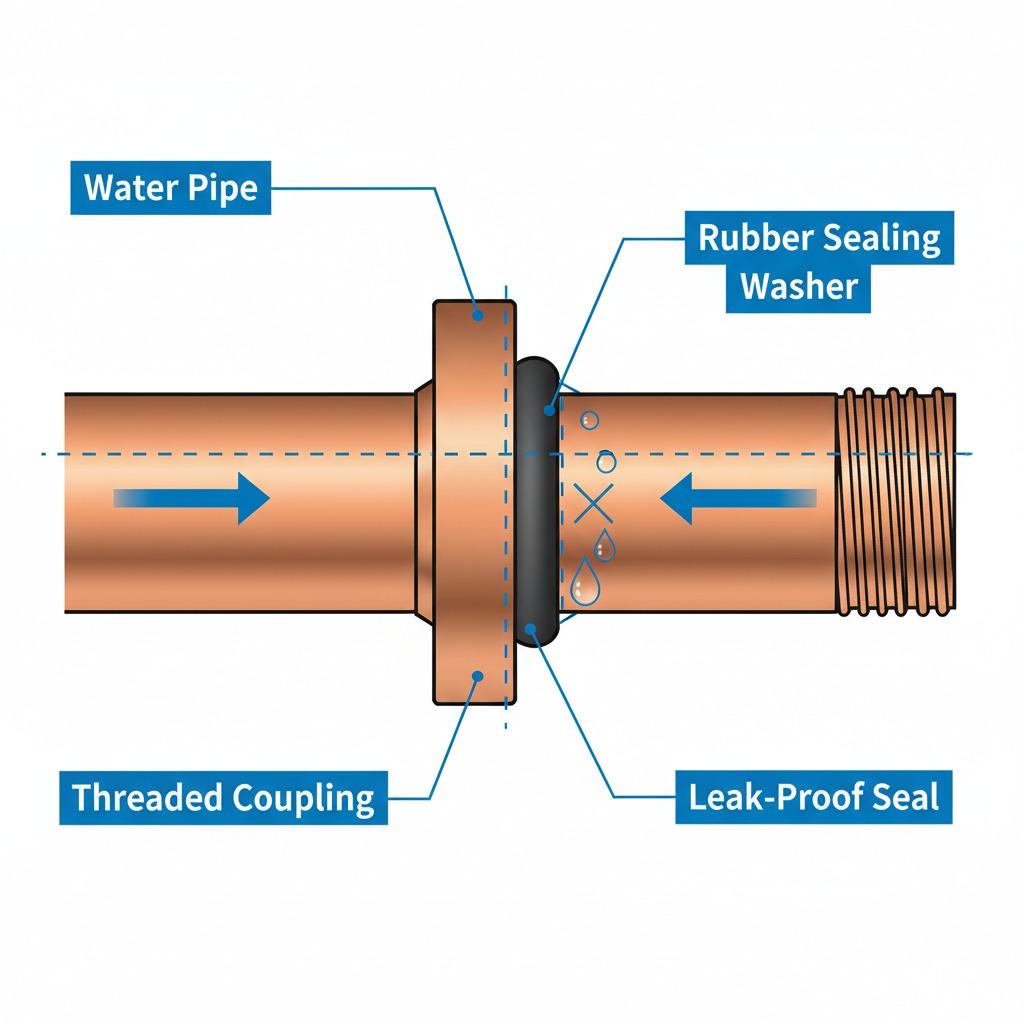
Rubber sealing washers are vital components in various mechanical and plumbing applications, designed to create a watertight or airtight seal between two surfaces. These versatile pieces, typically made from durable rubber materials like neoprene or EPDM, prevent leaks, reduce vibrations, and protect against corrosion. Whether you're assembling pipes, fastening electrical components, or building automotive parts, rubber sealing washers ensure reliability and longevity in your projects.
What Are Rubber Sealing Washers and How Do They Work?
Rubber sealing washers function as a cushion between a bolt or screw and the surface it's fastening to. When tightened, the rubber compresses, filling in microscopic gaps and irregularities, thus forming an effective barrier against fluids, gases, or environmental elements. Available in various sizes and thicknesses, these washers are engineered to withstand pressure, temperature fluctuations, and chemical exposure. For instance, in plumbing systems, they prevent water seepage, while in outdoor equipment, they guard against moisture ingress. Their elasticity allows them to maintain sealing integrity even under dynamic loads, making them indispensable in industries ranging from construction to manufacturing.
Types and Materials of Rubber Sealing Washers
There are several types of rubber sealing washers, each suited to specific applications. Flat rubber sealing washers offer basic sealing for general use, while O-ring style washers provide enhanced compression for high-pressure environments. Beveled or countersunk varieties are ideal for angled fittings. Material choice is crucial: natural rubber excels in low-temperature settings but may degrade with oils, whereas synthetic options like nitrile rubber resist petroleum-based substances. Viton rubber sealing washers, known for their heat and chemical resistance, are preferred in automotive and aerospace sectors. Selecting the right type ensures optimal performance and prevents failures that could lead to costly repairs.
Benefits and Applications of Rubber Sealing Washers
The primary benefits of rubber sealing washers include their cost-effectiveness, ease of installation, and superior durability compared to metal alternatives. They dampen noise and vibration, extending the lifespan of assemblies, and their non-conductive nature makes them safe for electrical applications. In everyday uses, you'll find them in faucet repairs, hose connections, and window frames. Industrially, they secure hydraulic systems, fuel lines, and HVAC units. For DIY enthusiasts, sourcing high-quality rubber sealing washers from reputable suppliers guarantees a leak-free result. Regular inspection and replacement can further enhance system efficiency, reducing maintenance downtime.
Installation Tips for Effective Use of Rubber Sealing Washers
Proper installation maximizes the effectiveness of rubber sealing washers. Always clean surfaces to remove debris, and position the washer squarely under the fastener. Avoid over-tightening, as it can deform the rubber and compromise the seal; instead, follow torque specifications. In corrosive environments, pair them with compatible coatings or inserts. For reusable applications, choose high-grade materials to prevent cracking over time. If dealing with extreme conditions, test the assembly for leaks post-installation. By adhering to these practices, you ensure that rubber sealing washers perform reliably, safeguarding your equipment from potential damage.





