


Structural Washers in Steel Construction
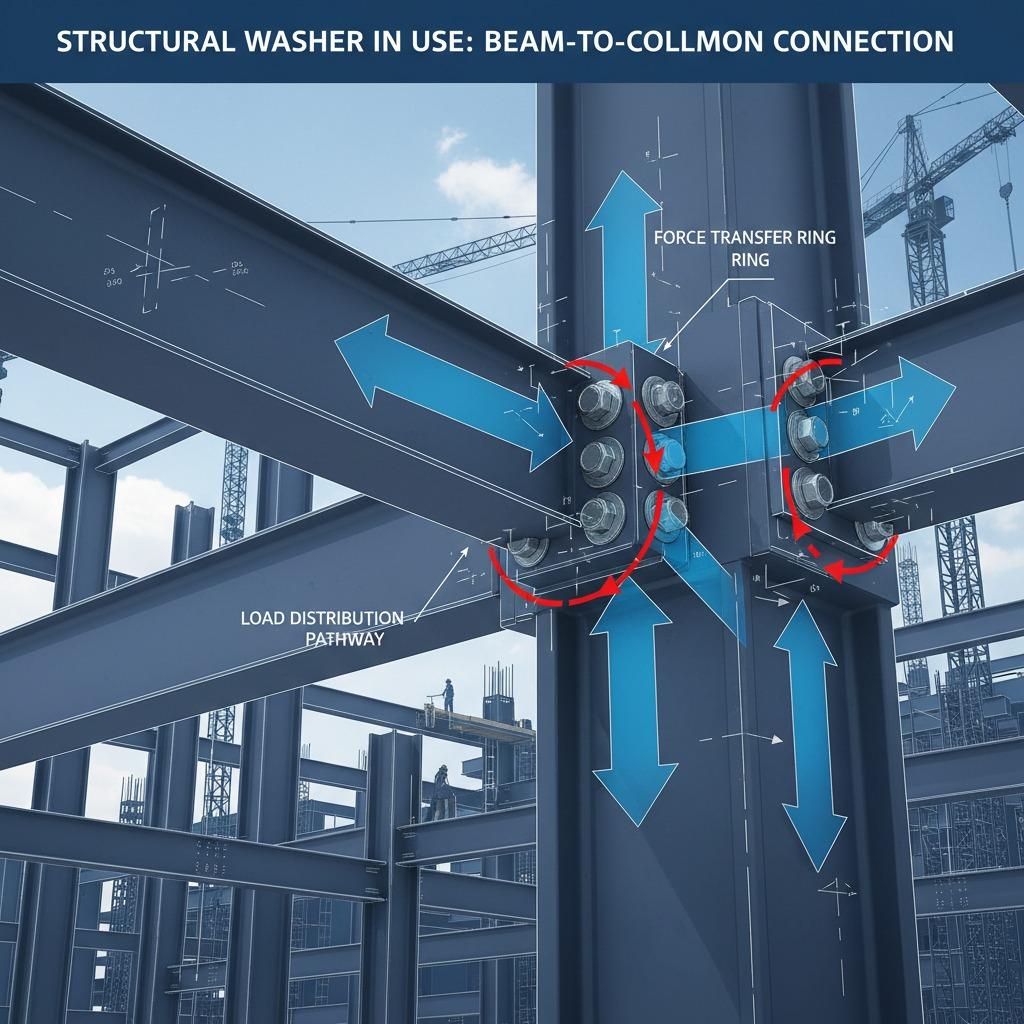
Structural washers in steel construction play a crucial role in ensuring the integrity and durability of building projects. These essential components are designed to distribute loads evenly across surfaces, preventing damage to materials and maintaining structural stability. In the demanding environment of steel construction, where precision and reliability are paramount, structural washers help mitigate issues like bolt loosening, corrosion, and uneven pressure. By incorporating these washers into assemblies, engineers and builders can enhance the overall performance of connections, making them indispensable in modern infrastructure.
The Fundamentals of Structural Washers
At their core, structural washers are flat, circular pieces typically made from high-strength materials like galvanized steel or stainless steel to withstand harsh conditions. In steel construction, they are often used in conjunction with high-strength bolts to create secure joints that can handle tensile and shear forces. Unlike standard washers, structural ones are engineered to meet specific standards, such as those outlined by the American Institute of Steel Construction (AISC), ensuring they provide consistent load distribution. This is particularly important in applications like beam-to-column connections or bridge frameworks, where even minor failures can lead to catastrophic results. Their design also includes features like beveled edges to accommodate sloped surfaces, further improving fit and function.
Applications and Benefits in Steel Projects
In steel construction projects, structural washers find extensive use in various scenarios, from skyscrapers to industrial warehouses. They are vital in tensioned bolted connections, where they prevent the compression of joint materials and reduce the risk of fatigue over time. One key benefit is their ability to enhance corrosion resistance when made from appropriate alloys, extending the lifespan of steel structures exposed to weather elements. Additionally, these washers contribute to easier installation and maintenance, as they allow for precise torque application during assembly. Studies from engineering bodies highlight how proper use of structural washers can increase joint efficiency by up to 20%, leading to cost savings in long-term project management. Their versatility makes them suitable for both new builds and retrofitting older structures to meet updated safety codes.
Selecting and Installing Structural Washers Effectively
Choosing the right structural washers in steel construction requires careful consideration of factors like size, material thickness, and load requirements. Engineers must consult specifications to match washers with bolt diameters, ensuring compatibility with the overall design. During installation, it's critical to follow torque specifications to avoid over-tightening, which could deform the washer, or under-tightening, which might compromise the connection. Best practices include inspecting washers for defects before use and applying anti-corrosion treatments if needed. By adhering to these guidelines, construction teams can maximize the safety and longevity of steel frameworks. Ultimately, integrating high-quality structural washers not only complies with industry regulations but also fosters innovative, resilient building practices that stand the test of time.
Future Trends and Innovations
Looking ahead, advancements in material science are pushing the boundaries of structural washers in steel construction. Innovations like composite washers with embedded sensors for real-time monitoring are emerging, allowing for predictive maintenance in smart buildings. As sustainability becomes a priority, eco-friendly coatings and recyclable materials are gaining traction, reducing the environmental impact of large-scale projects. These developments promise to make steel construction even more efficient and adaptable, ensuring that structural washers continue to evolve as a cornerstone of reliable engineering solutions.





