


Introduction to Fasteners for Solar Panel Installation
Fasteners for solar panel installation are essential components that ensure the structural integrity and longevity of solar energy systems. These specialized hardware pieces, including bolts, screws, nuts, and clamps, are designed to withstand harsh environmental conditions while securely mounting panels to roofs, ground mounts, or tracking systems. As solar power adoption grows worldwide, selecting the right fasteners becomes crucial for installers and homeowners aiming for reliable, efficient setups. High-quality fasteners prevent issues like loosening due to wind, thermal expansion, or corrosion, ultimately maximizing energy output and minimizing maintenance costs.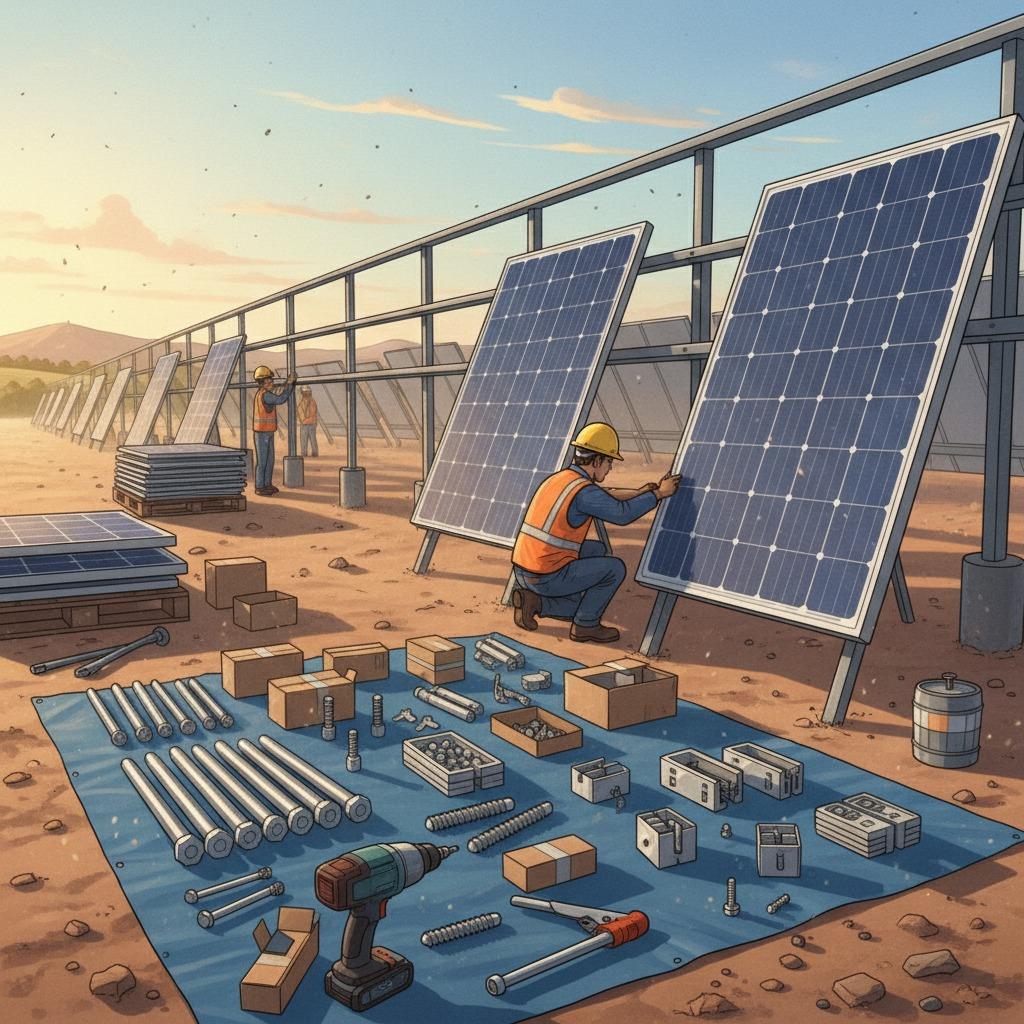
Types of Fasteners Used in Solar Installations
Various types of fasteners for solar panel installation cater to different mounting scenarios. Stainless steel lag screws are commonly used for roof penetrations, providing a strong hold into wooden rafters without compromising waterproofing. For metal roofs, self-tapping metal screws with integrated seals offer quick and secure attachment, reducing installation time. Aluminum or galvanized clamps secure panels to rails without drilling, ideal for non-penetrative mounts that preserve roof warranties. Bolts and nuts, often paired with lock washers, are vital for ground-mounted arrays where heavy loads from snow or wind require robust connections. Choosing corrosion-resistant materials like 316-grade stainless steel is key in coastal or humid areas to prevent rust and ensure decades of performance. Each type must comply with standards such as those from the Solar Energy Industries Association (SEIA) to guarantee safety and durability.
Key Considerations for Selecting the Right Fasteners
When choosing fasteners for solar panel installation, factors like load-bearing capacity, material compatibility, and environmental exposure play pivotal roles. Panels can weigh up to 40 pounds each, so fasteners must support dynamic loads exceeding 100 mph winds as per building codes. Torque specifications are critical—over-tightening can strip threads or damage panels, while under-tightening leads to vibrations and failure. UV-resistant coatings on plastic components prevent degradation, and anti-seize compounds on metal parts reduce galling during assembly. Installers should also consider thermal cycling; materials with similar expansion rates, like aluminum frames with aluminum fasteners, avoid stress cracks. Consulting manufacturer guidelines and local regulations ensures compliance, while tools like torque wrenches enhance precision. Investing in premium fasteners upfront saves on repairs and boosts system efficiency over 25+ year lifespans.
Best Practices for Installation and Maintenance
Proper installation techniques amplify the effectiveness of fasteners for solar panel installation. Begin with a thorough site assessment to identify optimal mounting points, followed by pre-drilling holes to avoid splitting materials. Apply sealants around penetrations to prevent leaks, and use torque values recommended by panel manufacturers—typically 10-15 Nm for most screws. Regular inspections, at least annually, check for loosening or corrosion; re-torquing or replacing fasteners as needed maintains integrity. In high-vibration areas, lock nuts or thread-locking adhesives provide extra security. Training for installers on these practices reduces errors, and documenting torque applications aids in warranty claims. By adhering to these steps, solar systems remain operational, contributing to sustainable energy goals with minimal downtime.
Future Trends in Solar Fastener Technology
Innovations in fasteners for solar panel installation are evolving to meet the demands of larger, more efficient panels. Smart fasteners with embedded sensors monitor tension in real-time via IoT, alerting technicians to potential issues before failures occur. Eco-friendly materials, such as recyclable composites, reduce environmental impact without sacrificing strength. Advances in 3D-printed custom clamps allow for tailored fits on irregular surfaces, speeding up deployments in commercial projects. As bifacial panels gain popularity, fasteners designed for dual-sided exposure enhance airflow and cooling. These trends not only improve reliability but also lower overall costs, making solar more accessible. Staying updated on these developments ensures installations remain cutting-edge and future-proof.





