Understanding the Basics of Anchors in Construction
Anchors are essential components in construction and fastening applications, providing secure hold in various materials like concrete, masonry, and wood. The anchor serves as a reliable solution for attaching heavy loads to structures, ensuring safety and durability. Whether you're working on a DIY project or a large-scale building endeavor, selecting the right anchor can make all the difference in stability and performance.
Exploring Sleeve Anchors for Robust Fastening
Sleeve anchors are a popular choice among contractors due to their versatility and strength. A sleeve anchor consists of a bolt surrounded by a cylindrical sleeve that expands when the bolt is tightened, creating a firm grip within the drilled hole. This design makes sleeve anchors ideal for medium to heavy-duty applications, such as securing ledger boards, machinery, or structural elements to concrete surfaces. One key advantage of the sleeve anchor is its ease of installation; simply drill a hole, insert the anchor, and torque the nut to expand the sleeve. This ensures a secure fit without the need for specialized tools beyond a wrench. However, it's crucial to match the sleeve anchor size to the load requirements and material thickness to avoid failures. For instance, in outdoor projects exposed to weather, using corrosion-resistant materials for the sleeve anchor enhances longevity.
The Advantages of Bolt Anchors in Heavy-Duty Scenarios
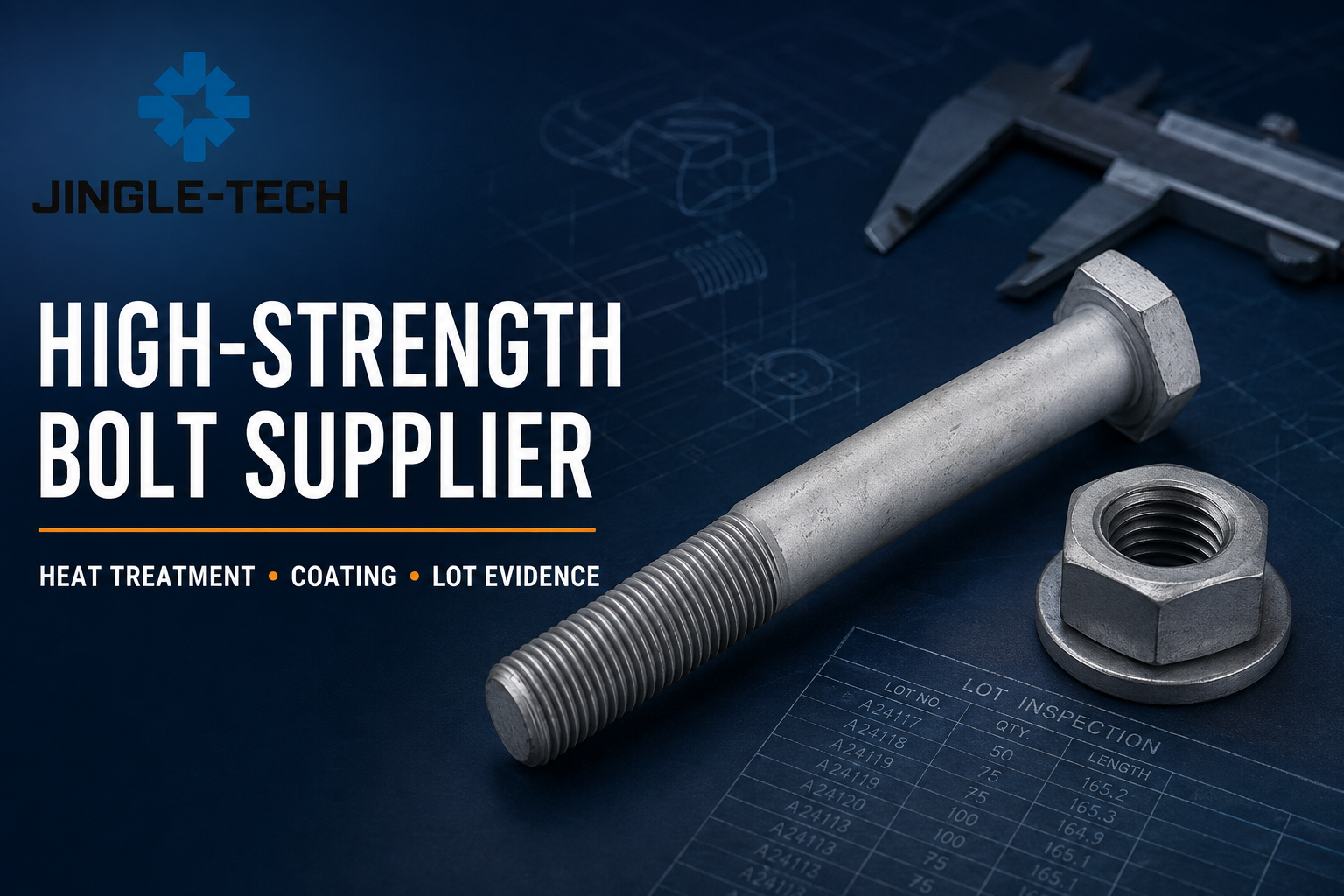
Bolt anchors, often referred to as expansion bolts, offer superior holding power for demanding environments. Unlike simpler fasteners, a bolt anchor uses a threaded rod or bolt that wedges into the base material upon installation, distributing force evenly to prevent pull-out. These anchors are particularly effective in high-vibration areas, like industrial machinery mounts or seismic retrofitting. The bolt anchor's design allows for precise adjustments during installation, making it suitable for aligning fixtures accurately. When choosing a bolt anchor, consider factors such as embedment depth and the type of concrete; deeper embeds provide stronger holds in cracked or low-strength substrates. Additionally, bolt anchors can be customized with washers and nuts for added security, and they're available in materials like stainless steel for corrosive settings. Proper torque application is vital to activate the expansion mechanism fully, ensuring the anchor performs optimally over time.
Comparing Sleeve Anchors and Bolt Anchors for Your Project
While both sleeve anchors and bolt anchors serve similar purposes, their differences lie in application specifics. Sleeve anchors excel in quicker installations for general construction tasks, offering a balanced expansion that suits softer materials. In contrast, bolt anchors are preferred for critical, high-load scenarios where maximum shear and tension strength is needed. For example, in bridge construction, a bolt anchor might be chosen for its reliability under dynamic loads, whereas a sleeve anchor could suffice for attaching railings in residential settings. Always consult load charts and local building codes when selecting between these options to ensure compliance and safety. By understanding these anchor types, professionals and hobbyists alike can enhance project integrity and efficiency.
Tips for Installing Anchors Safely and Effectively
Successful anchor installation begins with proper site preparation. Clean the drilled hole thoroughly to remove debris, which could compromise the hold of your sleeve anchor or bolt anchor. Use a hammer drill with the correct bit size to create a precise hole, avoiding over-drilling that weakens the base. When tightening, apply gradual torque to prevent stripping threads or cracking the material. For sleeve anchors, the expansion occurs as you turn the nut, so monitor for even pressure. With bolt anchors, inserting a setting tool can help expand the wedge efficiently. Post-installation, test the anchor by applying moderate load to verify stability. Regular inspections are recommended, especially in high-traffic areas, to catch any signs of wear. By following these practices, you can maximize the lifespan and performance of your anchors, contributing to safer and more reliable structures.