Understanding Bolts for Steel Structure Projects
Bolts for steel structure projects are essential components that ensure the stability and durability of large-scale constructions. These high-strength fasteners are designed to withstand immense loads, vibrations, and environmental stresses, making them indispensable in industries like construction, manufacturing, and infrastructure development. When embarking on steel structure projects, selecting the right bolts for steel structure projects can mean the difference between a safe, long-lasting build and potential structural failures.
The Role of Anchor Bolts for Concrete Foundation
Anchor bolts for concrete foundation play a critical role in securing steel structures to the ground. These specialized bolts are embedded into freshly poured concrete, providing a robust anchorage point that distributes weight evenly and resists uplift forces. In steel structure projects, anchor bolts for concrete foundation are often the first line of defense against seismic activity or high winds, ensuring the entire framework remains firmly in place. Engineers typically specify grades like ASTM A307 or A325 for these bolts to match the project's demands, with diameters ranging from 1/2 inch to several inches based on load requirements.
Types and Selection Criteria for Bolts in Steel Projects
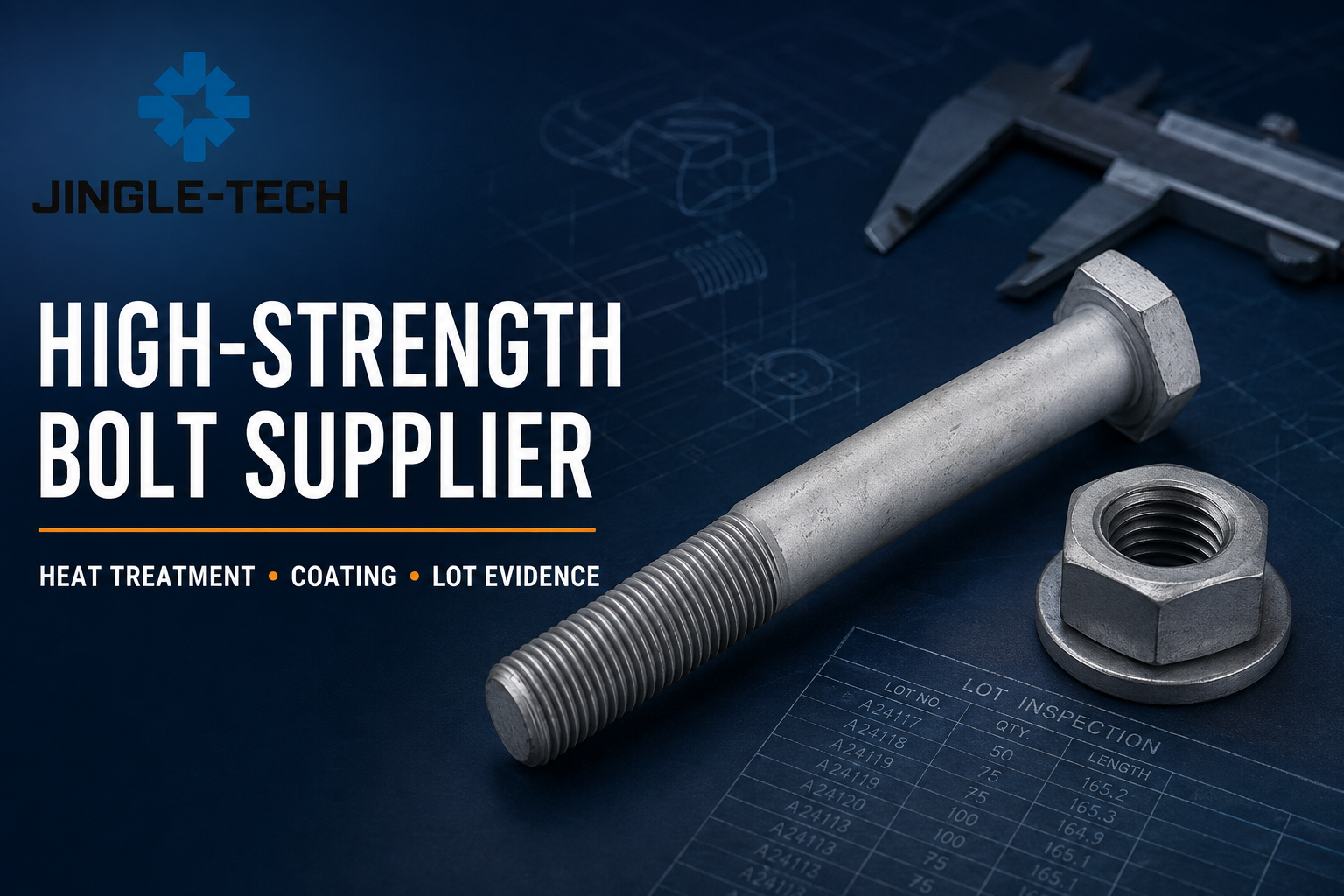
Beyond anchor bolts for concrete foundation, bolts for steel structure projects include hex bolts, structural bolts, and lag bolts, each tailored for specific applications. Hex bolts, for instance, are commonly used for joining steel beams and columns due to their superior tensile strength. When selecting bolts for steel structure projects, factors such as material composition—often high-tensile steel or galvanized options for corrosion resistance—must be considered. Related to this, anchor bolts for concrete foundation should be corrosion-protected, especially in humid or coastal environments, to prevent degradation over time. Proper torque application during installation is also vital; under-torquing can lead to loosening, while over-torquing might strip threads.
Best Practices for Installation and Maintenance
Installing bolts for steel structure projects requires precision and adherence to standards like those from the American Institute of Steel Construction (AISC). For anchor bolts for concrete foundation, alignment is crucial—misplacement can compromise the entire structure. Use templates or jigs during the concrete pour to ensure accuracy, and always follow curing times before applying loads. Maintenance involves regular inspections for signs of wear, rust, or fatigue, particularly on anchor bolts for concrete foundation exposed to soil moisture. In ongoing steel structure projects, periodic retightening and replacement of bolts for steel structure projects can extend the lifespan of the installation, reducing long-term costs and safety risks.
Future Trends in Fasteners for Steel Constructions
As technology advances, bolts for steel structure projects are evolving with innovations like smart bolts equipped with sensors to monitor tension in real-time. This is particularly beneficial for critical infrastructure where anchor bolts for concrete foundation must perform flawlessly. Sustainability is another focus, with eco-friendly coatings and recyclable materials gaining traction. For professionals involved in steel structure projects, staying updated on these trends ensures compliance with modern building codes and enhances project efficiency. Ultimately, investing in quality bolts for steel structure projects not only meets immediate needs but also supports resilient, future-proof constructions.