How CNC Machining Components Drive Innovation in Automotive Engineering
CNC Machining in Automotive Engineering: The Heart of Modern Innovation
The automotive industry is undergoing a revolution, with demands for greater performance, efficiency, and safety escalating each year. To meet these needs, manufacturers increasingly rely on precision CNC machining components. From high-performance engines to advanced safety systems, CNC machining enables unparalleled accuracy in automotive components.
In a world where a millimeter can make all the difference, CNC machining ensures that parts like gears, shafts, and engine components perform to the highest standards, under the most extreme conditions. JINGLE, as an OEM machining partner, plays a pivotal role in delivering these precision parts that drive automotive innovation.
The Role of CNC Machining Components in Automotive Performance
CNC machining is integral to the automotive industry, particularly in the following areas:
-
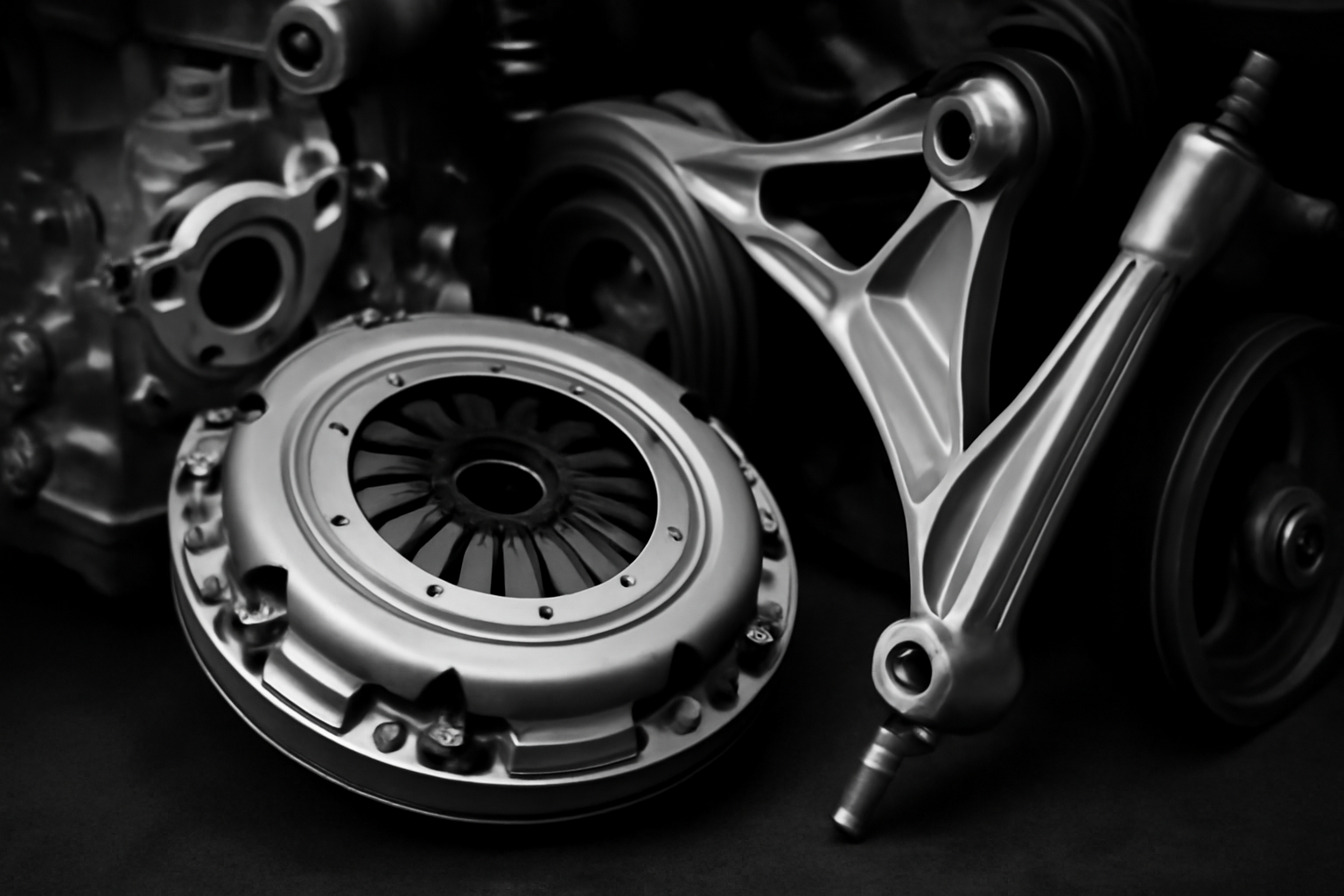
Engine Components: CNC machining allows for the creation of high-precision engine parts that ensure optimal power delivery, fuel efficiency, and durability. From pistons to crankshafts, CNC parts meet the exacting tolerances required for modern engine performance.
-
Transmission Systems: Gears, shafts, and other components that manage power transfer rely on CNC-machined precision to maintain reliability and smooth performance across miles of operation.
-
Suspension and Steering: These components, which are critical to a vehicle's handling and safety, require components that are fatigue-resistant and dimensionally accurate, ensuring consistent performance under stress.
-
Braking Systems: CNC machining creates custom brackets, rotors, and calipers that are crucial for precise braking performance and ensuring safety.
-
Vehicle Body and Chassis Components: Automotive bodies and chassis need lightweight yet strong components. CNC machining allows the use of alloys and materials that provide the necessary strength-to-weight ratio while maintaining dimensional accuracy.
Why JINGLE is the Trusted OEM Partner for Automotive CNC Machining
At JINGLE, we combine state-of-the-art CNC machining technology with an OEM-driven approach, delivering components tailored to the exact specifications of automotive manufacturers. Our factory direct supply model offers several advantages:
-
OEM Customization: We can machine parts to custom designs, whether it's a specific geometry or the use of high-strength alloys required for high-performance automotive systems.
-
Certified Manufacturing: Our processes comply with ISO, CE, and ASTM standards, ensuring that every part is tested and verified for quality and compliance.
-
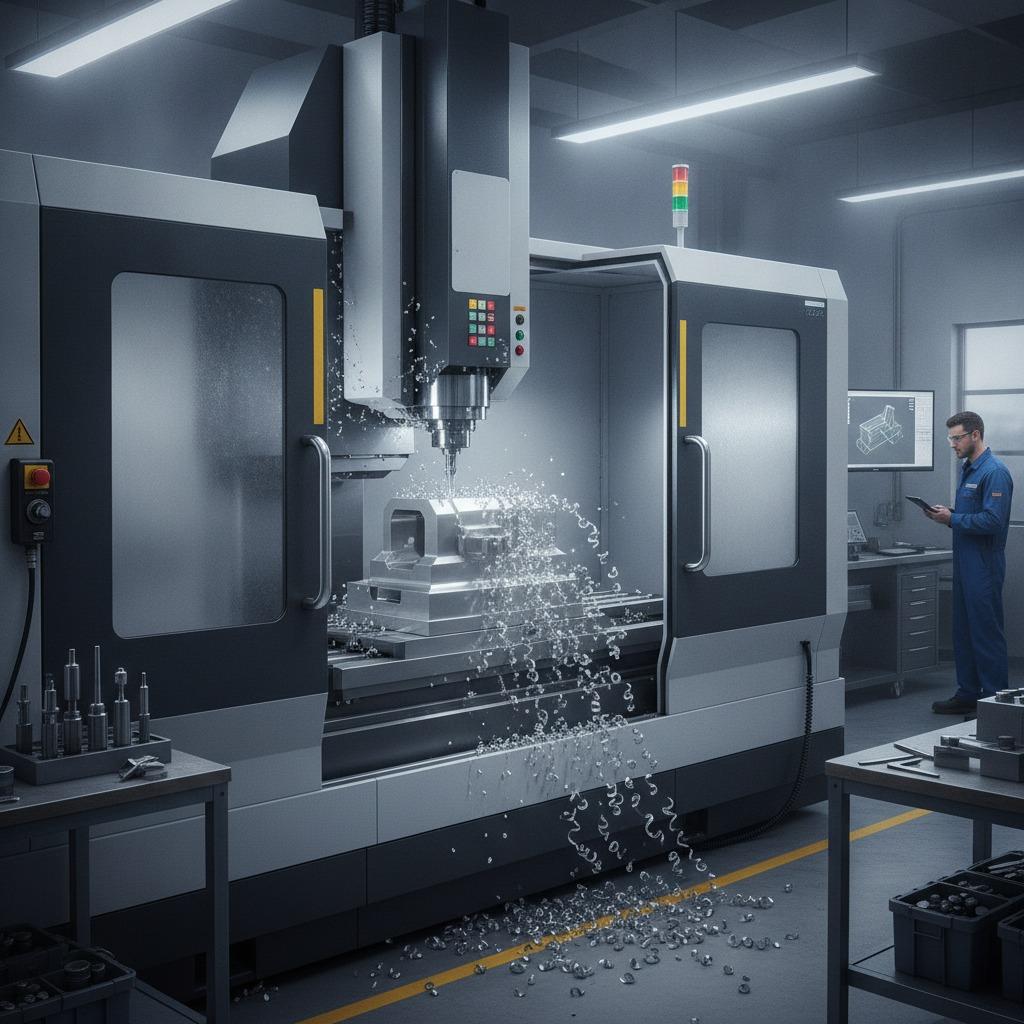
Precision at Scale: Our multi-axis CNC centers produce components with repeatable accuracy, whether you're sourcing a single prototype or thousands of units for large-scale manufacturing.
-
Advanced Materials Expertise: JINGLE’s expertise in material selection allows us to machine parts from stainless steel, aluminum, titanium, and high-strength alloys, ensuring optimal performance in any automotive application.
-
Efficient Logistics: With ERP-driven supply chain management, we ensure that production schedules align with your project timelines, guaranteeing on-time delivery and cost-effective solutions.
By choosing JINGLE as your CNC machining supplier, you gain a partner capable of providing customized solutions at scale while maintaining the highest standards of precision and quality.
Real-World Applications of CNC Machining in Automotive Engineering
Automotive manufacturers rely on CNC machining to meet the increasing complexity of vehicle systems. Here are some real-world applications where precision CNC machining delivers tangible benefits:
-
Performance Cars: CNC machining produces high-precision engine components and customized suspension systems that are integral to performance vehicles. These components must handle extreme speeds, high torque, and the highest levels of stress.
-
Electric Vehicles (EVs): The rise of electric vehicles demands lightweight and durable parts. CNC machining ensures accurate battery housing components, motor casings, and heat-resistant parts that meet the strict requirements of EV manufacturers.
-
Heavy-Duty Vehicles: Trucks and buses require fatigue-resistant gears and engine parts. CNC-machined components ensure these vehicles remain safe and operational even under the most demanding conditions.
-
Autonomous Vehicles: As autonomous driving technology develops, CNC machining produces sensor housings, control components, and precise metal parts that contribute to vehicle navigation and safety systems.
These examples showcase how precision CNC components help automotive manufacturers innovate, push the limits of performance, and create safer, more efficient vehicles.
The Future of CNC Machining in Automotive Engineering
The automotive industry is moving towards smart manufacturing and lightweight designs. As the demand for sustainable, fuel-efficient vehicles grows, CNC machining plays an increasingly important role in creating components that are both high-performance and cost-efficient.
JINGLE is at the forefront of this innovation, offering OEM solutions that help automotive manufacturers bring their designs to life with precision, durability, and reliability.
Learn more about JINGLE’s CNC machining capabilities for automotive applications by visiting the official website or exploring customized solutions via the contact page.