CNC Machining Parts Factory: Where Scale Meets Precision
Why Factories Are Essential in CNC Machining
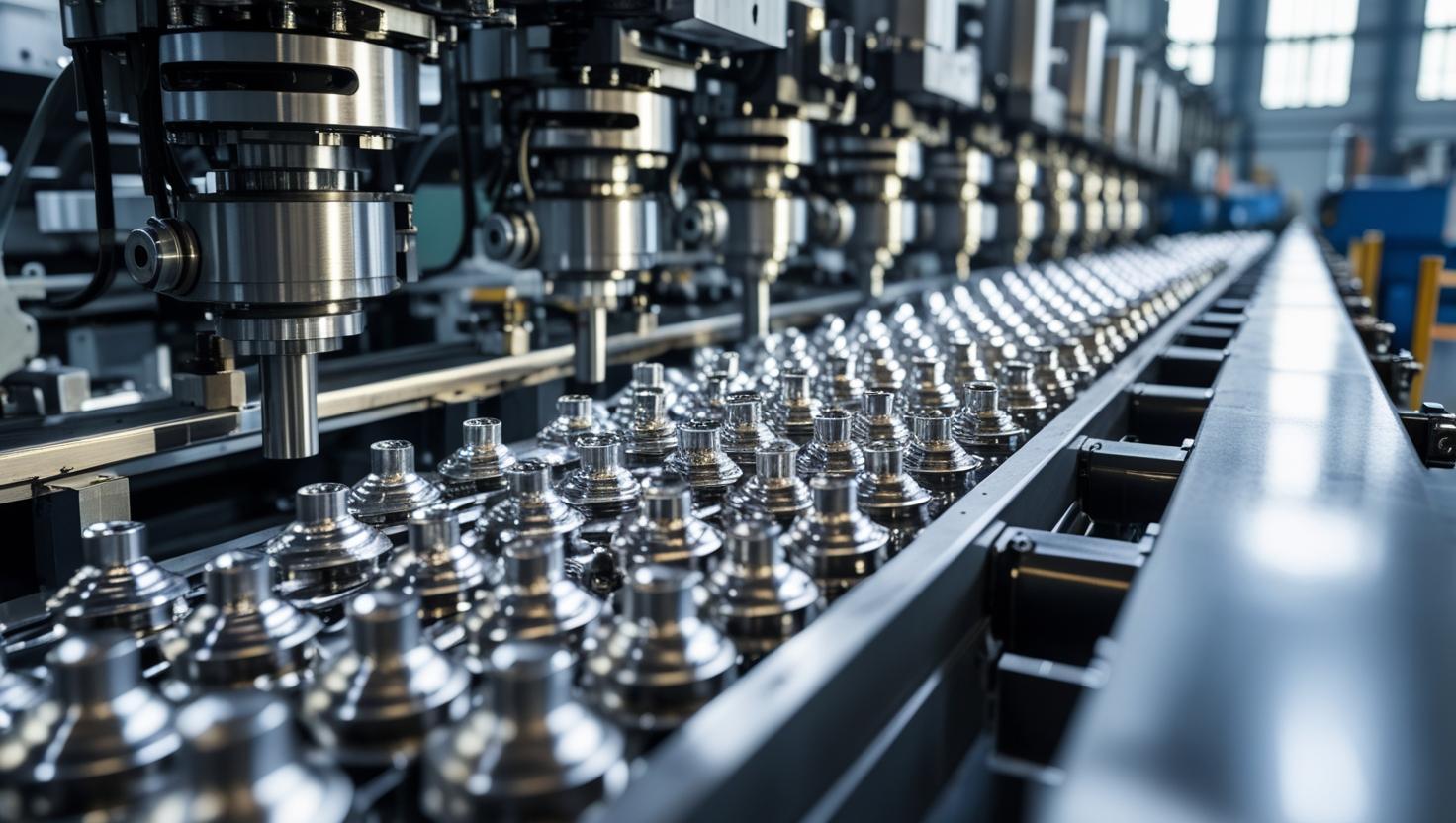
CNC machining has become widely accessible, but not every provider can support industrial projects. Small workshops may deliver accurate prototypes, yet they often lack the consistency, certification, and supply chain capacity needed by global buyers. A CNC machining parts factory is built to close that gap. With large-scale facilities, automated inspection, and ERP-driven production, factories deliver thousands of parts with identical precision—something no job shop can guarantee.
Factory Strength: Scale and Consistency
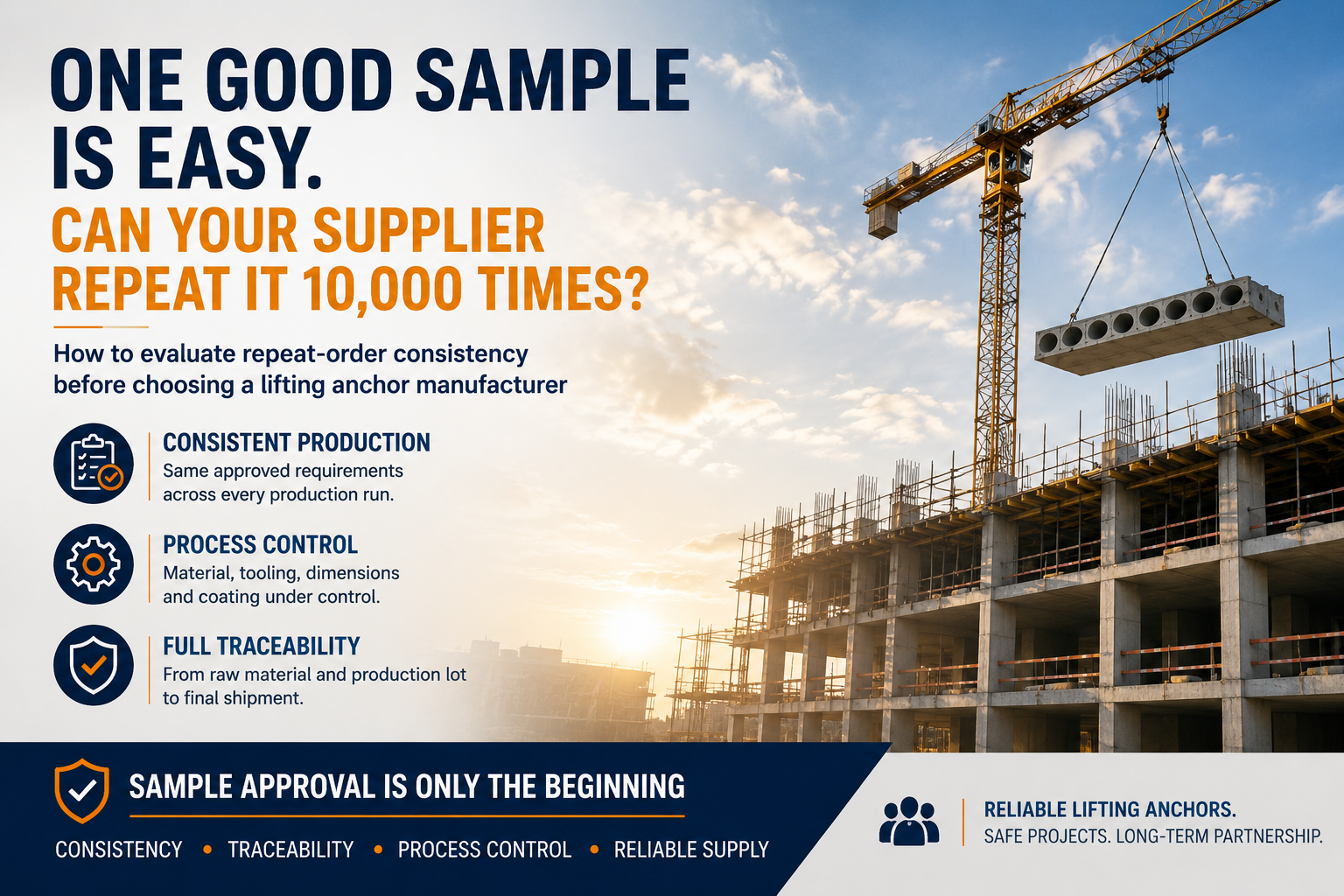
One defining advantage of a CNC machining parts factory is the ability to scale without losing accuracy.
-
Automated CNC lines allow parallel machining of multiple parts, ensuring efficiency in mass production.
-
In-process monitoring detects deviations instantly, maintaining tight tolerances across large batches.
-
ERP scheduling systems connect production with logistics, reducing lead times and avoiding delivery disruptions.
For industrial buyers, this translates into reliable supply chains where every part—whether the first or the ten-thousandth—meets the same specifications.
From Prototype to Full Production
Factories play a vital role in bridging the gap between design intent and industrial reality. At JINGLE, customers can start with rapid prototyping, validate tolerances and finishes, and then seamlessly shift into full production. This approach avoids a common problem: components that function well in testing but fail during scaled-up production. By controlling the process end-to-end, a factory ensures that prototypes evolve smoothly into mass-produced, compliant parts.
Engineering Across Materials
Different industries require different materials, and machining them at scale is not trivial.
-
Aluminum for lightweight automotive and electronics components.
-
Steel and Alloy Steels for load-bearing machinery parts.
-
Stainless Steel for corrosion-resistant applications in energy or medical industries.
-
Titanium for aerospace-grade parts balancing weight and strength.
A CNC machining factory invests in tooling strategies, coolant systems, and inspection methods that ensure precision across these materials, while guaranteeing consistent finishes and fatigue resistance.
JINGLE’s Factory Capabilities
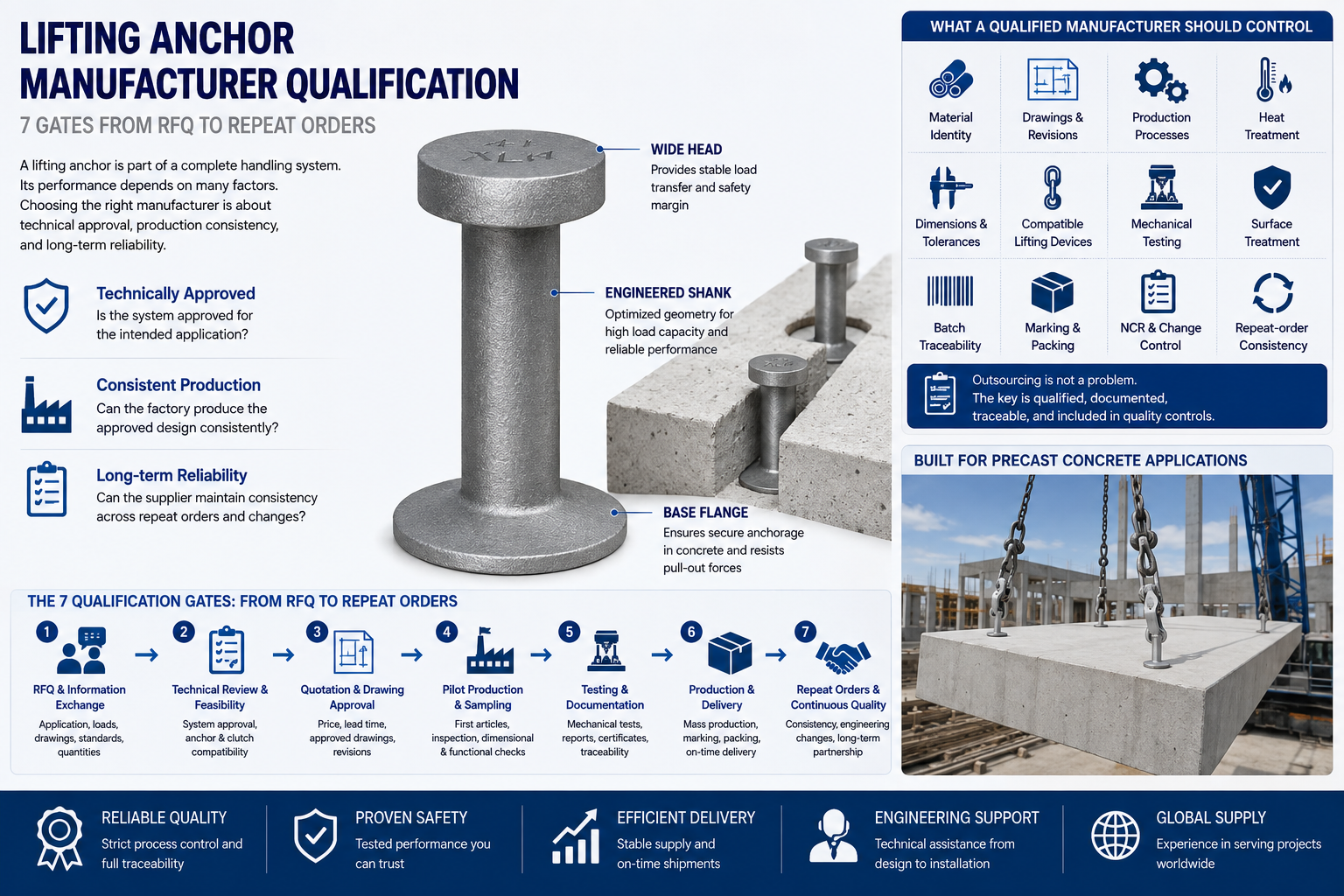
At JINGLE, the CNC machining parts factory is not only a production site but a certified engineering hub.
-
OEM Flexibility: Custom shafts, gears, housings, and connectors are designed to exact project needs.
-
High-Capacity Output: Annual production supporting both small specialty runs and bulk orders for international distributors.
-
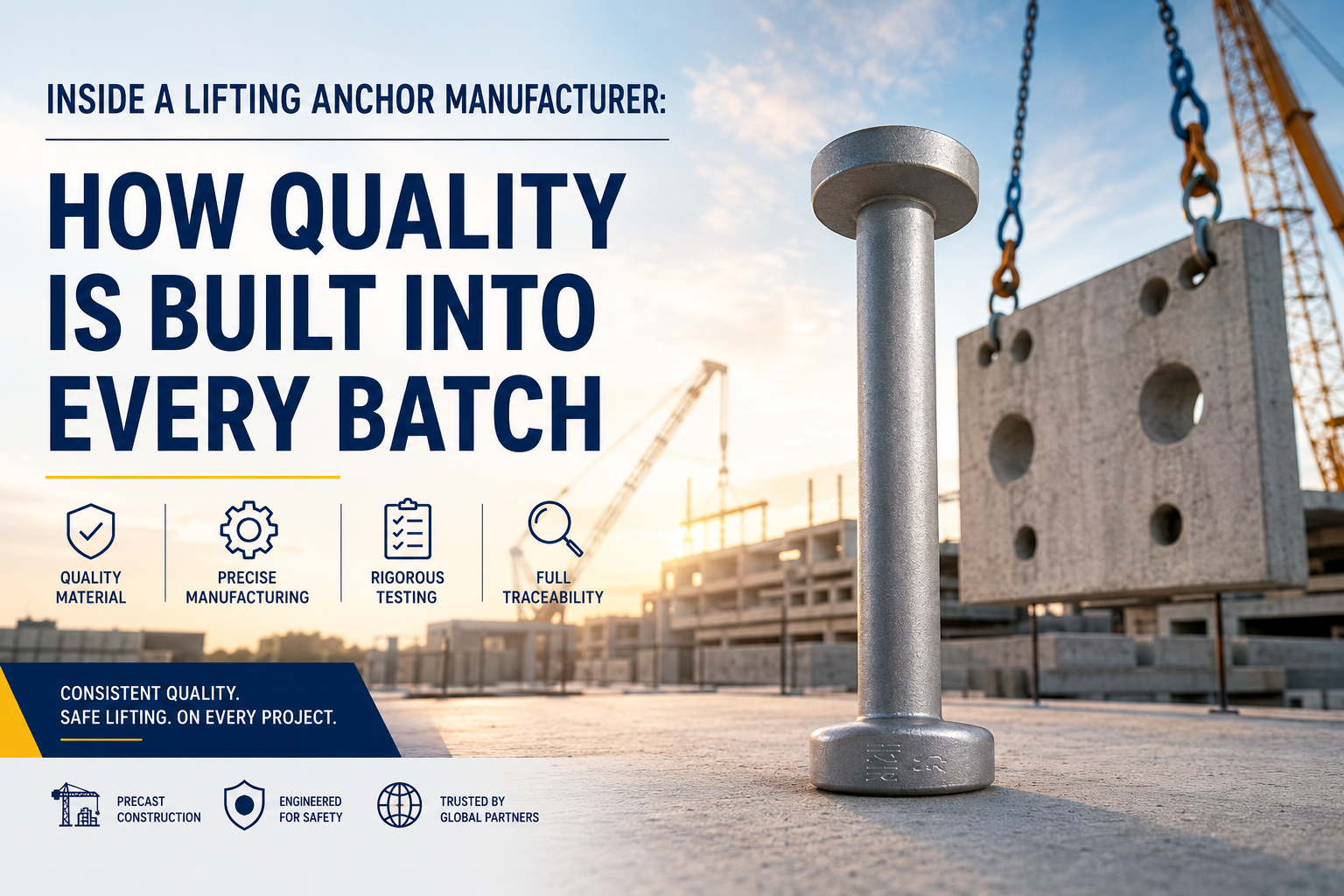
In-House Testing: Tensile, hardness, fatigue, and surface roughness analysis performed before shipping.
-
Certified Compliance: ISO and CE integrated into manufacturing, with full traceability reports available.
-
Global Supply Chain: ERP-linked logistics provide on-time deliveries, critical for contractors handling tight project schedules.
This integrated system makes JINGLE more than a parts supplier—it is a partner that ensures performance and dependability at factory scale.
Industrial Applications of CNC Machining Parts
The versatility of CNC machining is visible in industries where reliability is mission-critical:
-
Automotive: Precision gears and housings for transmissions and suspension assemblies.
-
Energy: Turbine blades, pump housings, and components that endure high temperatures and pressure.
-
Heavy Equipment: Shafts, joints, and couplers built to withstand constant vibration and impact.
-
Aerospace: Titanium brackets and structural components for aircraft safety.
-
Medical Devices: Stainless steel parts requiring hygienic finishes and exact tolerances.
In each sector, failure is not an option—factories ensure the required consistency, certification, and scalability.
Factory-Level Reliability for Global Industries
Industrial buyers measure success not in prototypes, but in sustained, large-volume performance. A CNC machining parts factory distinguishes itself by combining scale, OEM customization, and certified processes into a reliable system that workshops cannot replicate.
With its OEM capabilities, certified testing, and global logistics, JINGLE provides industries with CNC parts engineered not only for precision, but for long-term reliability.
Explore how JINGLE delivers CNC machining solutions at scale: Contact JINGLE.