Industrial Fasteners Factory: Building Strength and Reliability at Scale
Why Industrial Projects Depend on Factory-Level Supply
Industrial sectors—energy, transportation, heavy machinery—cannot afford unreliable fasteners. Unlike small-scale construction, these projects demand tons of bolts, nuts, and rivets, all produced with identical tolerances and certified performance. An industrial fasteners factory is the only supply model capable of meeting these requirements. For distributors and contractors, factory-level sourcing ensures not just availability but also traceability, which is critical for safety audits and compliance checks.
The Demands of Industrial Environments
Industrial projects expose fasteners to extreme conditions where catalog parts quickly fail.
-
Heavy Loads: Bridges, cranes, and mining rigs need fasteners designed for shock and long-term fatigue resistance.
-
Corrosive Settings: Refineries, coastal structures, and offshore turbines require coatings and alloys that can endure decades of exposure.
-
High Temperatures: Energy plants and manufacturing facilities rely on metals that maintain strength under heat cycles.
-
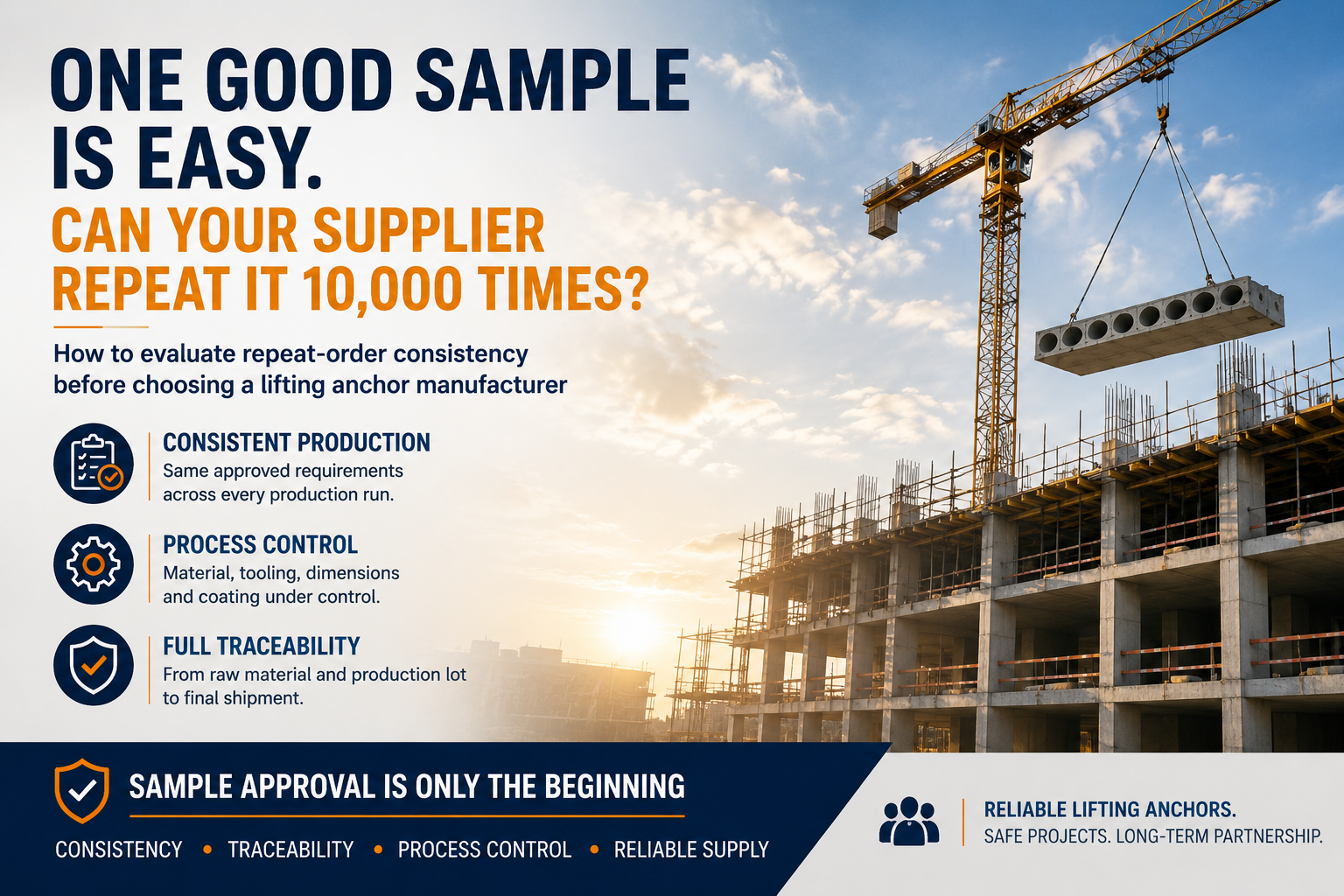
Consistency at Scale: A thousand identical fasteners must behave the same way, or system reliability is compromised.
These challenges mean industrial buyers look for factories capable of scaling precision, not just delivering volume.
How Factories Adapt Fasteners for Industry
To meet these demands, an industrial fasteners factory integrates advanced practices:
-
Material Selection: From alloy steels for load-bearing to stainless steels for corrosion resistance, and titanium for specialized lightweight strength.
-
Surface Treatments: Galvanizing, zinc-nickel, epoxy, or fluoropolymer coatings tailored to the environment.
-
OEM Customization: Non-standard geometries, engineered threads, or project-specific designs.
-
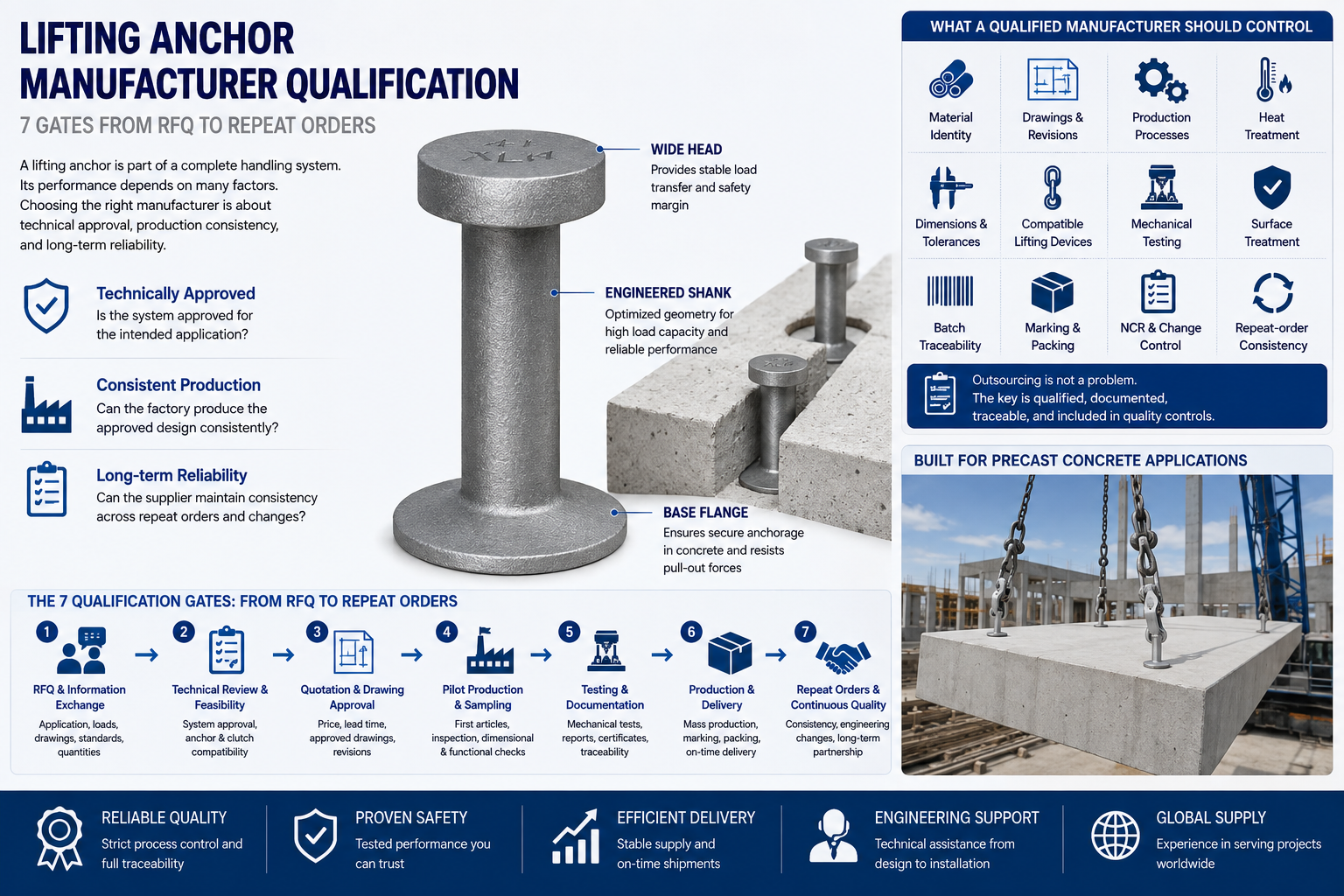
Testing and Certification: Tensile, fatigue, and salt-spray tests ensure compliance with ISO and ASTM standards.
-
Supply Integration: ERP-driven production schedules that align with industrial project timelines.
JINGLE’s Capabilities as an Industrial Fasteners Factory
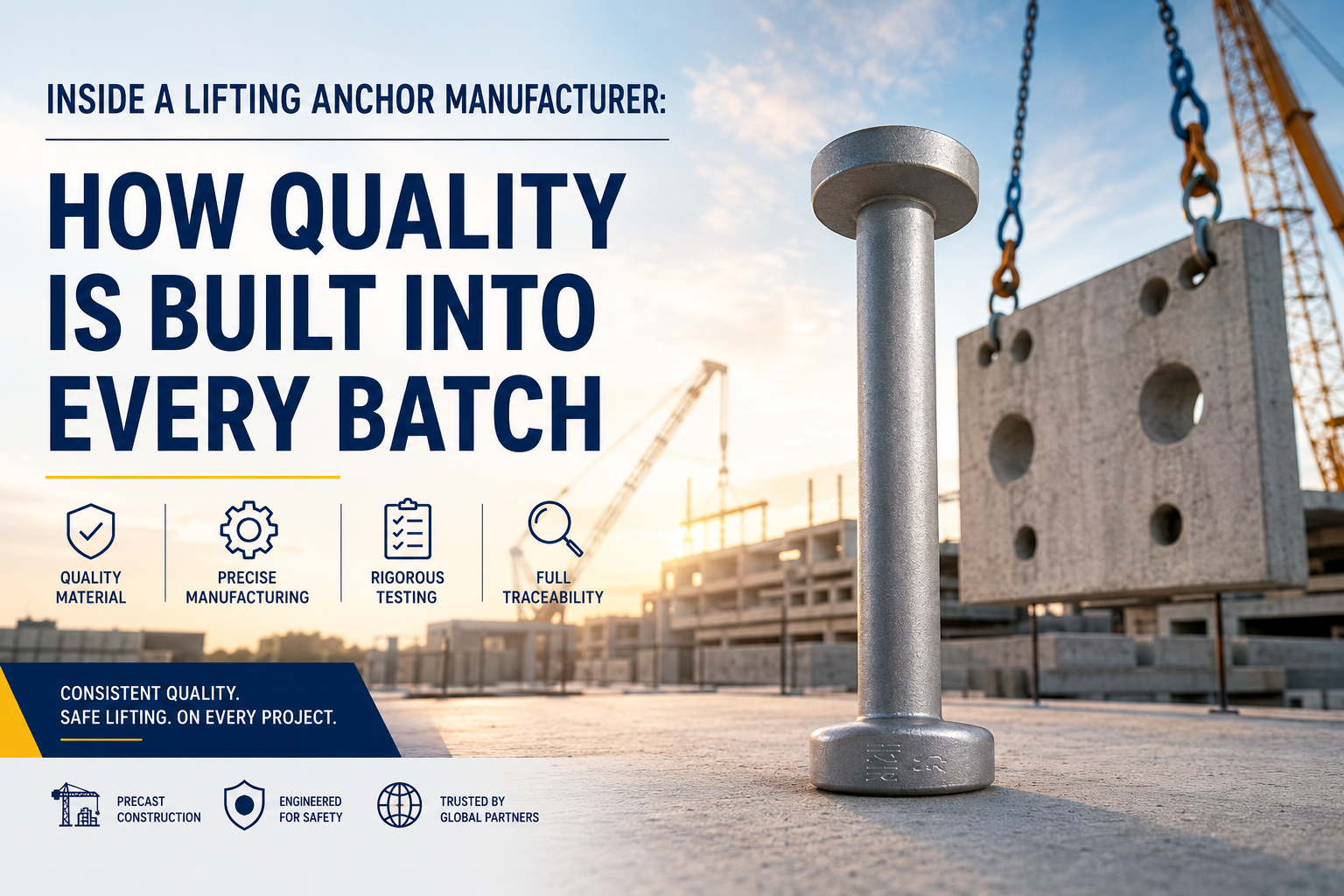
At JINGLE, the industrial factory model is built to deliver both strength and trust. The company integrates OEM design input, full material expertise, and strict testing protocols into every batch. This means a mining contractor in South America or a wind farm project in Europe can expect the same certified bolts, nuts, and rivets—traceable back to production.
With annual capacity exceeding 10,000 tons, JINGLE balances high-volume supply with precision engineering. Its certification to ISO and CE standards, along with in-house labs, makes it a dependable partner for distributors and contractors managing global projects.
Where Industrial Fasteners Make a Difference
-
Energy and Offshore: Wind turbines, refineries, and oil rigs rely on corrosion-resistant anchors and bolts.
-
Transport Infrastructure: High-speed rail and urban transit systems need fatigue-resistant fasteners.
-
Heavy Machinery: Mining and construction rigs demand components that withstand impact and vibration.
-
Large-Scale Structures: Bridges and tunnels require long-life anchors, often in non-standard dimensions.
These applications demonstrate that without industrial-level factories, many of today’s infrastructure and energy projects could not be built—or maintained safely.
Building Industrial Trust Through Factory Strength
Industrial projects measure success in decades, not months. That is why fasteners must deliver long-term reliability, not short-term fixes.
By combining OEM customization, certified production, and global logistics, JINGLE positions itself as an industrial fasteners factory that doesn’t just ship hardware—it provides the structural assurance that global industries rely on.
Learn how JINGLE supports industrial projects worldwide with OEM fasteners: Contact JINGLE.