DIN933 Hex Bolts Specification Guide
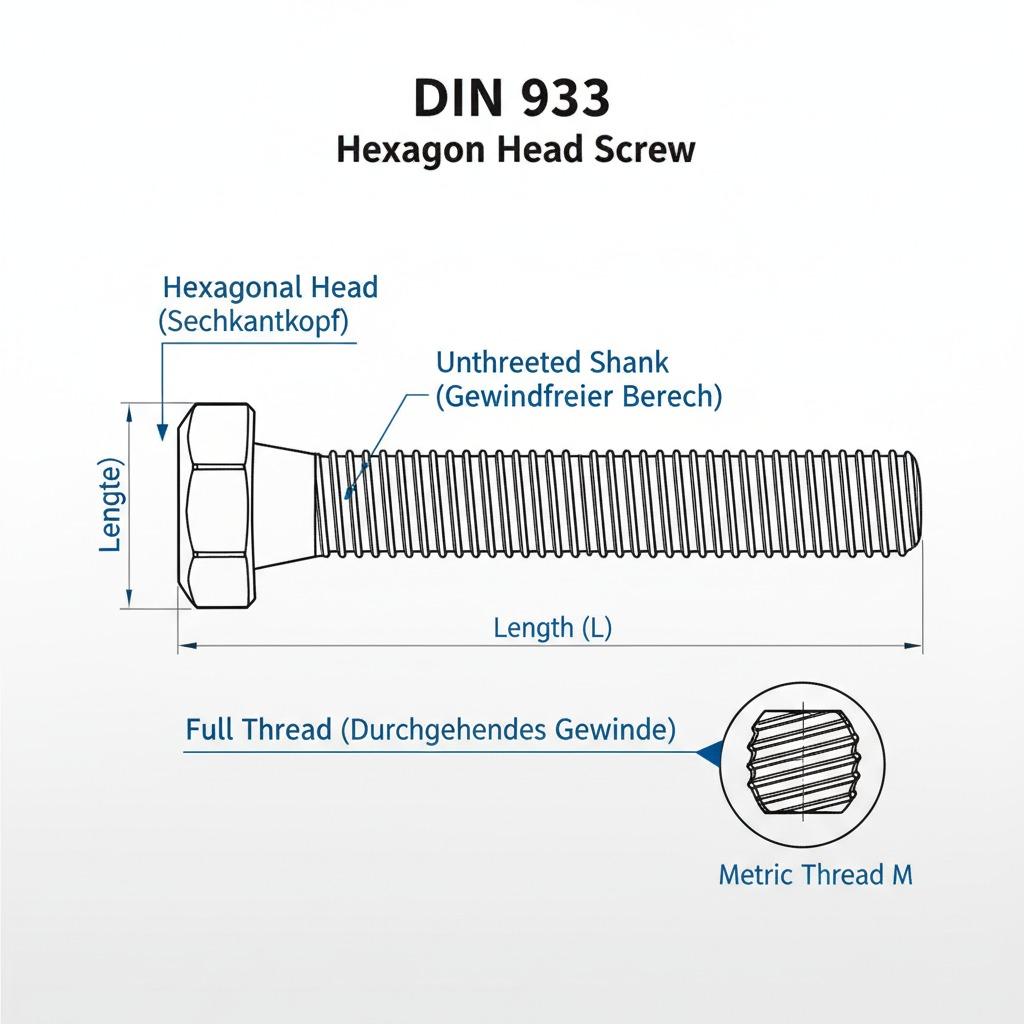
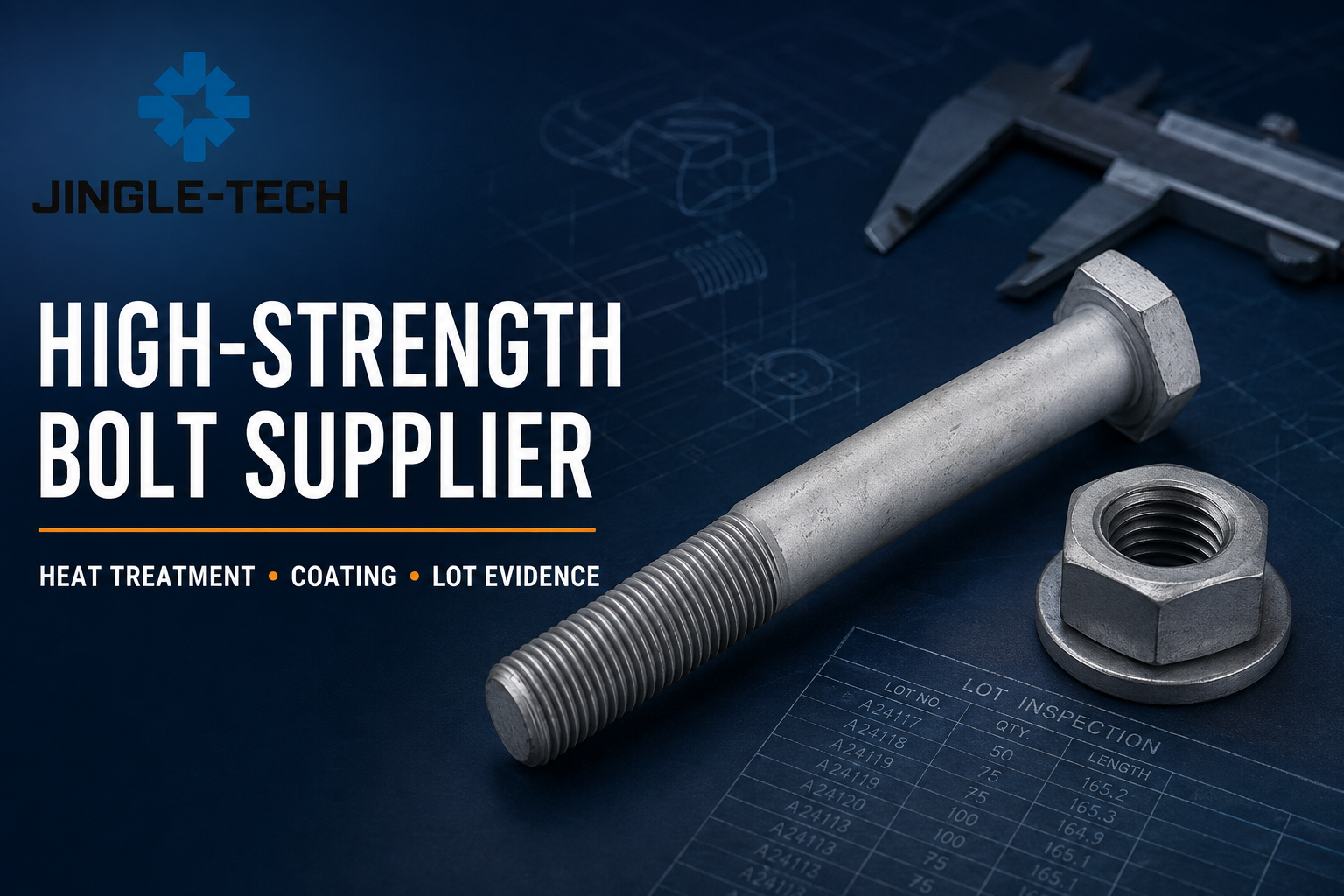
When it comes to fastening solutions in engineering and construction, the DIN933 Hex Bolts Specification Guide serves as an essential resource for professionals seeking reliable and standardized components. These bolts, characterized by their hexagonal heads and partial threading, are widely used in machinery, automotive applications, and structural assemblies due to their strength and versatility. Understanding the specifications outlined in the DIN 933 standard ensures that users select the right bolt for their project, preventing failures and enhancing safety. This guide delves into the key dimensions, materials, and compliance aspects to help you make informed decisions.
Understanding the DIN 933 Standard
The DIN 933 standard, established by the Deutsches Institut für Normung (German Institute for Standardization), defines hex head bolts with full or partial threads for general-purpose use. Unlike fully threaded options, DIN 933 bolts feature threading from the tip up to a certain point under the head, typically covering 1.5 to 2 times the diameter, depending on size. This design provides a strong, unthreaded shank for better tensile strength in shear-loaded joints. Bolts range from M1.6 to M64 in diameter, with lengths varying from 4mm up to several hundred millimeters. The head is hexagonal, allowing for wrench tightening, and the standard specifies tolerances for thread pitch, such as coarse (UNC equivalent) or fine series, to ensure compatibility with nuts and tapped holes. For instance, an M10 x 100 bolt under DIN 933 would have a 17mm across-flats head size and a thread pitch of 1.5mm.
Material and Strength Classes
Material selection is crucial in the DIN933 Hex Bolts Specification Guide, as it directly impacts performance. Common materials include carbon steel, alloy steel, stainless steel (like A2-70 or A4-80 grades), and even brass for corrosion-resistant environments. Strength classes are denoted by markings on the bolt head, such as 8.8 for medium-strength carbon steel (proof load 600 MPa, tensile 800 MPa) or 10.9 for high-strength alloy steel (proof 830 MPa, tensile 1040 MPa). Stainless variants offer excellent resistance to rust, making them ideal for marine or outdoor applications. Surface finishes like plain, zinc-plated, or hot-dip galvanized further enhance durability against environmental factors. It's important to match the bolt's class to the application's load requirements; for example, using a 4.6 class for light-duty tasks versus 12.9 for heavy machinery.
Dimensions and Tolerances
Detailed dimensions form the backbone of the DIN933 Hex Bolts Specification Guide. The standard provides precise measurements for thread diameter, pitch, head height, and width across flats and corners. For smaller sizes like M5, the head width is 8mm, while larger M20 bolts reach 30mm. Thread tolerances follow the 6g class for external threads, ensuring a medium fit. Length tolerances are ±0.2mm for short bolts up to ±2mm for longer ones, promoting interchangeability. The guide also covers shank diameter, which remains unthreaded and equals the nominal size, contributing to the bolt's clamping force. Always consult the standard's tables for exact specs, as variations can affect assembly precision.
Applications and Best Practices
In practice, DIN 933 hex bolts excel in scenarios requiring high torque and vibration resistance, such as in construction frameworks, engine mounts, and conveyor systems. To adhere to the DIN933 Hex Bolts Specification Guide, always verify compatibility with mating components and apply appropriate lubricants during installation to avoid galling, especially with stainless steel. Regular inspections for wear or corrosion are recommended, and for critical applications, consider certification from bodies like ISO to ensure quality. By following these guidelines, you can optimize joint integrity and extend the lifespan of your assemblies.
Conclusion
Mastering the DIN933 Hex Bolts Specification Guide empowers engineers and fabricators to select superior fasteners that meet rigorous demands. Whether for everyday repairs or complex builds, these bolts offer a balance of robustness and standardization. For the latest updates, refer to current DIN publications, as standards evolve to incorporate new technologies and safety enhancements.