Discover the ultimate durability: Stainless steel hose clamps
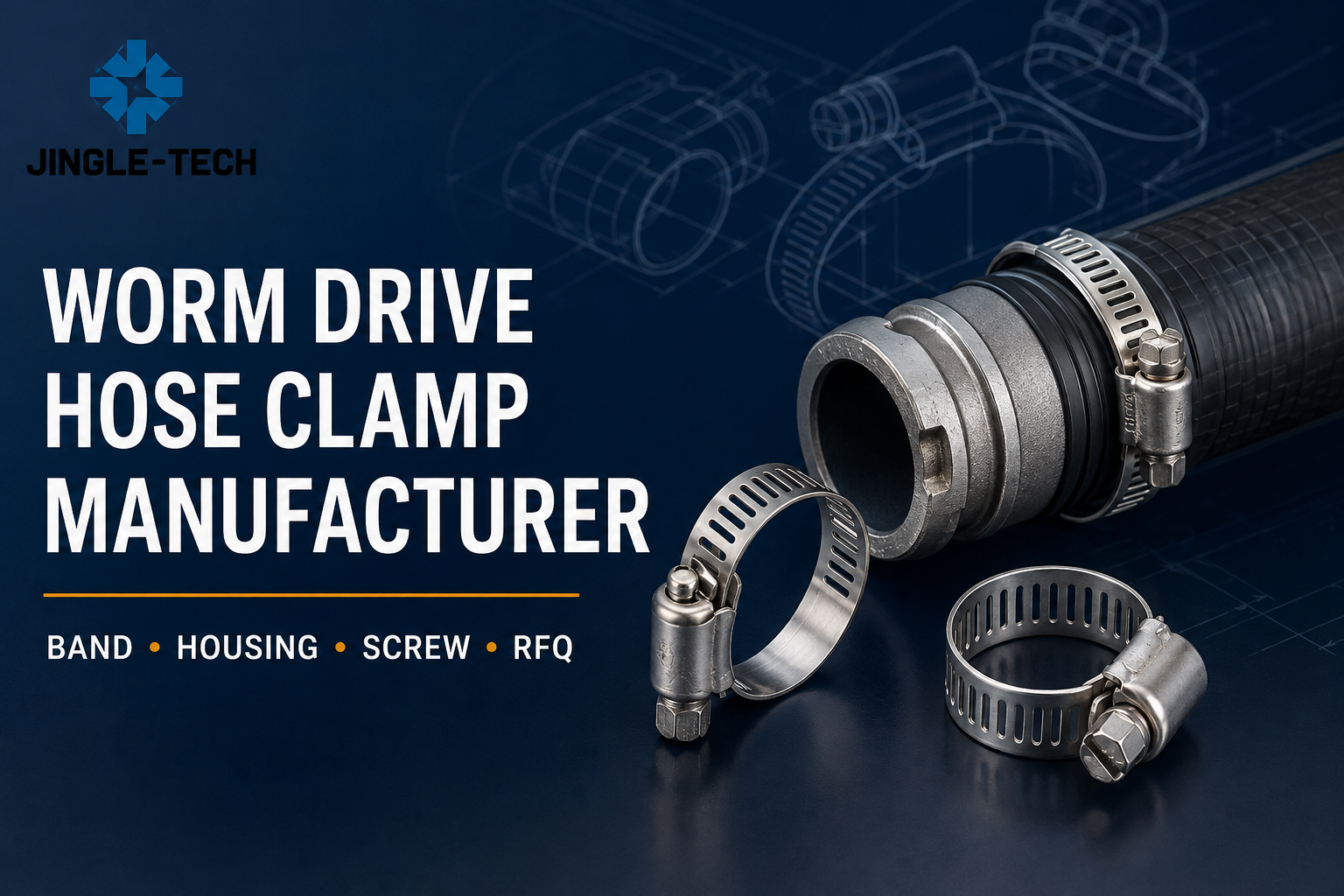
The *stainless steel hose clamps* are the ultimate solution when it comes to securing the hose in a reliable, robust and practical way. This innovative hardware accessory is a commitment to precision, durability and style that meets the needs of professional and DIY enthusiasts. The fixture is designed with high-quality stainless steel to ensure resistance to corrosion and rust, ensuring long-lasting performance even in the harshest conditions.
Excellent design and materials
*Stainless Steel Hose Clip*Equipped with an impeccable design, designed for functionality and safety. It is made of high-quality stainless steel with unparalleled wear resistance, ensuring reliability for long-term use. Its perforated strap with precise ridges ensures optimal grip and tightening, making it a reliable option for applications across pipeline, automotive, marine and industrial sectors. Unlike traditional fixtures, the smooth edges of the fixture prevent potential damage to the hose during installation, thereby increasing safety and accuracy.
In addition to its structural integrity, the tool also has a polished metal finish that blends modern aesthetics with practical engineering. The stylish design improves its appeal while keeping it lightweight and easy to handle and proves that industrial tools can be both functional and visually appealing.
Adaptiveness and Function
Settings *Stainless Steel Hose Clips *is its unparalleled adaptability. Whether you are securing the hose in a car engine, marine container or industrial setup, the fixture works seamlessly with a variety of diameters to provide sealing and leak-proof connections. Equipped with a durable screw mechanism, it simplifies the installation process. Adjusting the clamp is easy - just a screwdriver is enough to ensure a comfortable fit to withstand vibrations, pressures and fluctuating temperatures.
This user-friendly design alone can make it an important addition to any toolkit. The ability to maintain a safe and stable hose connection ensures operating efficiency and eliminates concerns such as leakage or hose damage.
The harmony of style and practicality
One of the outstanding features of this 100 stainless steel hose clamp is its combination of aesthetics and practical engineering. The polished metal finish not only enhances its appearance, but also makes it lightweight and easy to manage during use. Its design is both compact and powerful, an effective tool for professionals of precision and DIY enthusiasts who emphasize convenience without sacrificing quality.
If you want to upgrade the kit with high performance accessories, the *stainless steel hose clamp* is an extraordinary choice. Whether in a demanding professional environment or a casual DIY project, this fixture provides the reliability, elegance and functionality you need to succeed. This is not just accessories; it is an investment in reliable hardware with complete designs.
Select *stainless steel hose clamps* today and experience the ultimate blend of modern design and industrial grade performance!