Understanding the Basics of Each Type of Screw
When it comes to fastening materials together, selecting the right type of screw is essential for ensuring durability and functionality in any project. Whether you're a DIY enthusiast or a professional contractor, knowing the differences between various types of screws can make all the difference in the quality of your work. Screws are versatile fasteners designed for specific applications, from woodworking to metalworking, and understanding their characteristics helps in choosing the best one for the job.
Common Types of Screws for Woodworking
Wood screws are among the most frequently used types of screws, particularly for joining pieces of wood. These screws feature a coarse thread that provides strong grip without splitting the material. Deck screws, a popular variant, are designed for outdoor use and often come with corrosion-resistant coatings to withstand weather exposure. Another essential type is the lag screw, which is larger and heavier-duty, ideal for structural applications like attaching ledger boards to a house frame. When working on furniture or cabinetry, trim head screws offer a sleek finish by countersinking flush with the surface.
Metal and Machine Screws: Precision Fastening
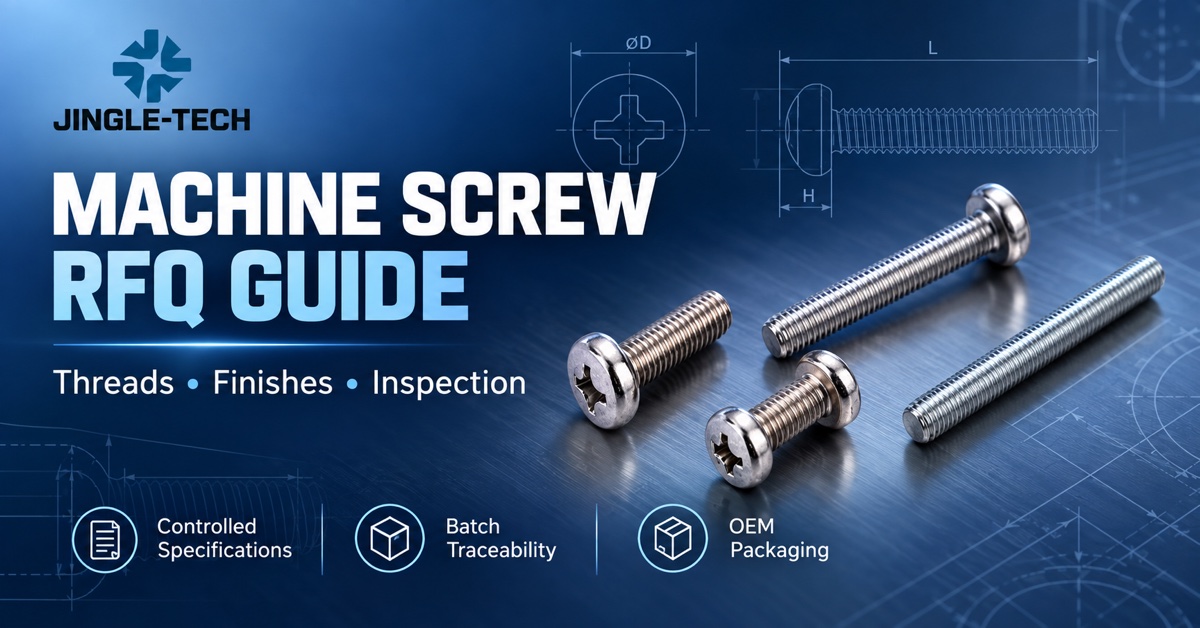
For projects involving metal, machine screws stand out as a key type of screw. These are typically used with nuts or tapped holes and come in various head styles like pan, flat, or oval to suit different needs. Sheet metal screws, on the other hand, are self-tapping, meaning they create their own threads in thin metal sheets, making them perfect for HVAC installations or automotive repairs. Self-drilling screws eliminate the need for pre-drilling, saving time in construction tasks. Each type of screw in this category ensures secure connections in machinery and electronics where precision is paramount.
Specialized Types of Screws for Unique Applications
Beyond general categories, there are specialized types of screws tailored for specific environments. Drywall screws, with their fine threads and sharp points, are engineered to hold gypsum board without damaging the paper facing. Concrete screws, often called tapcons, are hardened for anchoring into masonry, providing robust hold in construction projects. In marine settings, stainless steel screws resist rust from saltwater exposure. Additionally, set screws secure objects within or against another object, commonly used in pulleys or knobs without a protruding head. Exploring these types of screws reveals their role in everything from aerospace to household repairs.
Choosing the Right Type of Screw for Your Project
Selecting the appropriate type of screw depends on factors like material, load requirements, and environmental conditions. Always consider the screw's length, diameter, and thread pitch to match your application's demands. For instance, using the wrong type of screw can lead to failures, such as stripping or loosening over time. By familiarizing yourself with various types of screws, you enhance safety and efficiency in your endeavors. Whether stocking your toolbox or planning a build, a solid understanding of these fasteners empowers better decision-making and superior results.