Why the right drywall screw source matters
If you are comparing a Fine Thread Drywall Screw Manufacturer, you are probably not shopping for fasteners in the abstract. You are trying to avoid stripped gypsum, weak pull-through performance, broken bits, and the kind of install delays that show up only after a crew is already on site. Drywall screws look simple, but the thread style, point geometry, coating, and drive consistency all affect how smoothly the job goes and how well the board stays put.
For engineers, sourcing managers, and product teams, the real question is not just whether a screw meets a broad category. It is whether that screw matches the substrate, the framing material, and the installation method. Fine thread and coarse thread options are often spoken about as if they are interchangeable. They are not. The wrong call can mean spinning fasteners in steel studs, overdriving in soft board, or asking installers to compensate with extra labor.
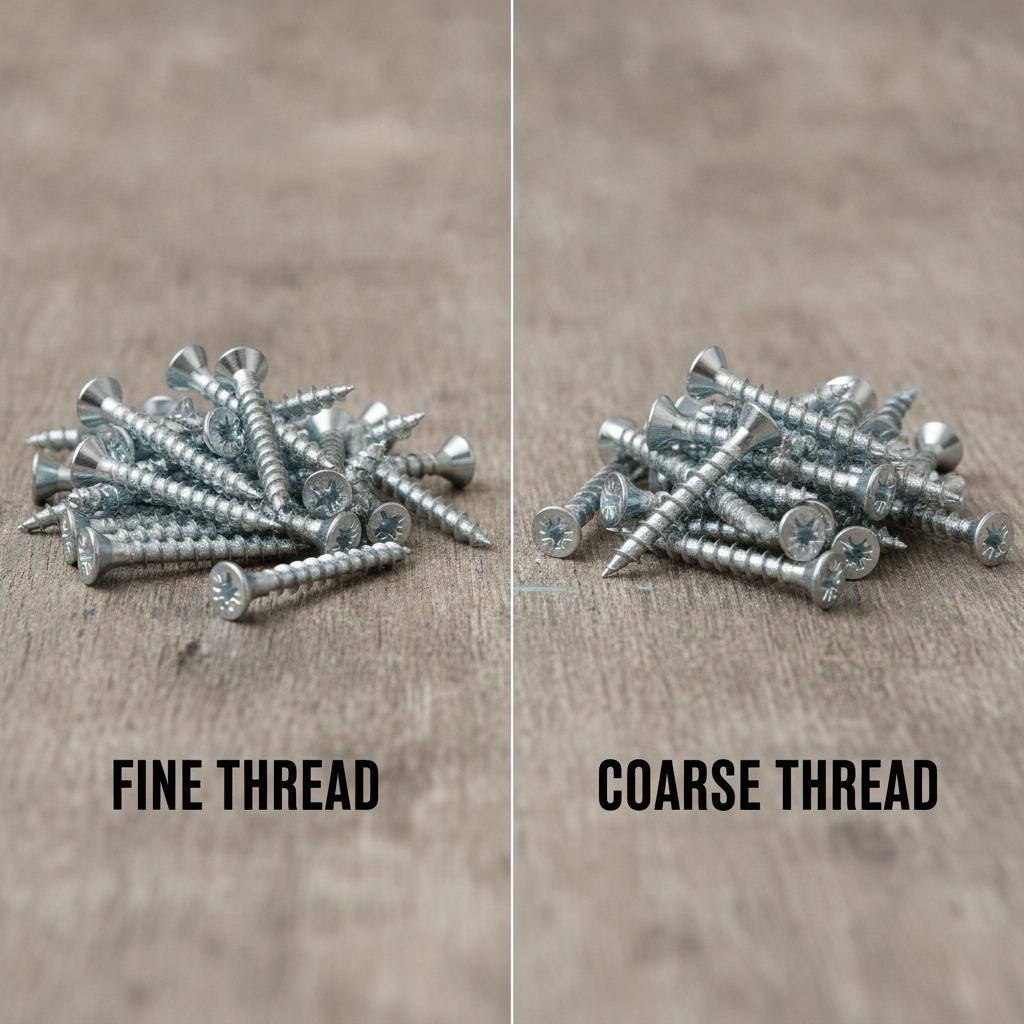
Fine thread versus coarse thread: what actually changes
Fine thread drywall screws are commonly used where the framing is metal. The finer pitch helps them bite into steel studs more predictably and reduces the chance of cam-out during driving. They are typically favored for smoother, more controlled fastening when the base material is dense or unforgiving.
By contrast, a Coarse Thread Drywall Screw Supplier is usually relevant when the job calls for fastening into wood framing. Coarse threads tend to grab wood fibers faster and can provide a more aggressive hold. That makes them practical for traditional wood-stud wall and ceiling work.
The distinction sounds basic, but buyers still get it wrong when purchasing for mixed projects. A contractor might use steel in one area and wood in another. A distributor may be supplying multiple trades with one fastener family. In those cases, the right vendor is one that can support both patterns and clearly distinguish use cases instead of blurring them together.
What buyers should look at beyond the thread pattern
Thread style is only one part of the decision. A serious fastener spec review should also cover head style, drive type, point style, and coating. These details influence installation speed and long-term reliability more than many teams expect.
Head and drive consistency
A drywall screw that does not seat cleanly can slow a crew down immediately. If the recess is inconsistent, installers fight bit slip and over-torque. That is especially frustrating in high-volume work where thousands of screws may be driven in a day.
Coating and corrosion resistance
Drywall screws are not usually selected for decorative exposure, but coating still matters. The environment, the framing material, and the moisture level in the building all affect the acceptable finish. Buyers should be careful here; not every coating is suitable for every interior application, and a generic spec sheet may not tell the whole story.
Packaging and feed performance
For collated screws, feed reliability matters as much as holding power. Jams, misfeeds, and inconsistent strip alignment waste time and can create quality problems on fast-moving jobs. If your operation uses automatic drivers, ask how the screws behave in real production conditions, not just in a catalog photo.
Quick buyer guide for sourcing teams
When evaluating a manufacturer or supplier, start with the application, then work backward to the fastener design. That order saves time.
Use fine thread screws when the substrate is metal and the installation needs controlled engagement. Use coarse thread screws when the frame is wood and aggressive bite is more useful. If a project involves both, it is usually safer to standardize by zone rather than force one screw type across every wall.
Ask for clear product labeling, material descriptions, and application guidance. If a vendor cannot explain where the screw should be used, that is a sign to slow down. In fasteners, vague product language often becomes a field problem later.
Common mistakes that cause problems on site
One common mistake is buying by price alone. A lower unit cost can disappear quickly if installers need to slow down, swap bits, or rework popped boards. Another is assuming all drywall screws are interchangeable because they look similar in a box. The visual difference is small; the functional difference is not.
Another practical issue is over-specifying for the job. Some teams chase premium features that do not improve the actual installation. Others underspecify and ignore the basics. The right balance is usually the most boring one: a screw that matches the framing, drives cleanly, and arrives in consistent lots.
Why manufacturer selection affects more than procurement
Choosing a Fine Thread Drywall Screw Manufacturer is not just a purchasing task. It affects assembly speed, installer comfort, scrap rates, and even customer complaints after handoff. For distributors, it also affects whether product descriptions are easy to sell without a lot of technical explanation.
Good sourcing decisions reduce variation. They make it easier for crews to trust the fastener and for procurement teams to reorder without second-guessing every line item. That matters more than it sounds, especially on repeat building programs where consistency is worth more than a small unit-price advantage.
Practical next step for buyers
If you are comparing suppliers, build a simple checklist around substrate, thread type, drive performance, coating, and packaging. Then ask each vendor to map the screw to the exact job conditions you care about. The goal is not to collect brochures. It is to narrow the field to the fastener that will actually work on site.
For teams balancing wood and metal framing projects, it often helps to evaluate both fine thread and coarse thread options together. That gives procurement and operations a cleaner view of where each product fits, and it reduces the chance of mismatched inventory later.