How to Evaluate a High Tensile Structural Bolts Supplier Without Getting Burned

If you are sourcing for bridges, steel buildings, towers, heavy equipment frames, or any joint where failure is not an acceptable outcome, choosing a high tensile structural bolts supplier is not a box-ticking exercise. The bolt is a small part on paper and a large part in service. It has to carry clamp load, survive installation abuse, and stay reliable long after the crew has left the site. That is why buyers, engineers, and project managers usually need more than a price sheet. They need a supplier that can consistently support the right material, grade, thread form, finish, and documentation for the job.
The real question is not simply who can ship bolts. It is who can supply structural fasteners that fit the project specification, arrive with the right paperwork, and behave predictably in installation. That decision affects schedule risk, rework, and, in the worst cases, structural integrity.
What Makes Structural Bolts Different
Structural bolts are not generic high-strength fasteners with a new label. They are typically specified for load-bearing steel connections where clamp force and consistency matter. In practice, that means the buyer should pay attention to more than nominal diameter and length.
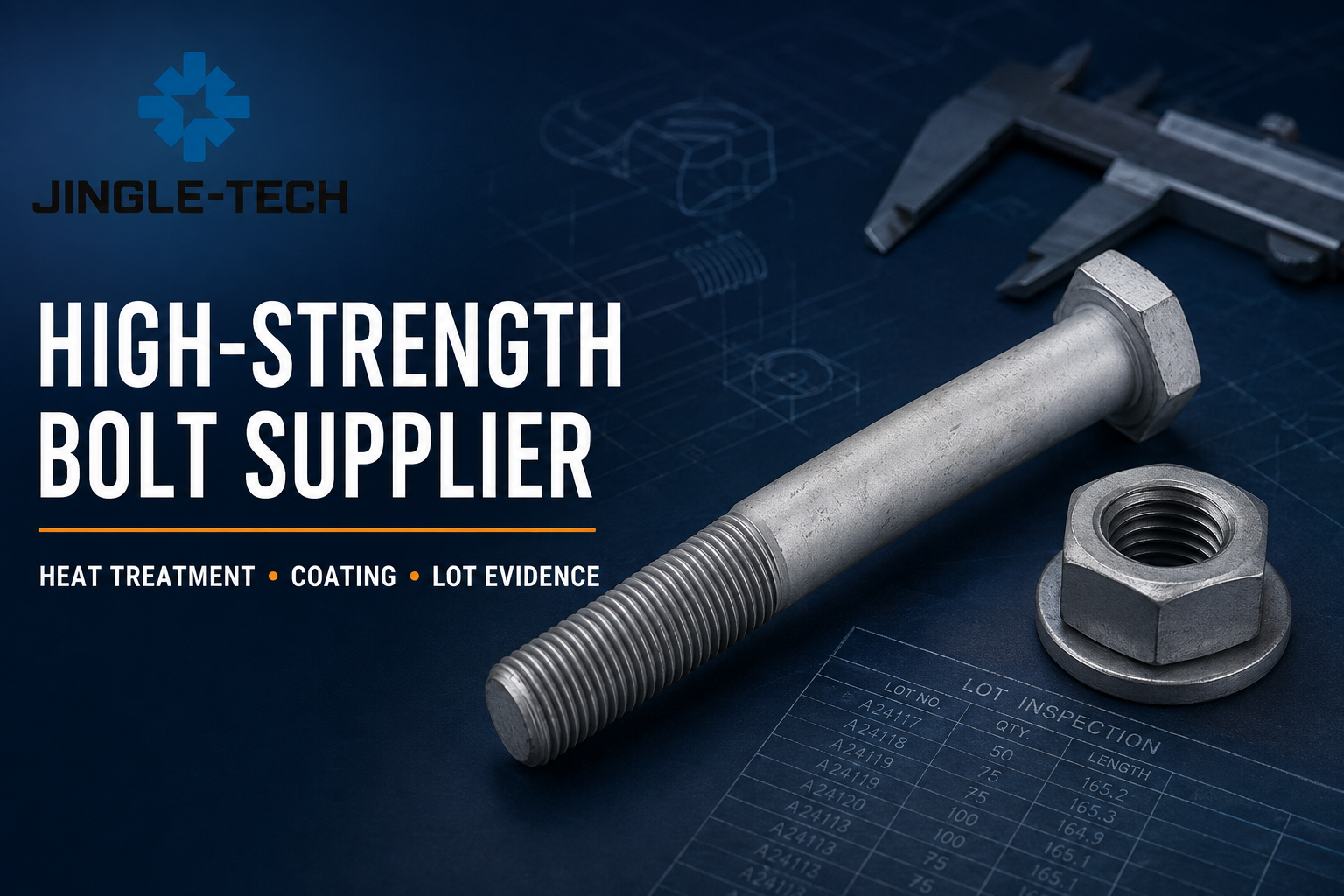
A proper supply conversation usually includes bolt grade or property class, heat treatment, thread type, and coating or corrosion protection. It also includes how the bolts will be used: slip-critical joints, tension applications, weather exposure, or assembly in controlled fabrication shops versus field installation. Those details shape what kind of product is appropriate.
One practical caution: if a supplier treats structural bolts like ordinary hardware, that is usually a sign to keep looking.
Quick Buyer Checklist
Before comparing quotations, it helps to separate the must-haves from the nice-to-haves.
Key points to verify
- Material and grade match the design specification
- Threading and dimensions are suitable for the intended connection
- Surface finish or coating fits the environment
- Traceability and documentation are available when required
- Packaging protects threads and coatings in transit
- The supplier can support repeat orders without drifting on quality
The details sound obvious, but many sourcing problems start when a buyer assumes “high strength” is enough. It is not. A bolt that is strong in the abstract may still be wrong for a specific structural application if its dimensions, coating, or installation behavior do not line up with the project.
How a Supplier Should Be Evaluated
A reliable high tensile structural bolts supplier should be judged on process control as much as on product claims. In other words, ask how they make sure the bolts you receive today look and perform like the ones you approved last quarter.
That usually means reviewing the supplier’s manufacturing route, inspection discipline, and ability to maintain consistency across batches. For engineered fasteners, stability matters. A small variation in thread quality or surface condition can create real assembly friction in the field, especially when crews are working to a tight installation sequence.
Buyers should also ask how the supplier handles custom requirements. Not every project needs a standard off-the-shelf bolt. Some jobs call for specific lengths, coatings, head markings, or documentation packages. A supplier worth considering will be able to explain what is standard, what is customizable, and what changes may affect lead time or cost.
Common Mistakes Buyers Make
The first mistake is focusing only on unit price. With structural fasteners, a lower quote can hide downstream costs: sorting problems, coating damage, rejected lots, or site delays.
The second mistake is buying without confirming compatibility with the connection design. A bolt that looks close enough may still be wrong for the hole pattern, plate thickness, or installation method.
The third mistake is overlooking packaging and transit handling. Structural bolts can arrive cosmetically damaged even when the metal is sound. That matters, because damaged threads and compromised coatings slow down installation and create avoidable disputes.
A smaller but recurring issue is assuming every supplier uses the same quality language. They do not. If a claim is vague, ask for clarification in plain terms.
What Good Procurement Teams Ask For
Engineers and sourcing managers tend to converge on the same questions once a project gets serious:
- Can the supplier support the exact bolt specification?
- Are the bolts suitable for the intended structural application?
- What inspection or traceability documents are provided?
- Can the supplier maintain batch consistency across repeat orders?
- What customization is available if the project needs nonstandard lengths or finishes?
Those questions are not red tape. They are the simplest way to reduce risk before materials reach the shop floor or the jobsite.
When Customization Matters
Not every project can rely on standard inventory. Large structures, retrofit work, and special-purpose assemblies often need bolt dimensions or surface protection tailored to the environment. In that case, the best supplier is usually the one that can explain the trade-offs clearly instead of promising everything at once.
That is especially important for buyers working across fabrication, logistics, and installation teams. A slightly different finish or thread configuration can be manageable if everyone knows it in advance; it becomes a problem only when the warehouse and the field crew are reading different assumptions.
FAQ for Buyers
Should I choose the cheapest structural bolt supplier?
No. For structural applications, the lowest price can carry hidden risk if quality control, documentation, or packaging is weak.
Do I need custom bolts for every project?
Not always. Many projects use standard structural fasteners. Customization is only worth pursuing when the design, environment, or assembly method requires it.
What is the most important supplier capability?
Consistency. A supplier that can repeat the same product quality, batch after batch, is usually more valuable than one that makes bold claims.
Choosing the Next Supplier
If you are shortlisting a high tensile structural bolts supplier, start with the application, not the catalog. Match the bolt to the joint, then test the supplier’s ability to support that specification with clear communication and dependable delivery. For structural work, a good purchasing decision is usually the one that creates the fewest surprises later.
If you are comparing options now, build a simple supplier scorecard around specification fit, documentation, consistency, and responsiveness. That is often enough to separate the dependable partners from the ones who only look competitive on the first quote.