Understanding the Basics of Importing Fasteners from China
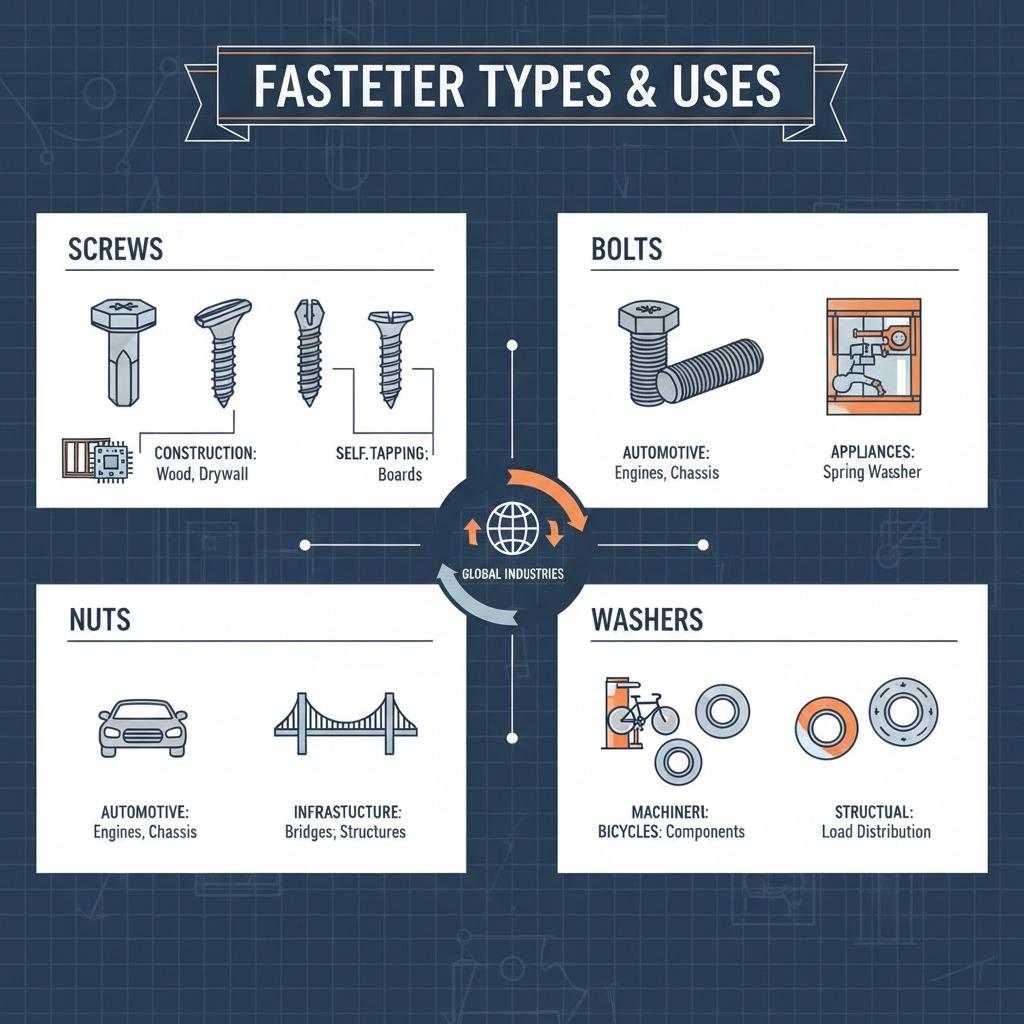
Importing fasteners from China has become a popular choice for businesses worldwide due to the country's vast manufacturing capabilities and competitive pricing. Fasteners, which include items like screws, bolts, nuts, and washers, are essential components in industries such as construction, automotive, and electronics. If you're wondering how to import fasteners from China, the process involves several key steps to ensure a smooth and compliant transaction. Start by researching reliable suppliers through platforms like Alibaba or by attending trade shows. This initial step helps you identify manufacturers who specialize in high-quality, customizable fasteners that meet international standards.
Finding and Vetting Suppliers
Once you've identified potential suppliers, the next phase in how to import fasteners from China is thorough vetting. Verify the supplier's credentials by checking for certifications like ISO 9001, which ensures quality management. Request samples to assess the durability and precision of the products. It's also crucial to conduct due diligence on the supplier's reputation via reviews, references, and possibly a third-party inspection service. Negotiate terms including pricing, minimum order quantities, and lead times to align with your business needs. Building a strong relationship with the supplier can lead to long-term partnerships and better deals.
Navigating Logistics and Shipping
Logistics play a pivotal role in how to import fasteners from China successfully. Choose between air freight for urgent, smaller shipments or sea freight for bulk orders to optimize costs. Partner with a freight forwarder experienced in China exports to handle documentation like the commercial invoice, packing list, and bill of lading. Be prepared for shipping times that can range from 20 to 45 days depending on the method and destination. Track your shipment in real-time to avoid delays and ensure timely arrival at your port.
Handling Customs, Compliance, and Payments
Compliance is non-negotiable when learning how to import fasteners from China. Familiarize yourself with import regulations in your country, including tariffs, duties, and safety standards such as those from ASTM or DIN for fasteners. Engage a customs broker to streamline clearance and avoid penalties. For payments, use secure methods like letters of credit or escrow services to protect against fraud. Factor in additional costs like insurance and inland transportation to budget accurately.
Tips for a Successful Import Experience
To enhance your strategy on how to import fasteners from China, consider visiting the supplier's factory if feasible, or hire inspectors for on-site audits. Stay updated on trade policies, as tariffs can fluctuate. Diversify your supplier base to mitigate risks from supply chain disruptions. By following these steps, businesses can efficiently source high-quality fasteners, reduce costs, and boost operational efficiency. With China's robust supply chain, importing fasteners opens doors to scalable growth opportunities.