Introduction to lifting clutch lifting anchor
Reliability and safety are crucial in heavy material handling in construction and infrastructure projects. A lifting clutch that lifts the anchor is an essential tool designed to address these challenges with precision and efficiency. This excellent device ensures safe lifting and handling of precast concrete elements, making it a key component of industrial applications.
Unparalleled strength and durability
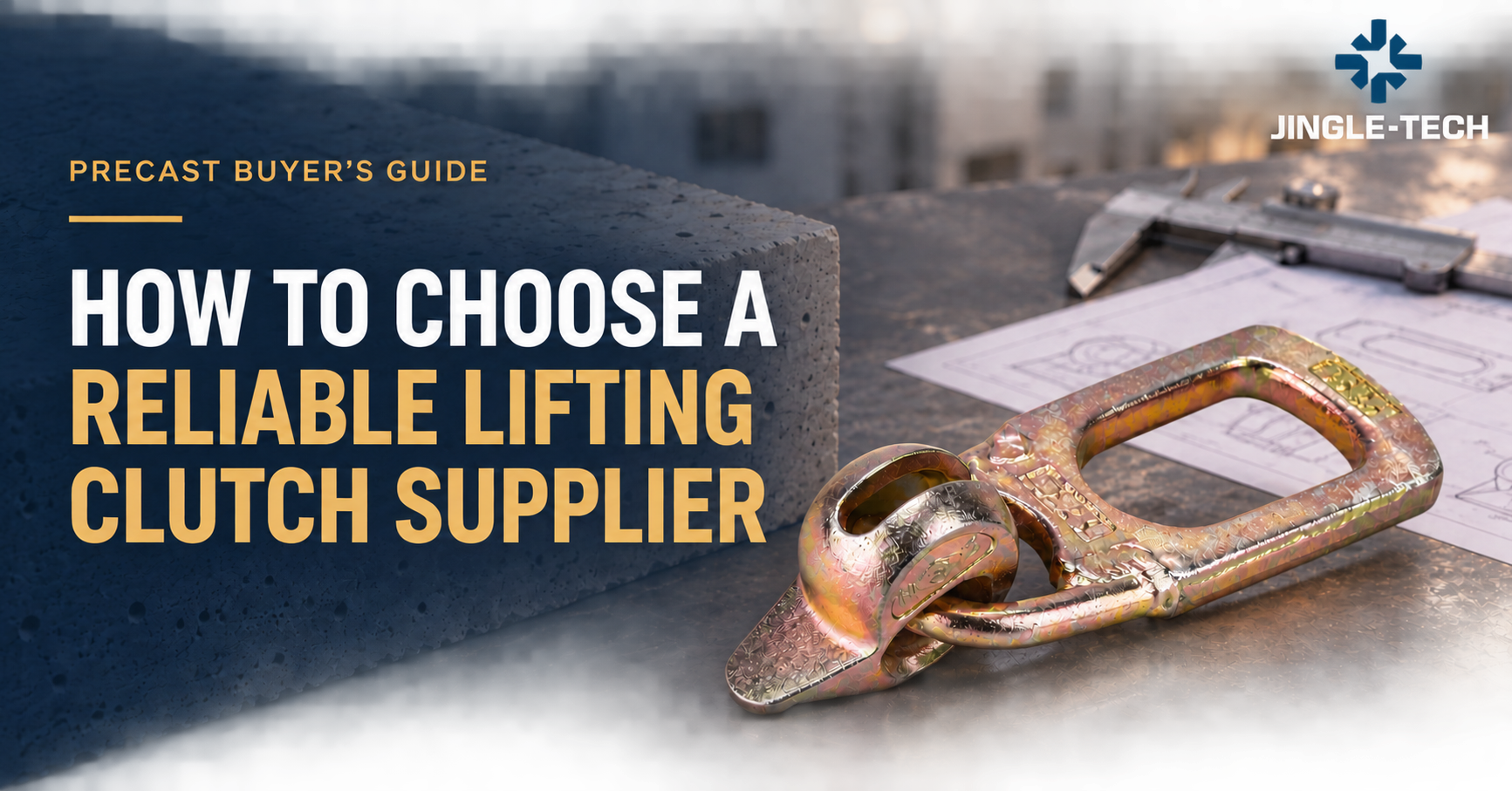
One of the outstanding features of a clutch lifting system is its composition. These hooks are made of ultra-durable, load-rated alloy steel designed to endure the most demanding lifting conditions. High-strength materials ensure maximum life and reliability during operation and promise to allow operators to handle heavy loads with peace of mind. What sets these lift clutches apart is their powerful ergonomic U-shaped design that integrates seamlessly with chains or slings, allowing users to work hard to secure concrete blocks, beams or similar materials.
In addition, painting the hook into a vibrant red for high vision is an important feature of safety in a busy industrial environment. This not only adds to the functional aspect, but also provides a professional aesthetic for the device. Whether lifted vertically or at an angle, the system excels in effectively distributing weight while maintaining balance, minimizing strain on lifting equipment and concrete structures.
Innovative interlocking system for safe processing
The core of the lift clutch design is its advanced interlocking mechanism. The clever contour latch system ensures that the hook is securely held onto the precast concrete element, minimizing the risk of slipping even under severe load conditions. This precise engineering latch provides peace of mind during operation and maintains consistent performance in a variety of environments.
When used in conjunction with heavy crane systems, the chain links connected to the hook ensure a smooth and effective lifting process. This compatibility further enhances the versatility of the system, allowing it to seamlessly adapt to a variety of industrial applications. Operators can not only trust the system's technical capabilities, but also strictly abide by international improvement standards.
Performance and Style in Design
It is not only a functional tool, but the lift clutch used to lift the anchor combines excellent performance with a thoughtful design. Hooks prove the proof of engineering sophistication, they are intuitive, aesthetically pleasing and very effective. Whether you are building infrastructure, moving large amounts of concrete blocks, or dealing with other heavy-duty material handling tasks, the system delivers unwavering reliability and best results.
Abstract, the lift clutch that lifts the anchor is more than just equipment. It is a symbol of innovation in material processing, redefining how architectural and industrial projects achieve efficiency, safety and reliability. Combining strength, style and practicality, the system ensures that every lift can be executed accurately and confidently.