Understanding the M8 Stainless Steel Washer for Outdoor Bolts
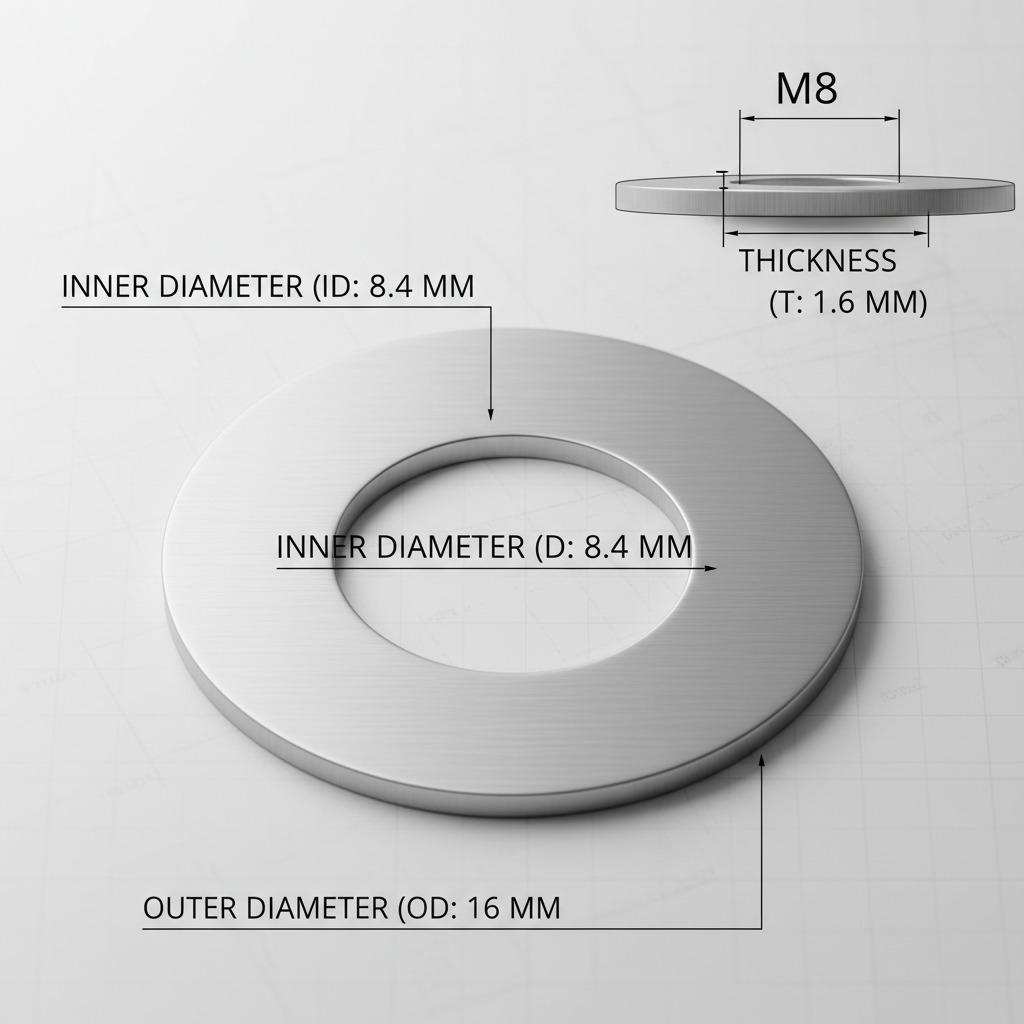
When it comes to securing outdoor structures, choosing the right hardware is crucial for longevity and reliability. The M8 stainless steel washer for outdoor bolts stands out as an essential component, providing robust support and protection against harsh environmental elements. This type of washer, sized to fit M8 bolts, is designed to distribute load evenly, preventing damage to surfaces and ensuring a tight, secure fit in applications like decking, fencing, or machinery exposed to the elements.
Why Choose Stainless Steel for Outdoor Applications?
Stainless steel is renowned for its exceptional corrosion resistance, making the M8 stainless steel washer for outdoor bolts ideal for use in wet, humid, or coastal environments. Unlike standard steel washers that rust quickly when exposed to moisture, stainless steel contains chromium, which forms a protective oxide layer that shields it from oxidation. This durability ensures that your outdoor bolts remain secure over time, reducing the need for frequent replacements and maintenance. In rainy climates or areas with high salt exposure, such as near the ocean, this washer prevents galvanic corrosion when paired with compatible bolts, extending the lifespan of your entire fastening system. Moreover, stainless steel washers are non-magnetic and maintain their strength without becoming brittle, which is vital for safety in load-bearing outdoor setups.
Key Features and Specifications of the M8 Size
The M8 designation refers to the metric size, where the inner diameter matches an 8mm bolt shank, offering versatility for a wide range of outdoor projects. Typically, these washers have an outer diameter of around 16-18mm and a thickness of 1.6mm or more, providing ample surface area to prevent pull-through on softer materials like wood or plastic. For outdoor bolts, the M8 stainless steel washer for outdoor bolts is often made from grade 304 or 316 stainless steel; grade 316 is particularly recommended for marine environments due to its higher molybdenum content, which enhances resistance to pitting and crevice corrosion. These washers are flat and plain, ensuring easy installation with standard tools, and they comply with standards like DIN 125 for quality assurance. Their smooth finish minimizes friction during tightening, allowing for precise torque application without stripping threads.
Installation Tips and Best Practices
Proper installation of the M8 stainless steel washer for outdoor bolts can make all the difference in performance. Always place the washer between the bolt head or nut and the material surface to distribute pressure evenly and avoid embedding into the substrate. For outdoor use, ensure the washer is clean and free of debris before assembly, and use anti-seize compounds if needed to prevent seizing in high-heat areas. It's also important to match the washer material with the bolt to avoid dissimilar metal corrosion—stick to stainless steel throughout. Regularly inspect installations for signs of wear, especially after severe weather, to maintain integrity. In construction or DIY projects, combining these washers with weatherproof sealants can further enhance protection against water ingress.
Applications and Benefits in Real-World Scenarios
From building sturdy garden pergolas to securing solar panel mounts, the M8 stainless steel washer for outdoor bolts finds use in countless scenarios where reliability is paramount. In agricultural settings, they secure equipment against soil and moisture exposure, while in urban landscaping, they hold together railings and gates without unsightly rust stains. The benefits extend to cost savings, as their longevity reduces downtime and repair costs compared to inferior alternatives. Environmentally, stainless steel is recyclable, aligning with sustainable building practices. Whether you're a professional contractor or a homeowner tackling weekend projects, incorporating this washer ensures your outdoor bolts perform optimally, safeguarding your investments against the unpredictable forces of nature.