Understanding the Basics of How to Use a Hose Clamp
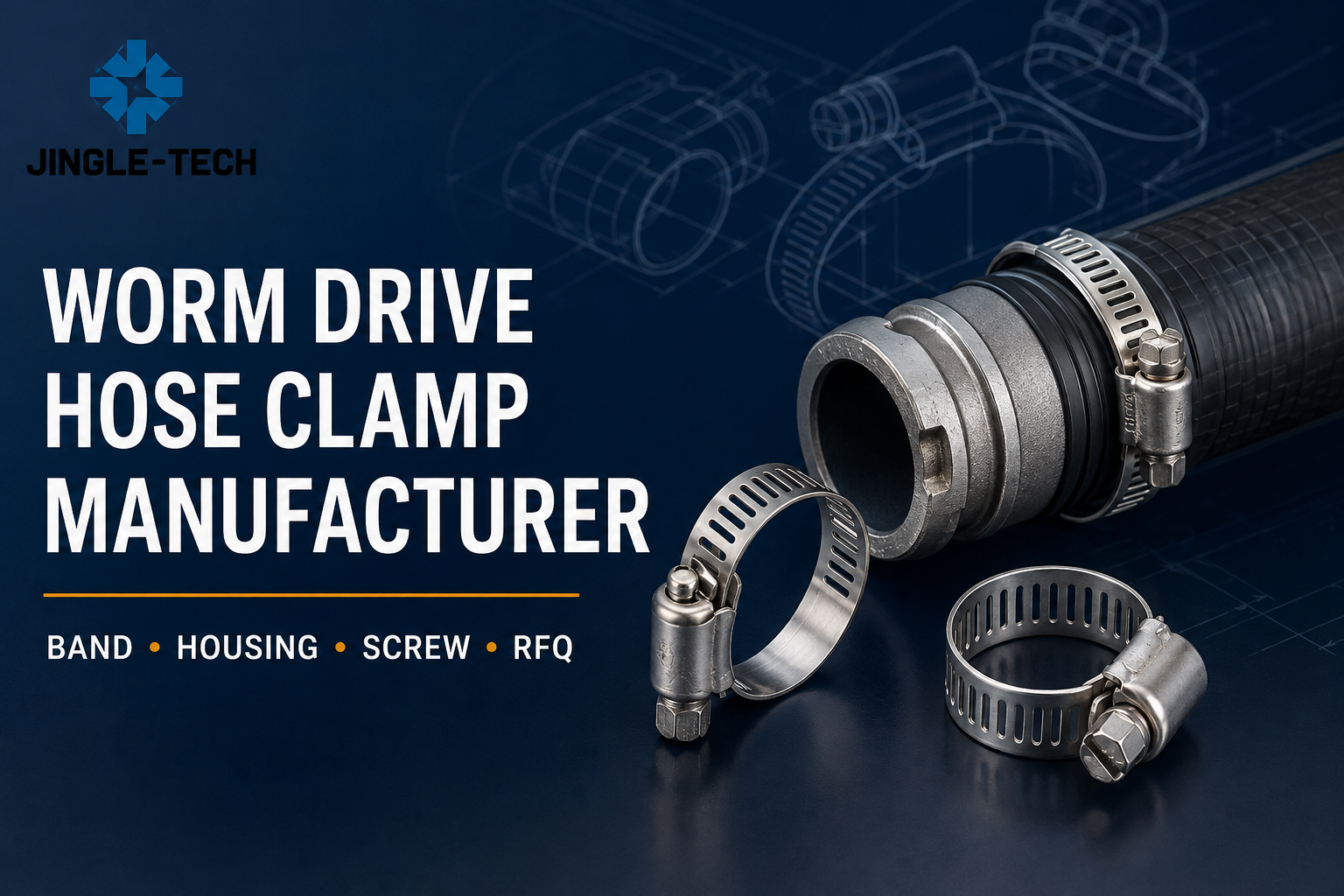
Hose clamps are essential tools in plumbing, automotive, and gardening applications, providing a secure way to fasten hoses to fittings. If you're wondering how to use a hose clamp effectively, the process begins with selecting the right size for your hose diameter. Measure the hose's outer diameter and choose a clamp that can tighten to that size without being too loose or too tight initially. Slide the clamp onto the hose before attaching it to the fitting, ensuring it's positioned where the hose meets the barb or nozzle. This initial setup prevents slippage and ensures a watertight seal.
Once positioned, you'll need to tighten the clamp using a screwdriver or socket wrench, depending on the type—worm gear clamps use a slotted screw, while spring clamps require pliers. Turn the screw clockwise to constrict the band around the hose, applying even pressure. Avoid over-tightening, as this can damage the hose or fitting; aim for a firm grip that withstands the system's pressure without leaks. For high-pressure applications, like in engine cooling systems, double-check the torque specifications provided by the manufacturer.
Step-by-Step Guide on How to Use a Hose Clamp Properly
To master how to use a hose clamp, follow these detailed steps. First, prepare your workspace by cleaning the hose end and fitting to remove any debris or old sealant that could interfere with the seal. Insert the hose onto the fitting, pushing it as far as possible for maximum contact. Place the hose clamp over the hose, aligning it so the screw is accessible and the band sits perpendicular to the hose length.
Next, insert the screwdriver into the screw head and rotate it steadily. As you tighten, monitor the gap in the band—it should close gradually until the hose is snug against the fitting. A good rule of thumb is to tighten until you feel resistance, then give it an additional quarter turn. Test the assembly by running water or fluid through the system at low pressure first, inspecting for drips. If leaks occur, loosen and reposition the clamp slightly before retightening. For reusable clamps like worm-drive types, this adjustment is straightforward, but always inspect for wear after use.
Common Mistakes and Tips When Learning How to Use a Hose Clamp
One frequent error when figuring out how to use a hose clamp is placing it too far from the fitting's edge, which can lead to the hose slipping off under pressure. Position it about 1/8 to 1/4 inch from the hose end for optimal hold. Another pitfall is using the wrong tool, such as a powered driver, which might strip the screw—stick to manual tools for precision.
For durability, choose stainless steel clamps in corrosive environments, like marine or outdoor settings, to prevent rust. In automotive repairs, such as replacing radiator hoses, ensure the engine is cool before installation to avoid burns. Regularly inspect clamps for signs of fatigue, like cracks in the band, and replace them promptly. By avoiding these mistakes, you'll extend the life of your hoses and fittings.
Advanced Applications and Maintenance for Hose Clamps
Beyond basic use, understanding how to use a hose clamp in specialized scenarios enhances your DIY skills. In irrigation systems, multiple clamps might secure drip lines, requiring even spacing for balanced flow. For heavy-duty tasks, like securing fuel lines, opt for heavy-duty clamps rated for the fluid type and pressure. After installation, periodic checks are crucial—loosen and retighten seasonally to account for thermal expansion in hoses.
Maintenance involves cleaning clamps after removal; soak in soapy water to remove residue, then dry thoroughly to prevent corrosion. Store them in a dry place, organized by size for quick access. With these practices, hose clamps become reliable components in any toolkit, saving time and preventing costly leaks. Whether you're a homeowner fixing a garden hose or a mechanic tackling a vehicle repair, mastering how to use a hose clamp ensures safe, efficient results.