OEM Fasteners Manufacturer Sourcing Guide: Quality & Stable Supply Without the Headaches
Looking for a reliable OEM fasteners manufacturer? This practical sourcing guide shows you how to vet suppliers, compare standard vs custom fasteners, avoid quality and logistics issues, and secure stable high-quality supply.
Meta Description Looking for a reliable OEM fasteners manufacturer? This guide shares practical advice on picking the right supplier, handling custom parts, and avoiding the usual headaches that waste time and money.
The Real Cost of a Cheap Screw
Fasteners are usually the cheapest things on your BOM, but they can cause the biggest problems. I’ve seen shipments arrive late, threads out of spec, plating rusting after just a couple weeks, or bolt heads that jam automated assembly lines.
When you pick an OEM fasteners manufacturer, don’t just go for the lowest price. You need someone who can actually deliver consistent quality and keep your production running smoothly.

Why Most Buyers End Up Changing Suppliers
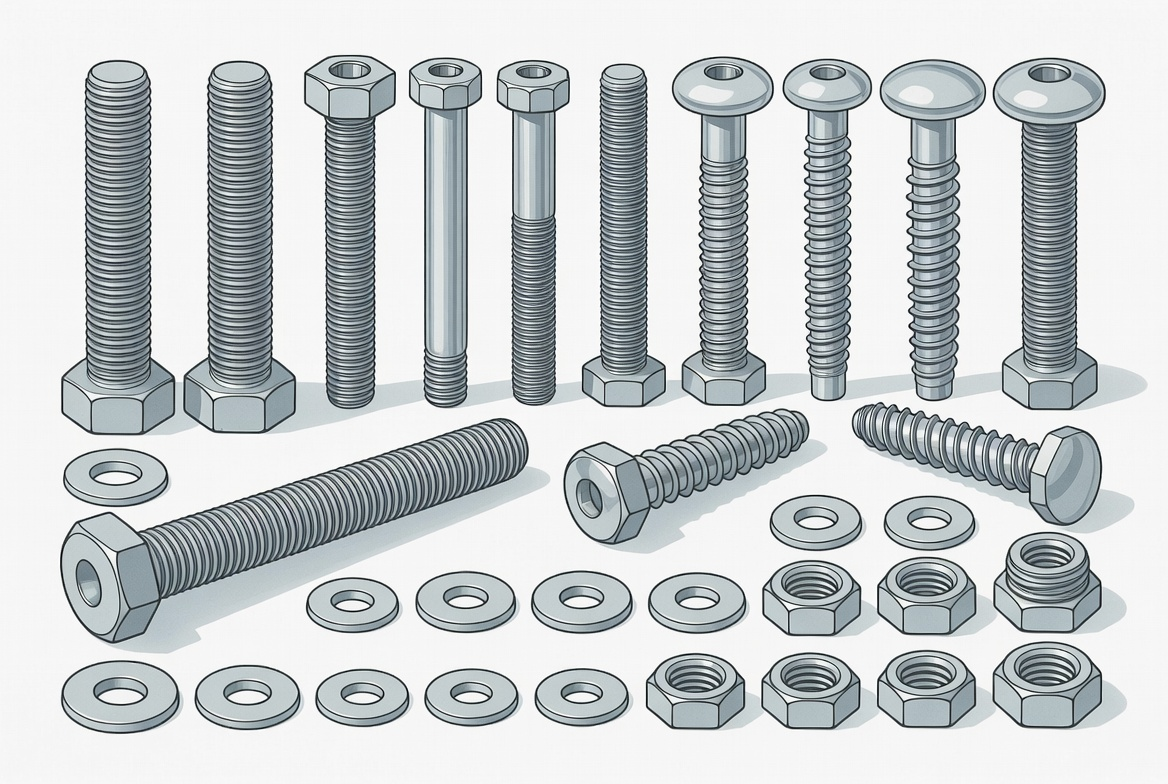
From what I’ve seen over the years, people switch their OEM fasteners manufacturer for a few common reasons: quality starts slipping after the first orders, deliveries are always late and mess up planning, or the supplier can’t handle design changes and tighter tolerances.
A decent OEM fasteners manufacturer won’t just quote your drawing and disappear. They’ll actually look at your application and suggest small improvements that can save money or make assembly easier.
What Really Matters for Fastener Performance
| Factor | Why It Matters | What a Good OEM Fasteners Manufacturer Does |
|---|---|---|
| Material Grade | Strength and long-term durability | Provides real mill certificates |
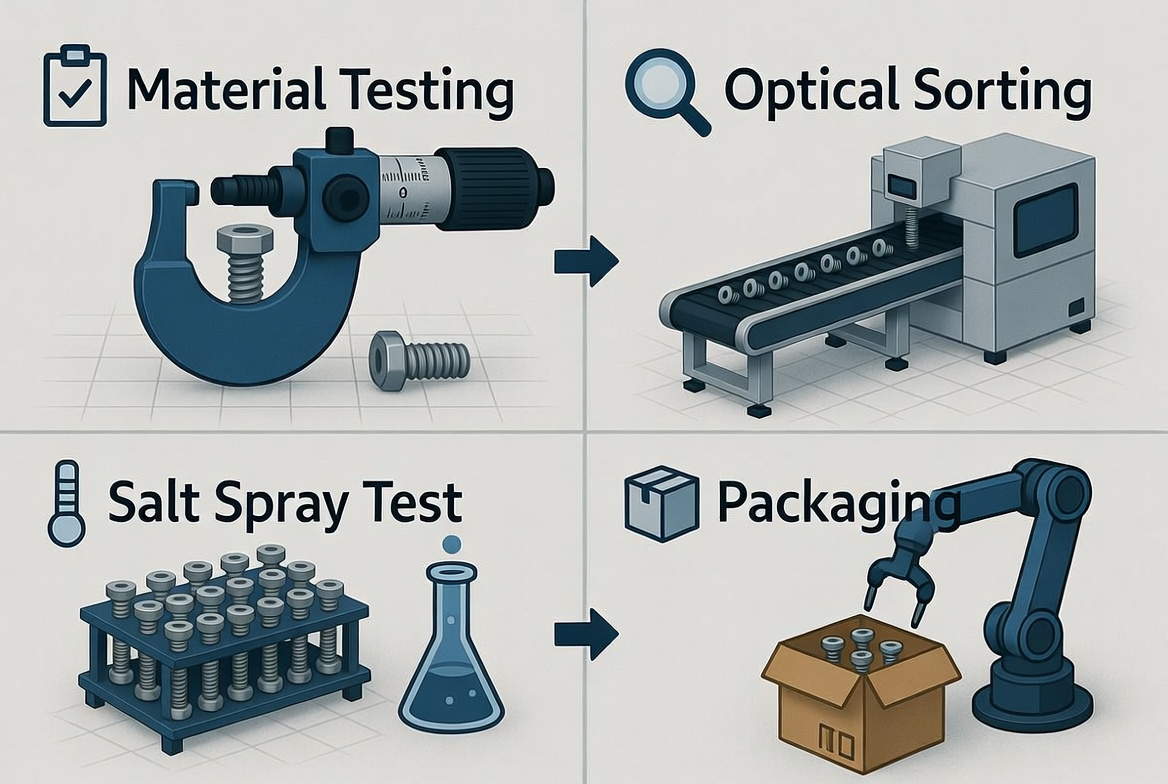
| Thread Quality | Smooth driving in automated lines | Precision rolling plus optical sorting |
| Heat Treatment | Prevents snapping under load | Proper process and baking for high-tensile |
| Plating | Corrosion resistance | Meets your salt-spray requirements |
Quick Checklist for Vetting an OEM Fasteners Manufacturer
| Question | Good Sign | Warning Sign |
|---|---|---|
| Do they do cold heading in-house? | Yes, full control | Mostly outsourced |
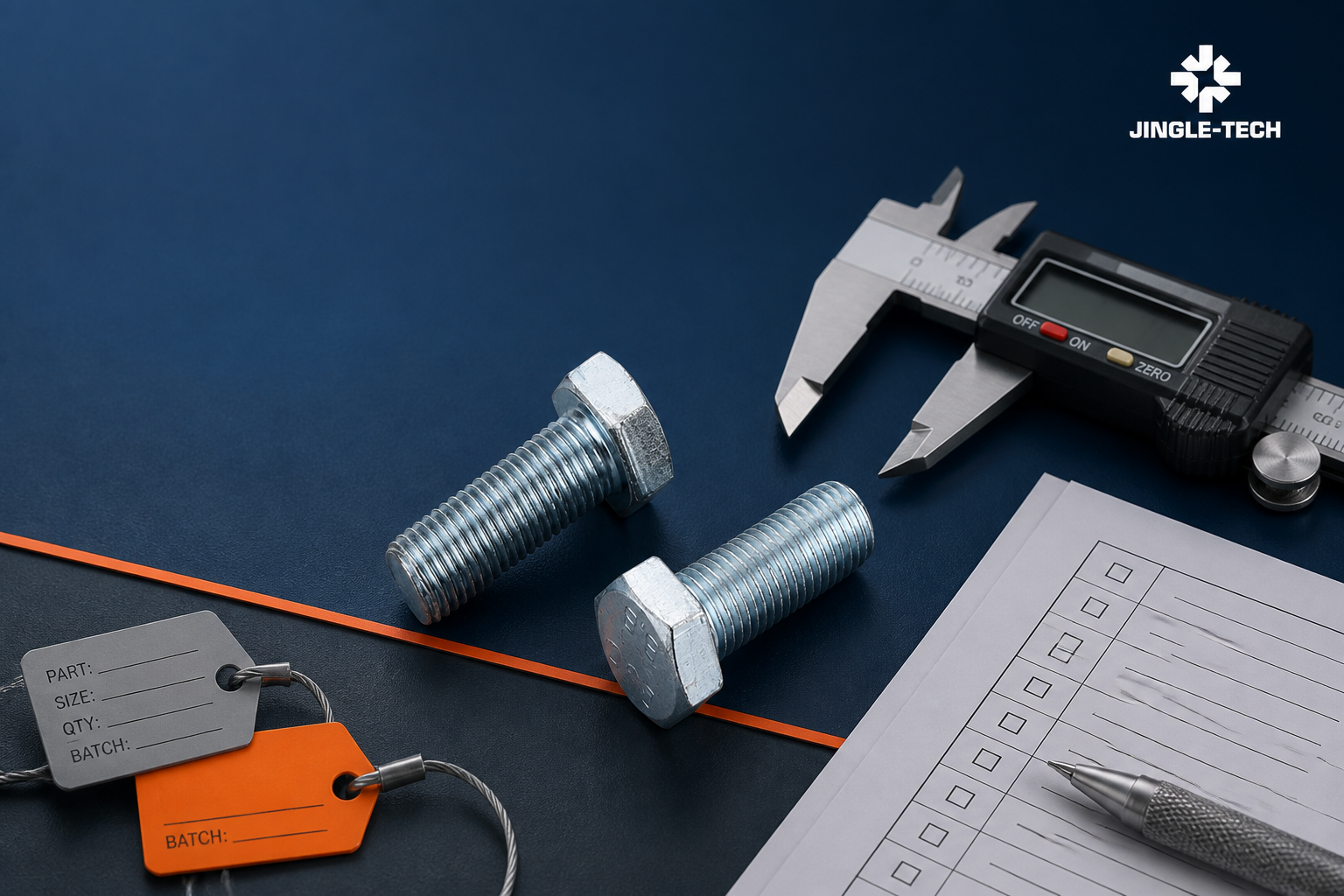
| Certificates with every batch? | Material + plating certs | Only when you ask |
| Can they make custom shapes? | Yes, own tooling | Only standard items |
| How fast for engineering changes? | Quick response | Takes forever |
Standard Parts vs Custom Parts
| Type | Pros | Cons | When to Use |
|---|---|---|---|
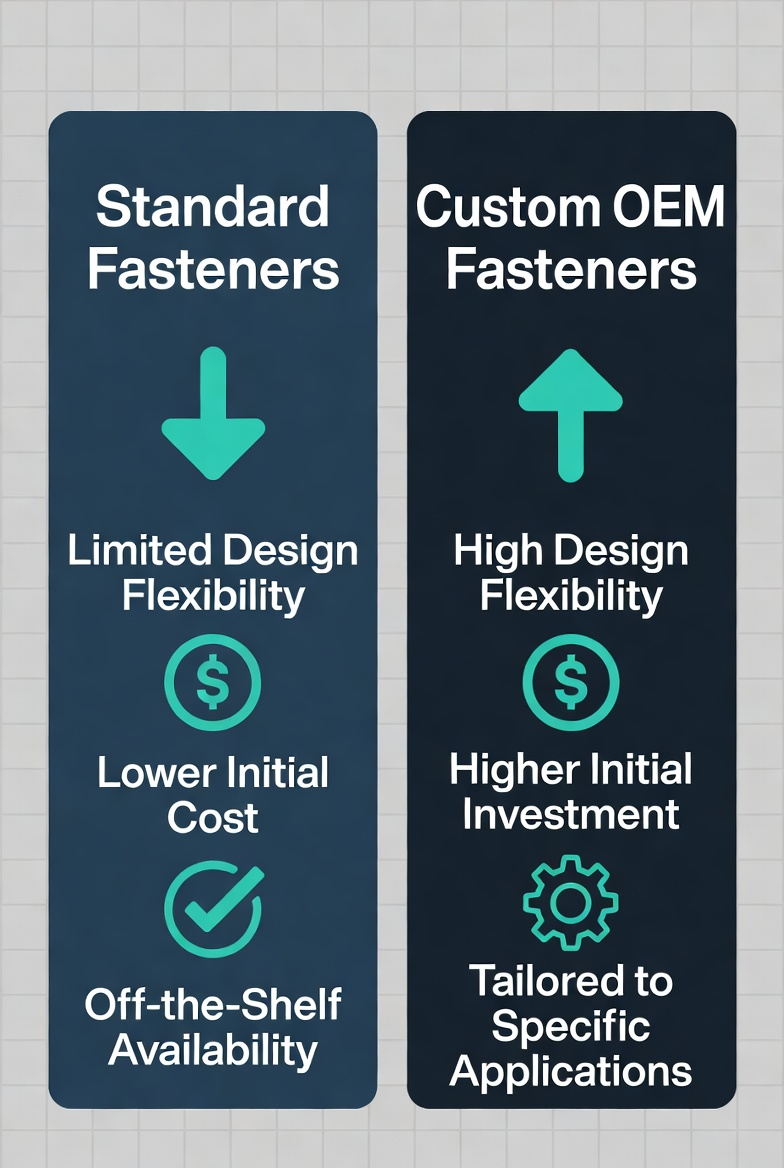
| Standard | Cheap and fast delivery | Limited design options | Simple applications |
| Custom | Better fit, saves assembly time | Tooling cost, longer first run | Special requirements |
Common Mistakes That Cost You Money
| Mistake | What Happens | How to Avoid |
|---|---|---|
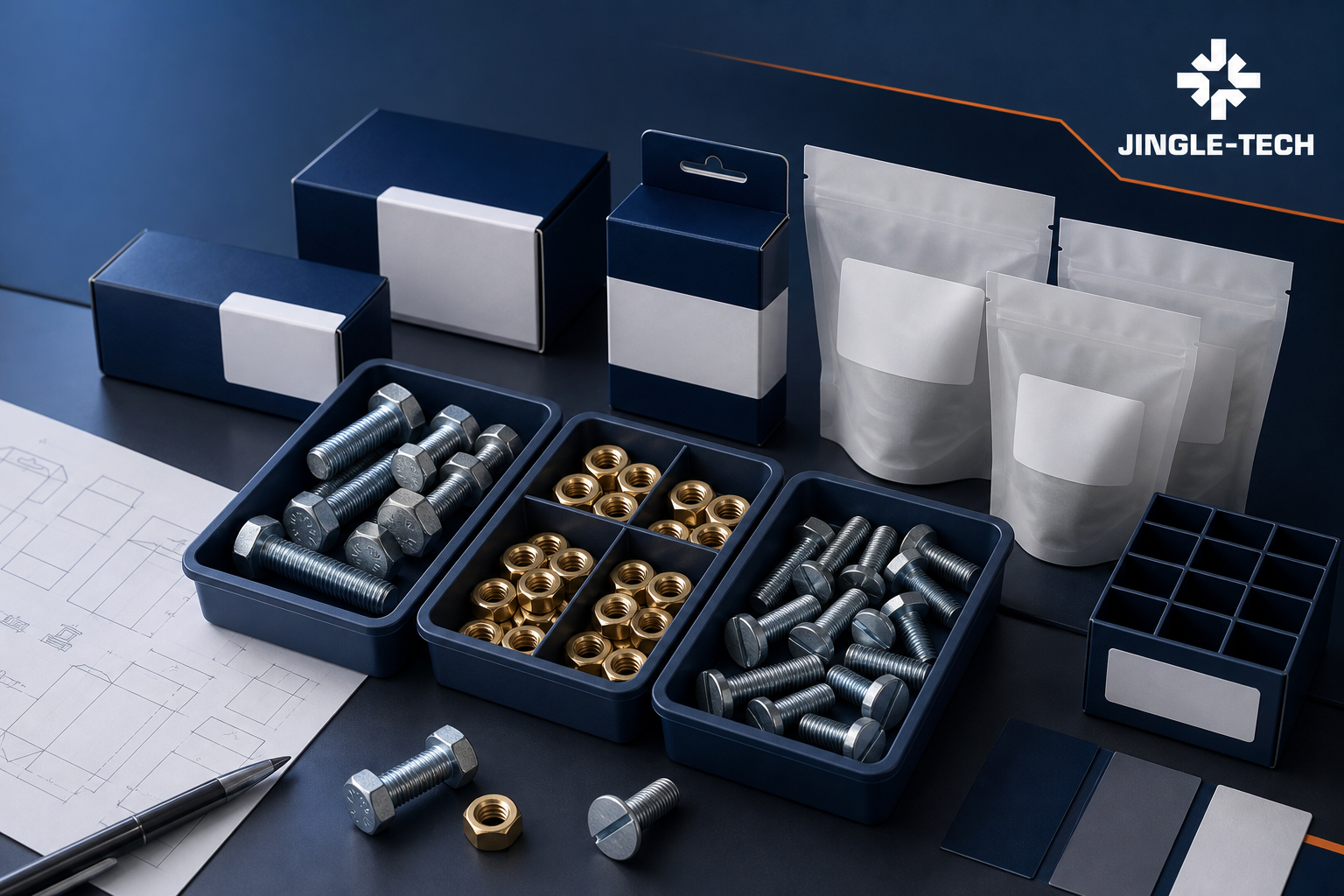
| Cheap packaging | Parts damaged or rusty on arrival | Ask for strong boxes + inner protection |
| Worn dies | Last parts out of tolerance | Approve FAI samples first |
| Bad labeling | Chaos in your warehouse | Require your barcodes & batch info |
Sourcing FAQs
1. What does OEM mean in fasteners? It means the OEM fasteners manufacturer makes the parts exactly to your drawings and specs, not off-the-shelf.
2. Can you copy from a physical sample? Yes, a good OEM fasteners manufacturer can reverse-engineer it with scanning and measurements.
3. Why bother with optical sorting? It catches bad parts so they don’t jam your automated equipment.
4. How long for custom tooling? Usually 2-4 weeks for dies, then another 3-4 weeks for production.
5. OEM or ODM? OEM = build to your print. ODM = we help design it from scratch.
6. Who pays for tooling? There’s an upfront fee, but it can often be amortized over large orders.
7. Can you do custom kitting? Yes, with your labels and barcodes.
8. What if my order suddenly increases? We can set up safety stock to help.
Contact Us – Get Your Quote Today
If you’re looking for a dependable OEM fasteners manufacturer, feel free to reach out to us at NINGBO JINGLE HARDWARE MANUFACTURING CO., LTD.
Easy ways to contact us:
- Email: sales@jinglefix.com
- WhatsApp / WeChat: +86 18905849665
Just send over your drawings, samples, or even a rough idea of what you need. We usually get back with a quote and suggestions within 24 hours. Whether it’s a new custom project or improving your current parts, we’re happy to help.
Drop us a message today and let’s talk about how we can support your production.