Taking screws and wood screws: Understand the difference
With fasteners, tap screws and wood screws are two commonly used options. Although both are crucial for projects that require secure and persistent connections, they each have different characteristics and applications. Let's explore the differences between tapping screws and wood screws to better understand how and where to use them.
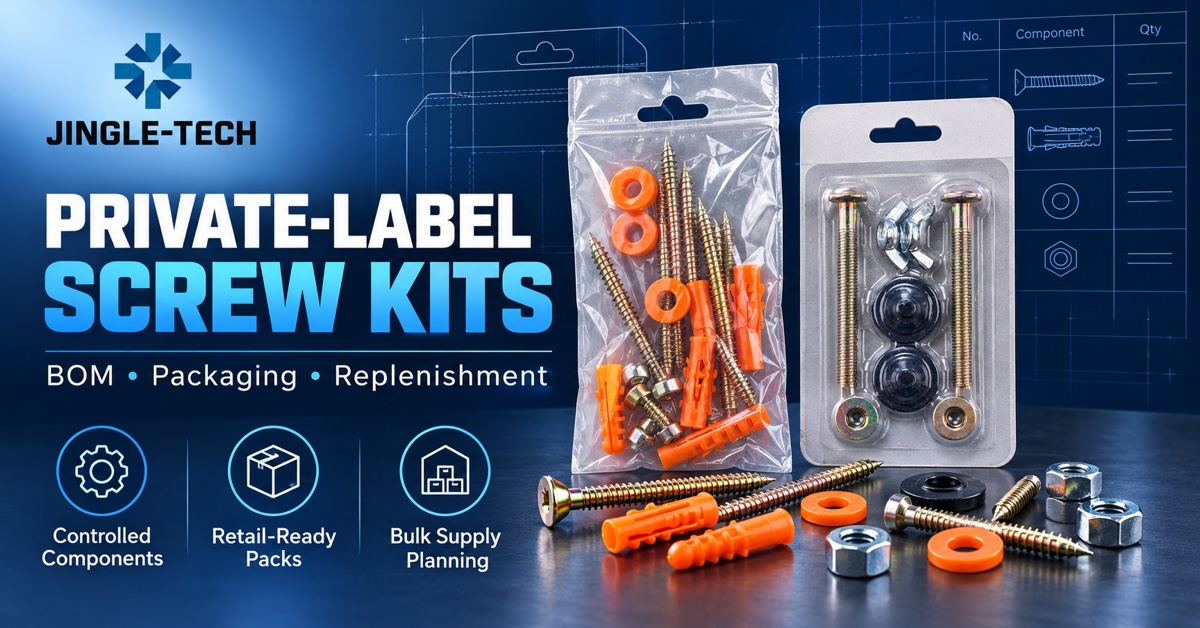
The excavation screw is designed to cut the thread when it is driven into a material that may be metal, plastic or wood. In most cases, it eliminates the need for pre-drilling, saving time and effort. These screws usually include sharp hard wires, making them versatile in a variety of projects. Wood screws, on the other hand, are designed specifically for woodworking applications. As the name suggests, the wood screws hold firmly in the cereal of the wood, ensuring a strong joint. They usually have pointed tips and thick lines to enhance their grip.
Many industries rely on tap screws due to time efficiency and adaptability. While wood screws serve mainly carpenters and carpenter enthusiasts, tapping screws are the top fastener for industries such as automotive, construction and manufacturing. However, both types play an important role in ensuring materials and ensuring project stability.
When should I choose tapping screws and wood screws
The choice between tap screws and wood screws depends to a large extent on the requirements of your project. The knock screws are perfect for materials that require strong initial grip without the hassle of pre-drilling. For example, tapping the screw can save valuable time when using metal or plastic. They are also convenient when assembling parts on a production line, making them a favorite choice in industrial environments.
As the name suggests, wood screws are suitable for wood-based applications. When building furniture, installing wooden frames, or working on DIY projects, their design ensures a fit of wood grain. In addition, wood screws usually have a thicker body compared to hit screws, providing durability for heavier wood structures.
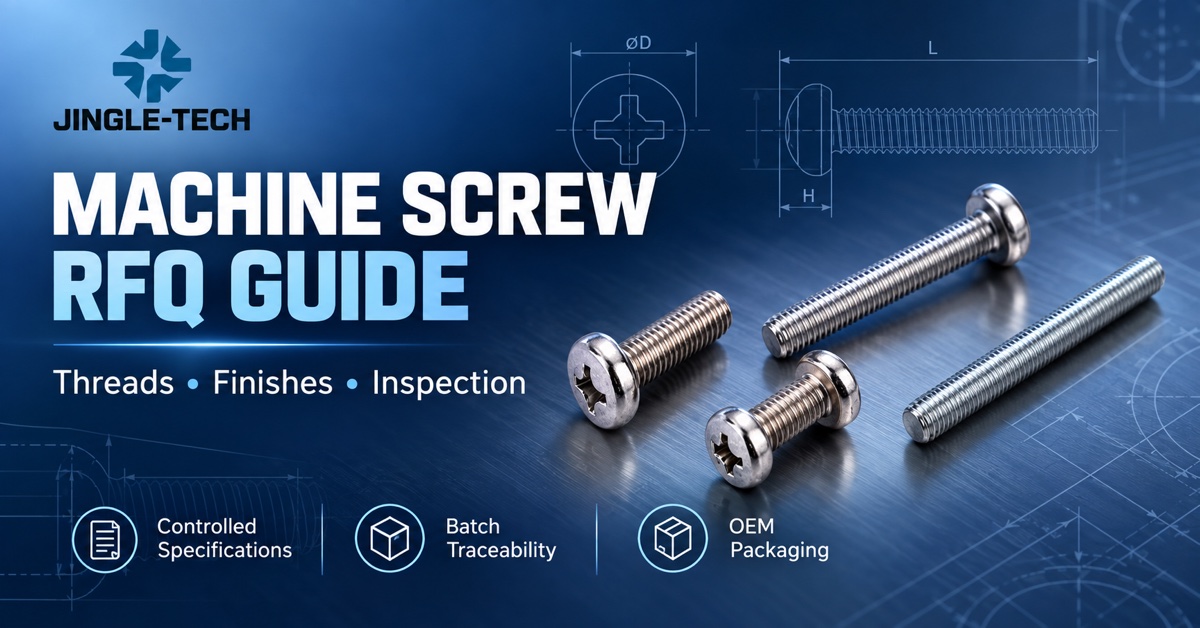
An important point of comparison is the drive system. For example, both strike screws and wood screws can be found in a variety of head types, including flat, round and translink styles, as well as different drive styles such as Philips, slotted or Torx screws. TORX screw drivers are particularly advantageous when precision and grip strength are required, which contributes to the overall versatility of hitting screws in professional applications.
Why the industry relies on high-quality fasteners
Ningbo Jingle-Tech Imp. The importance of companies such as Exp.co., Ltd in industrial and architectural applications is based on industrial and architectural applications, with different business scopes. They specialize in fasteners (including strike screws and wood screws) as well as side prefabricated accessories and CNC machined parts. This extensive expertise enables them to meet the specific needs of various industries.
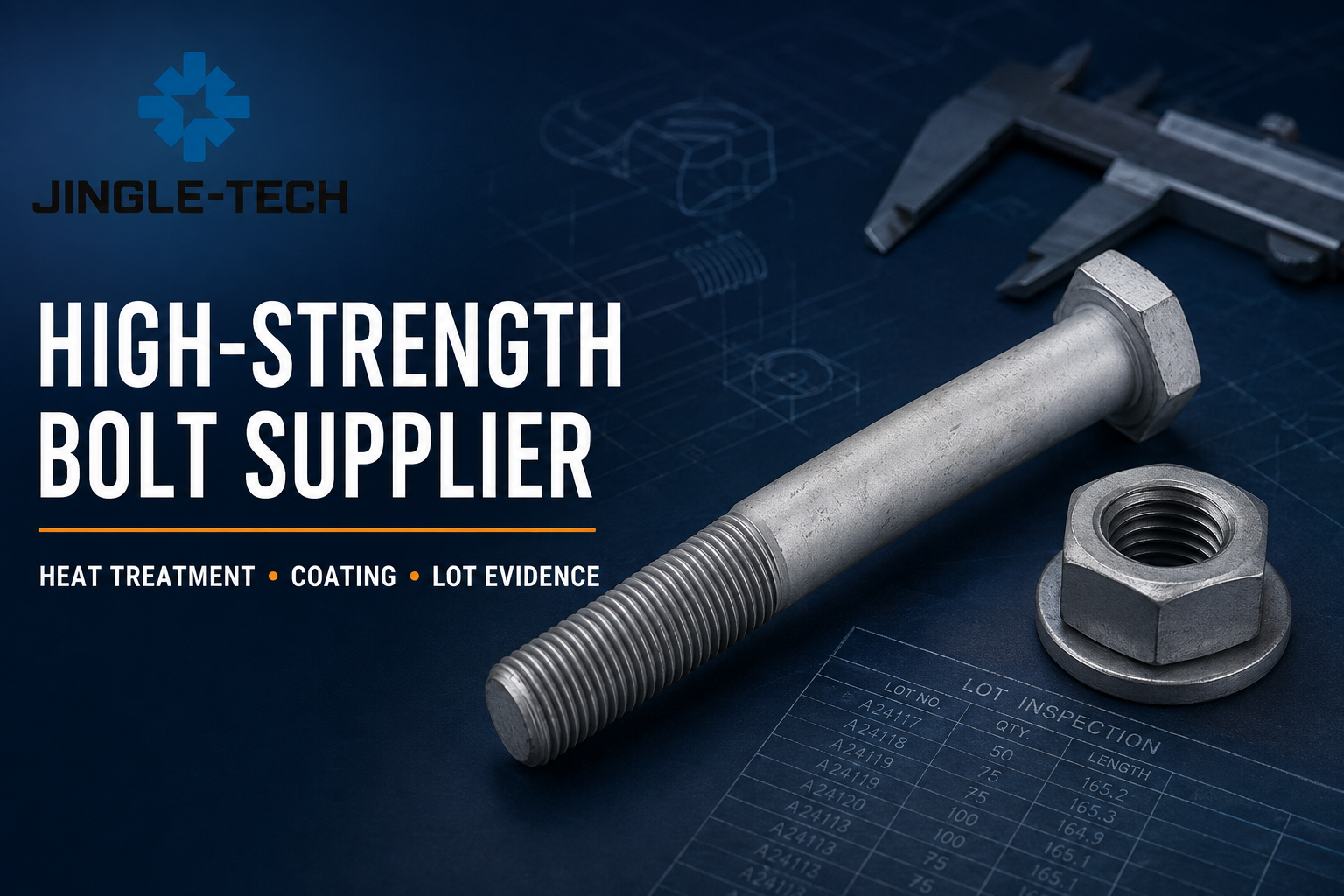
High quality fasteners ensure structural integrity of any project. Selecting insufficient or unqualified screws can lead to significant long-term risks, including looseness, failure or instability. Companies like Ningbo Jingle-Tech solve this problem by producing unique industry needs tailored. Whether you are a professional, whether it is a quality hitting screw for heavy tasks, or a DIY enthusiast who needs wood screws, their product products are aligned with all kinds of needs.
All in all, both hitting screws and wood screws have significant advantages. Excavation screws stand out in terms of adaptability and time-saving features, especially when using metal and plastic. Wood screws, on the other hand, perform well in wooden applications, providing durability and fit for woodworking. With the advancement of fastener technology and companies like Ningbo Jingle-Tech at the forefront, choosing the right screw for your project has never been easier.