Why SS316 fasteners keep showing up in serious product designs
SS316 fasteners are usually specified when a design needs more than basic corrosion resistance. Engineers reach for them in marine hardware, chemical processing equipment, outdoor enclosures, food-related machinery, and any assembly that may face salt, moisture, cleaning agents, or long service life. The attraction is simple: once a fastener fails, the repair is rarely confined to the bolt or screw itself. Threads seize, joints loosen, housings leak, and maintenance schedules get more expensive than the original hardware ever was.
That is why material selection for fasteners is not a minor purchasing detail. It affects durability, service access, and even how a product ages in the field. Choosing SS316 fasteners is often a way to reduce risk where standard stainless grades may be adequate in dry indoor use but less convincing in harsher environments.
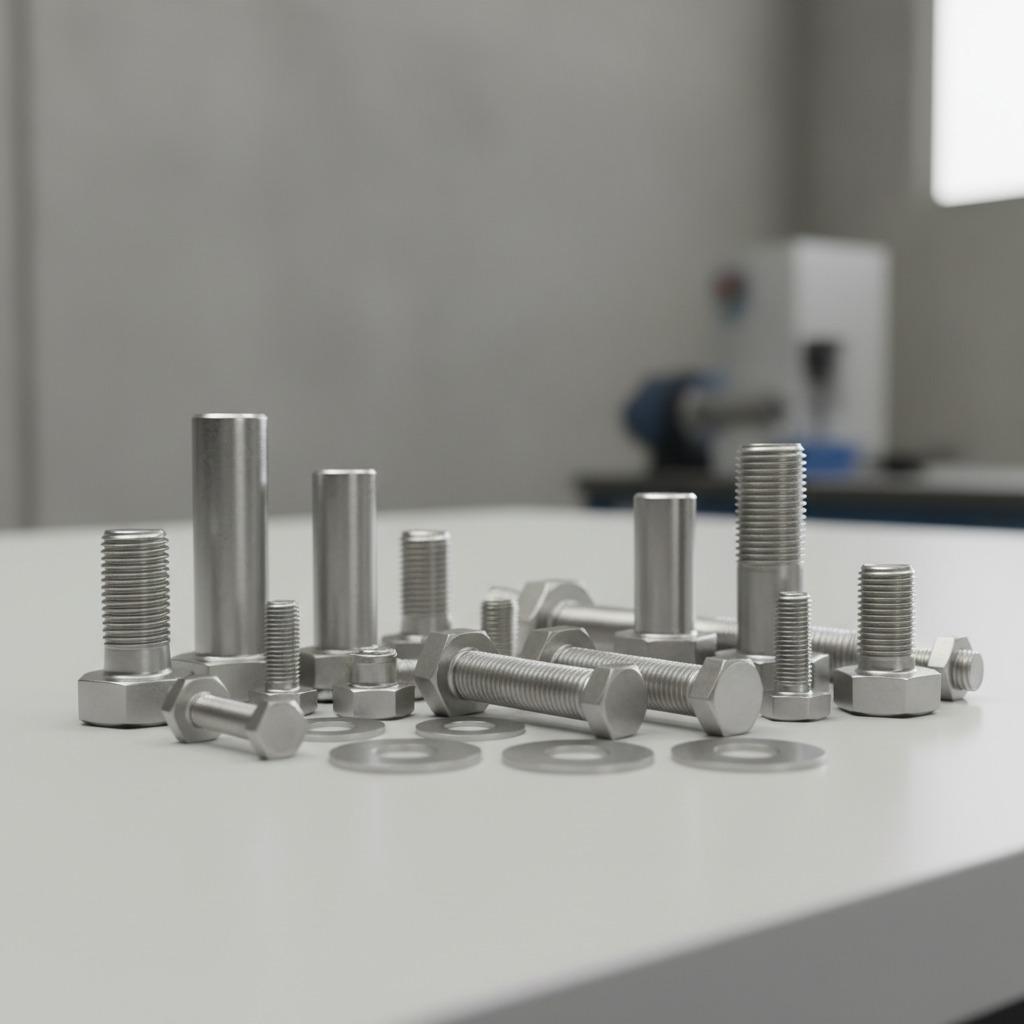
What makes SS316 different
SS316 is an austenitic stainless steel grade known for improved corrosion resistance compared with widely used general-purpose stainless steels. The key practical reason is its better performance in chloride-bearing environments. That does not make it invincible, and buyers sometimes overestimate what stainless steel can do, but it does make SS316 a sensible option when exposure is persistent rather than occasional.
For fasteners, the grade matters because the part is small but highly loaded. A bolt or screw may look interchangeable across grades on paper, yet in service the wrong choice can lead to galling, staining, thread damage, or premature replacement. In assemblies that are hard to access, that gets expensive quickly.
Where SS316 fasteners tend to make the most sense
These fasteners are commonly used in marine and coastal applications, chemical or laboratory equipment, outdoor architecture, pump assemblies, sanitary processing equipment, and exposed industrial installations. They also show up in consumer products where appearance matters and rust staining would be unacceptable.
It is worth noting that “stainless” is not a blanket guarantee. If the assembly is exposed to highly aggressive chemicals, high temperatures, or constant salt spray, the engineering team should check compatibility rather than assuming SS316 is automatically the answer. In some jobs it will be enough; in others, it is simply the baseline.
Quick buyer comparison: when to consider SS316 instead of a lower-grade option
If the fastener will live indoors, stay dry, and never face aggressive cleaners, a lower-cost stainless or coated carbon steel option may be enough. If the environment is damp, coastal, frequently washed down, or exposed to chemicals, SS316 becomes far more attractive. The extra material cost is often easier to justify than the cost of field failures, warranty work, or maintenance downtime.
For sourcing teams, the decision is rarely only about corrosion resistance. Availability, machining behavior, and compatibility with the mating material also matter. A well-chosen fastener that is easy to replace and reliable under load often beats a theoretically stronger material that complicates procurement or assembly.
Selection points engineers should not skip
Thread engagement and loading
Even good material cannot compensate for poor joint design. Check thread engagement, clamp load requirements, and the fastener head style needed for the application. Stainless fasteners can behave differently during tightening than plain carbon steel parts, especially if lubrication and installation practices are inconsistent.
Galling risk
One practical caution with SS316 fasteners is galling, particularly in stainless-on-stainless joints. This is the kind of problem that looks minor in the drawing room and becomes memorable on the shop floor. Correct torque practice, suitable anti-seize where allowed, and careful material pairing help reduce the risk.
Finish and appearance
For visible products, SS316 offers a cleaner long-term appearance than many alternatives. That said, finish consistency still depends on the supplier and the manufacturing process. If cosmetic matching matters, buyers should confirm surface finish expectations early.
Common purchasing mistakes
One common mistake is treating all stainless fasteners as equivalent. Another is assuming the environment is “mild enough” without defining what that means in practice. Coastal air, washdown chemicals, condensation, and temperature cycling can all change the real exposure. A part that seems fine in prototype testing may tell a different story after six months in the field.
Another easy mistake is ignoring the rest of the assembly. The fastener may be SS316, but the nut, washer, insert, or mating component may not be. Mixed materials can create their own issues, so the full stack deserves attention, not just the bolt line on the BOM.
Practical advice for sourcing teams
When sourcing SS316 fasteners, ask for clear material identification and confirm that the supplied parts match the design intent. If the application is critical, request documentation appropriate to your internal quality process. It also helps to define the exact fastener type, thread form, and any surface requirements up front, because a generic stainless fastener spec can create avoidable substitutions later.
For production teams, it pays to standardize installation practices. Torque control, lubrication rules, and storage conditions all affect final performance. Stainless hardware is dependable when handled correctly; it is less forgiving when mixed with improvisation.
FAQ
Are SS316 fasteners always better than SS304?
Not always. SS316 is often preferred in harsher environments, but if the application is dry and non-aggressive, the added cost may not be justified.
Can SS316 fasteners rust?
They can still discolor or corrode under certain conditions, especially in severe chloride exposure or if contamination is present. “Stainless” means more resistant, not immune.
Do they need special handling?
They benefit from careful installation, proper torque control, and attention to galling risk, particularly in stainless-to-stainless joints.
Choosing the next step
If you are evaluating hardware for a product that will live outdoors, near salt, or around cleaning chemicals, SS316 fasteners are worth a close look. The real decision is not whether stainless is desirable in the abstract. It is whether the fastener must survive the actual environment with acceptable maintenance and risk. That is the point where material selection becomes a manufacturing decision instead of a catalog choice.