Understanding the Timber Screw: A Builder's Essential
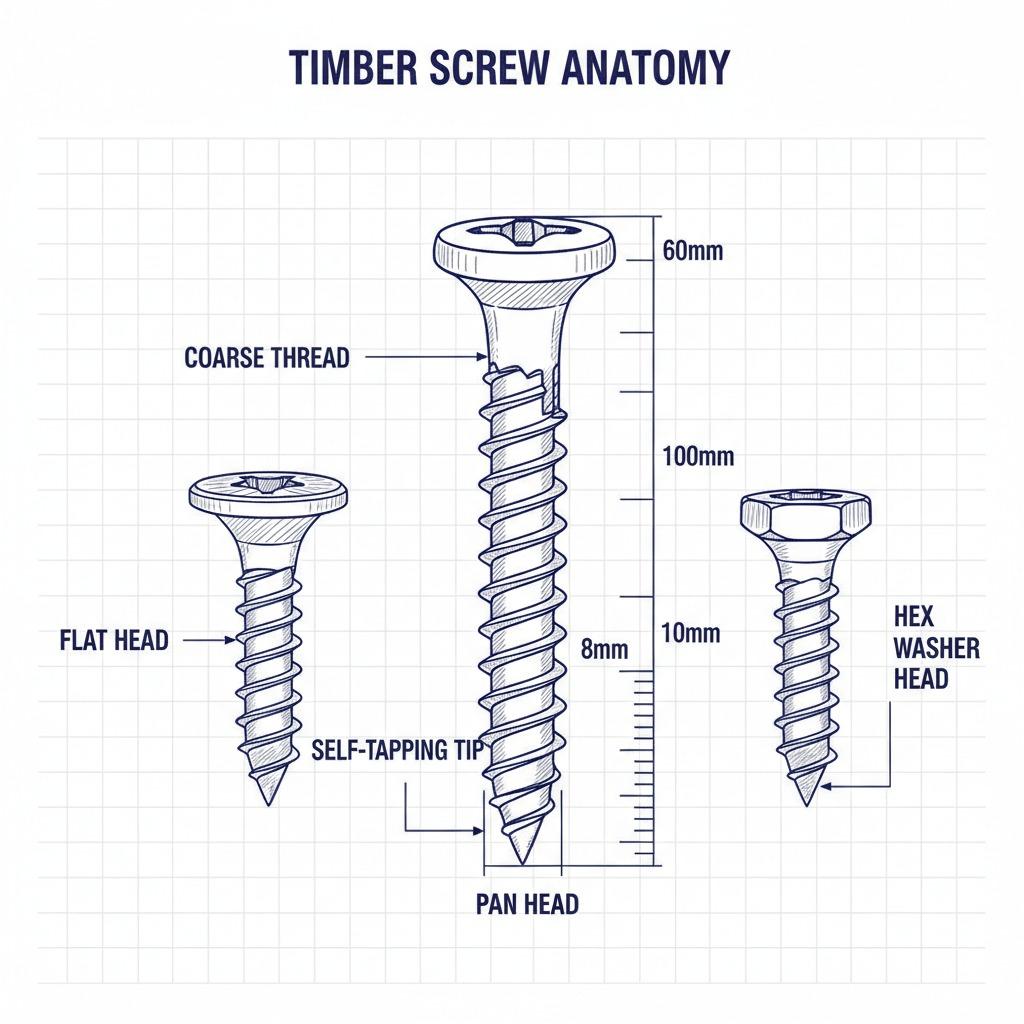
When it comes to woodworking and construction projects, the timber screw stands out as a reliable fastening solution. This versatile hardware piece is designed specifically for securing wood materials, offering superior holding power compared to traditional nails. Whether you're building a deck, framing a shed, or crafting furniture, a high-quality timber screw ensures your project remains sturdy and long-lasting. Its threaded design grips deeply into the wood fibers, reducing the risk of splitting and providing excellent resistance to pull-out forces.
Key Features and Benefits of Timber Screws
Timber screws come in various sizes and materials to suit different applications. Typically made from hardened steel, they feature a coarse thread that bites into softwoods like pine or hardwoods like oak with ease. One major advantage is their self-tapping ability, which means they create their own pilot hole as you drive them in, saving time and effort. Unlike nails, timber screws allow for disassembly without damaging the wood, making them ideal for projects that might need adjustments. Additionally, many timber screws are coated to resist corrosion, especially useful in outdoor settings where moisture is a concern. This durability extends the lifespan of your structures, preventing loose joints over time.
Choosing the Right Timber Screw for Your Project
Selecting the appropriate timber screw involves considering the thickness and type of wood you're working with. For thicker timbers, opt for longer screws with a larger diameter to ensure maximum grip. It's also important to match the screw head type to your tools—flat heads for flush finishes or hex heads for heavy-duty applications. Pre-drilling a pilot hole is recommended for hardwoods to prevent cracking, though many modern timber screws minimize this need. Always choose screws rated for your specific use, such as interior versus exterior, to avoid failures down the line. By paying attention to these details, you can achieve professional results in your DIY or professional builds.
Installation Tips for Optimal Performance
Proper installation is key to leveraging the full potential of a timber screw. Use a power drill with the correct bit to drive the screw smoothly, applying steady pressure to avoid stripping the head. Start with a pilot hole slightly smaller than the screw's shank for best results, especially in dense woods. Over-tightening can lead to wood damage, so stop once the head is snug. For added strength in load-bearing applications, consider using multiple timber screws in a pattern that distributes stress evenly. Regular maintenance, like checking for rust in outdoor installations, will keep your fasteners performing well for years.
Common Applications and Innovations in Timber Screws
Timber screws are indispensable in a wide range of projects, from residential framing to outdoor pergolas and even boat building. Their adaptability makes them a go-to for both professionals and hobbyists. Recent innovations include eco-friendly options made from recycled materials and screws with specialized coatings for extreme environments, like coastal areas. As construction techniques evolve, the timber screw continues to improve, offering even greater strength and ease of use. Incorporating these fasteners into your toolkit not only enhances project quality but also streamlines the building process, making every endeavor more efficient and reliable.