Understanding Why Bolts Come Loose
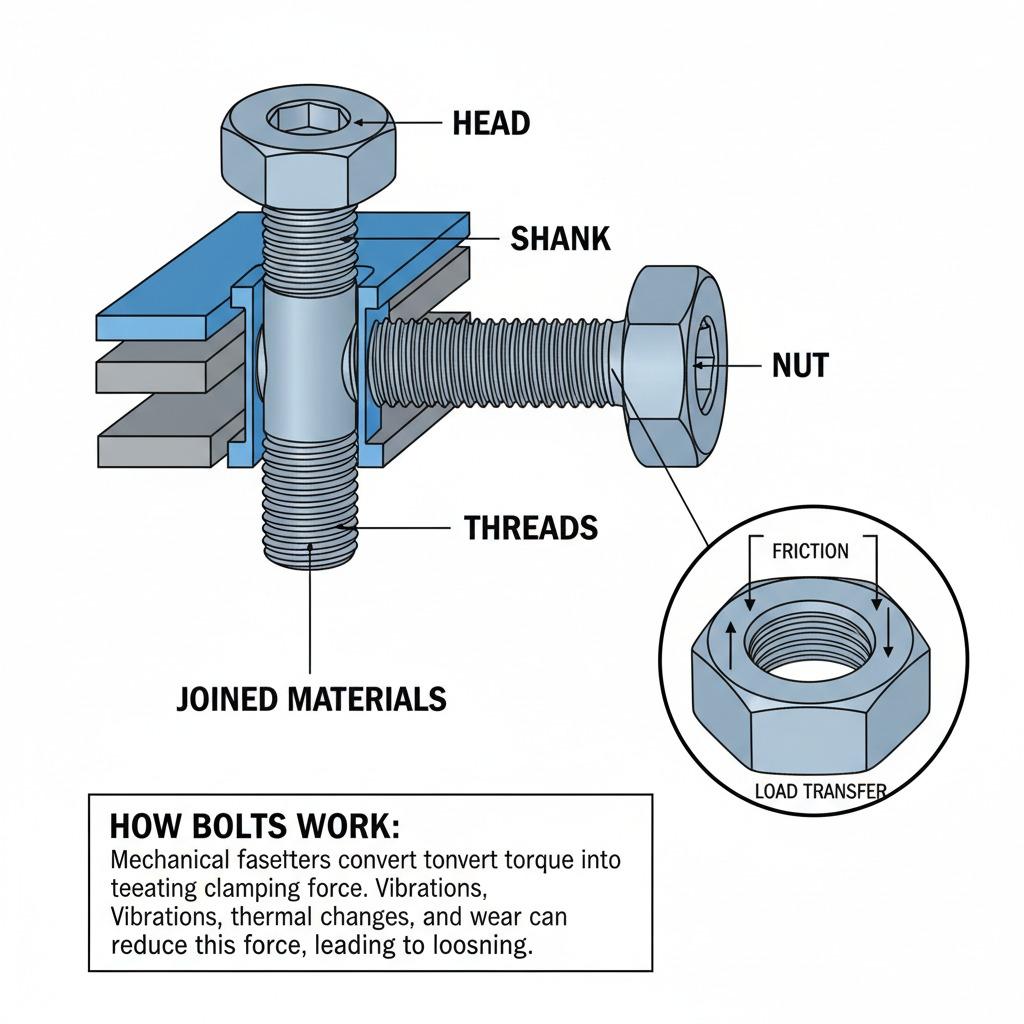
Bolts are essential fasteners in machinery, vehicles, and structures, but a common frustration is discovering why do bolts come loose over time. This phenomenon occurs due to a combination of mechanical forces and environmental factors that gradually undermine the bolt's grip. Primarily, vibration is a major culprit; when machines or vehicles operate, they generate constant shaking that can cause the threads of the bolt and nut to slowly unscrew through repeated micro-movements. This is especially prevalent in high-speed applications like engines or industrial equipment. Additionally, thermal expansion plays a role—materials expand and contract with temperature changes, leading to gaps that allow loosening. Over time, these subtle shifts accumulate, potentially resulting in failures that compromise safety and efficiency.
Another key reason why do bolts come loose involves the natural wear and tear on the threads. As bolts endure repeated stress, the friction between mating surfaces decreases, particularly if there's inadequate lubrication or if debris accumulates. In corrosive environments, such as those exposed to moisture or chemicals, oxidation can degrade the metal, reducing the bolt's clamping force. Improper installation is also a frequent oversight; if a bolt isn't torqued to the correct specifications or if the wrong size is used, it won't maintain its hold. These factors highlight the importance of not just selecting quality hardware but also understanding the operational context to predict and prevent loosening.
Strategies to Prevent Bolts from Coming Loose
To effectively stop bolts from coming loose, start with proper installation techniques. Always use a calibrated torque wrench to apply the recommended torque value, ensuring even pressure without over-tightening, which can strip threads. Selecting the right bolt material—such as stainless steel for corrosive settings or high-strength alloys for heavy loads—can significantly enhance durability. For vibration-prone areas, incorporating lock washers, such as split or toothed varieties, adds resistance by digging into the surfaces and preventing rotation.
Advanced solutions include mechanical locking mechanisms like nylon-insert lock nuts or prevailing torque nuts, which provide ongoing friction to maintain tightness. Chemical approaches are equally valuable; applying thread-locking compounds, such as anaerobic adhesives, fills gaps and cures to form a strong bond that withstands vibration and temperature fluctuations. These products are particularly useful in automotive and aerospace applications where reliability is paramount. Regular maintenance routines, including periodic inspections and re-torquing, can catch potential issues early, extending the lifespan of your assemblies.
Best Practices for Long-Term Bolt Security
Beyond initial prevention, adopting best practices ensures bolts remain secure over the long term. Design considerations, like using longer bolts with more engaged threads or incorporating safety wire in critical systems, can provide redundant protection. In dynamic environments, such as construction sites or marine vessels, combining multiple methods—mechanical, chemical, and procedural—yields the best results. For instance, in a manufacturing setting, standardizing bolt specifications and training personnel on proper assembly reduces human error.
Ultimately, addressing why do bolts come loose requires a proactive approach rooted in engineering principles and material science. By implementing these strategies, you minimize downtime, enhance safety, and avoid costly repairs. Whether you're a DIY enthusiast working on your car or a professional engineer designing robust systems, understanding and countering these loosening factors is key to reliable performance. With diligent application, your fasteners will hold firm against the challenges they face.