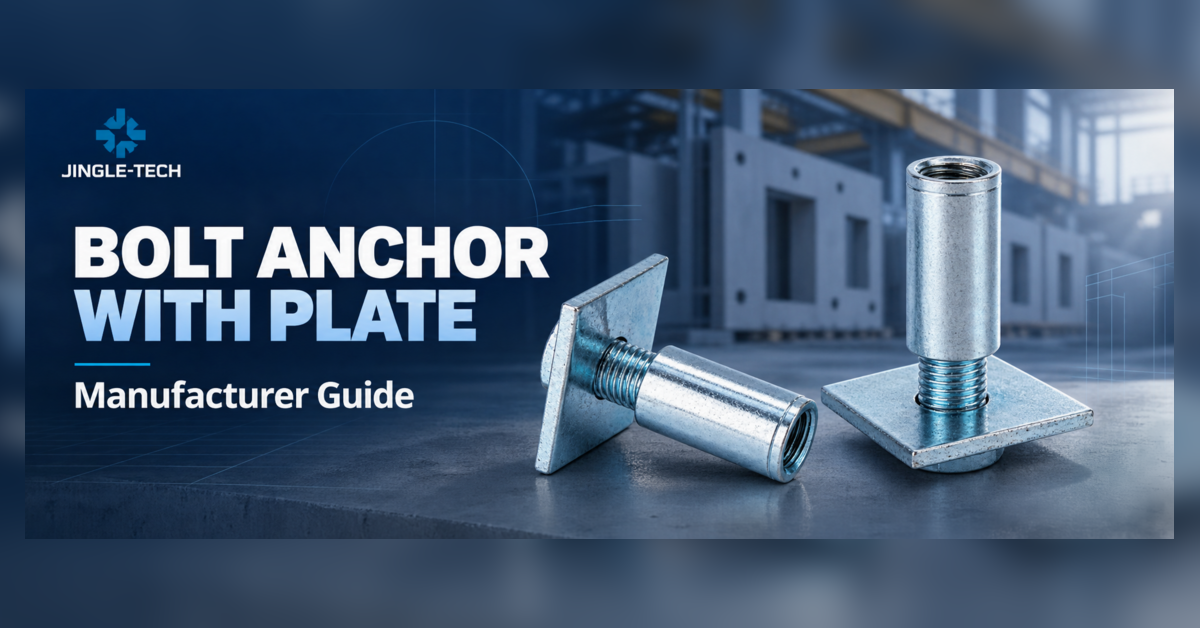
Understanding the Problem: Why Choose a Lifting Foot Anchor?
When it comes to construction and heavy-duty lifting tasks, safety and efficiency are critical considerations. The challenges faced in these industries often revolve around ensuring secure lifting mechanisms to prevent accidents and damage. This is where the concept of a lifting foot anchor becomes invaluable. Lifting foot anchors play a crucial role in allowing seamless and secure lifting of heavy loads, offering both reliability and adaptability.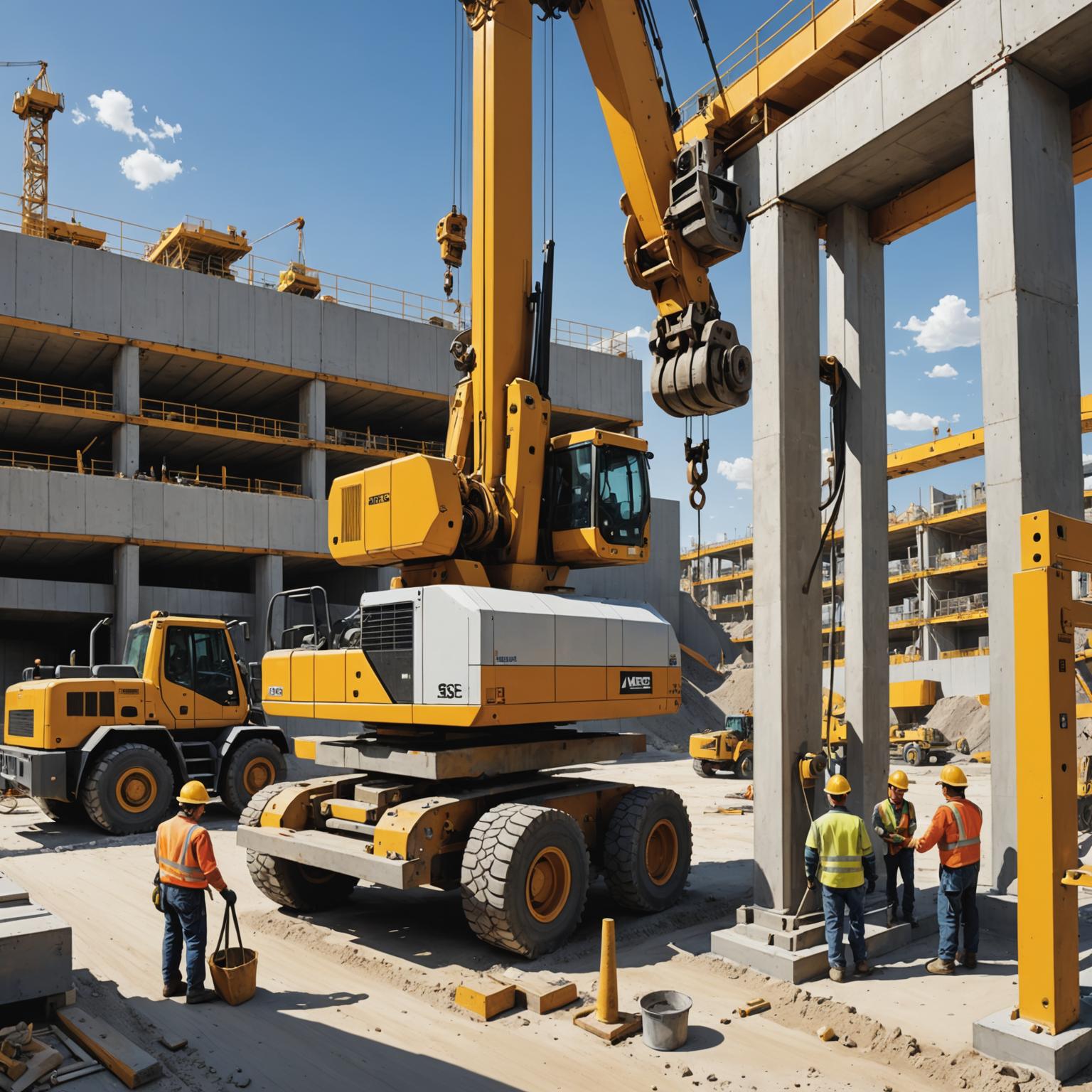
Traditional lifting methods can often be cumbersome and may fail to meet rising safety standards. Workers frequently encounter difficulties such as improper load distribution, insufficient grip, and failing to secure materials effectively. These challenges not only dampen productivity but may also lead to catastrophic safety incidents. Thus, identifying the right equipment is essential for any company aiming to raise its operational standards in this field.
What Makes a Lifting Foot Anchor the Ideal Solution?
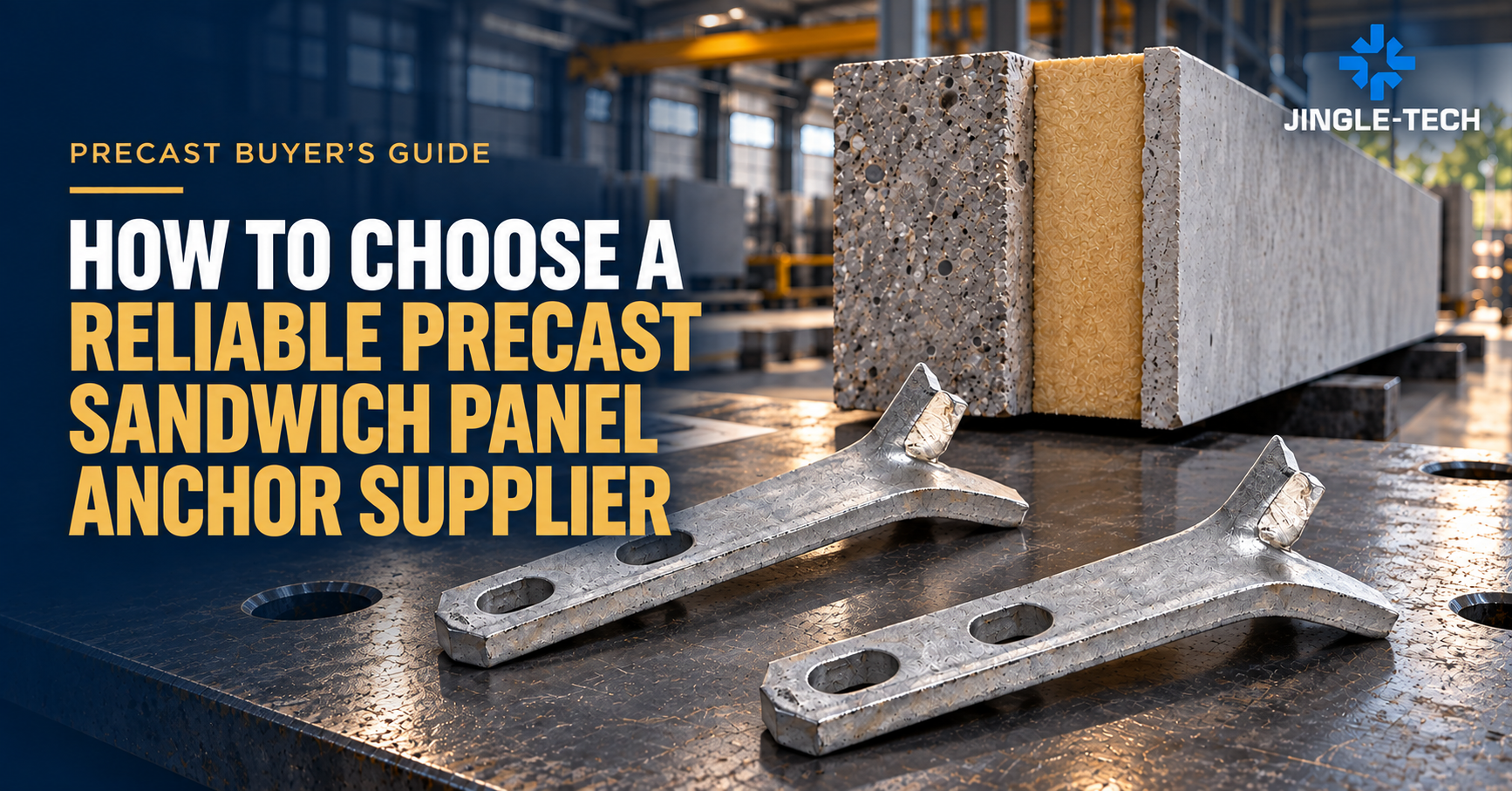
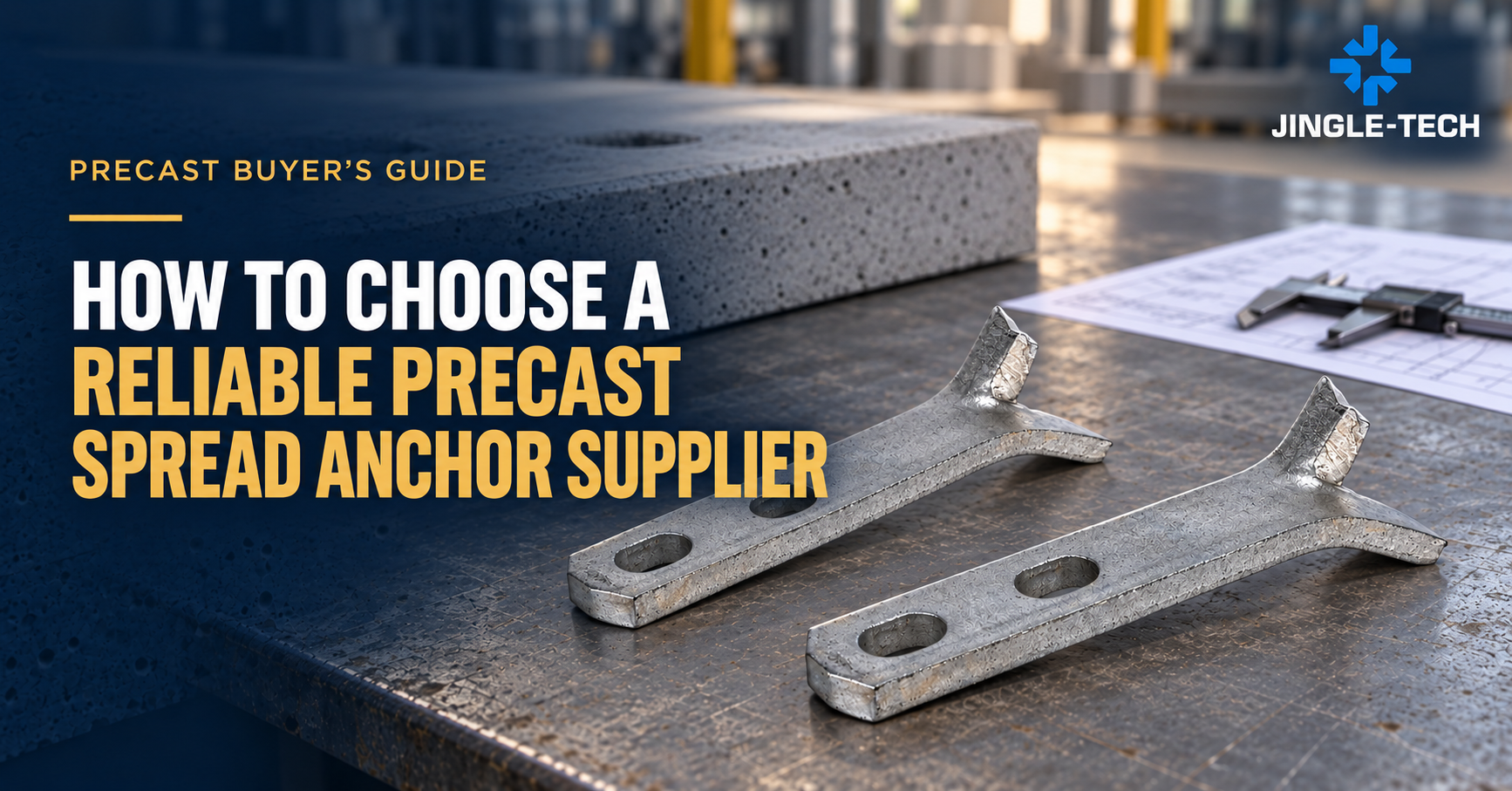
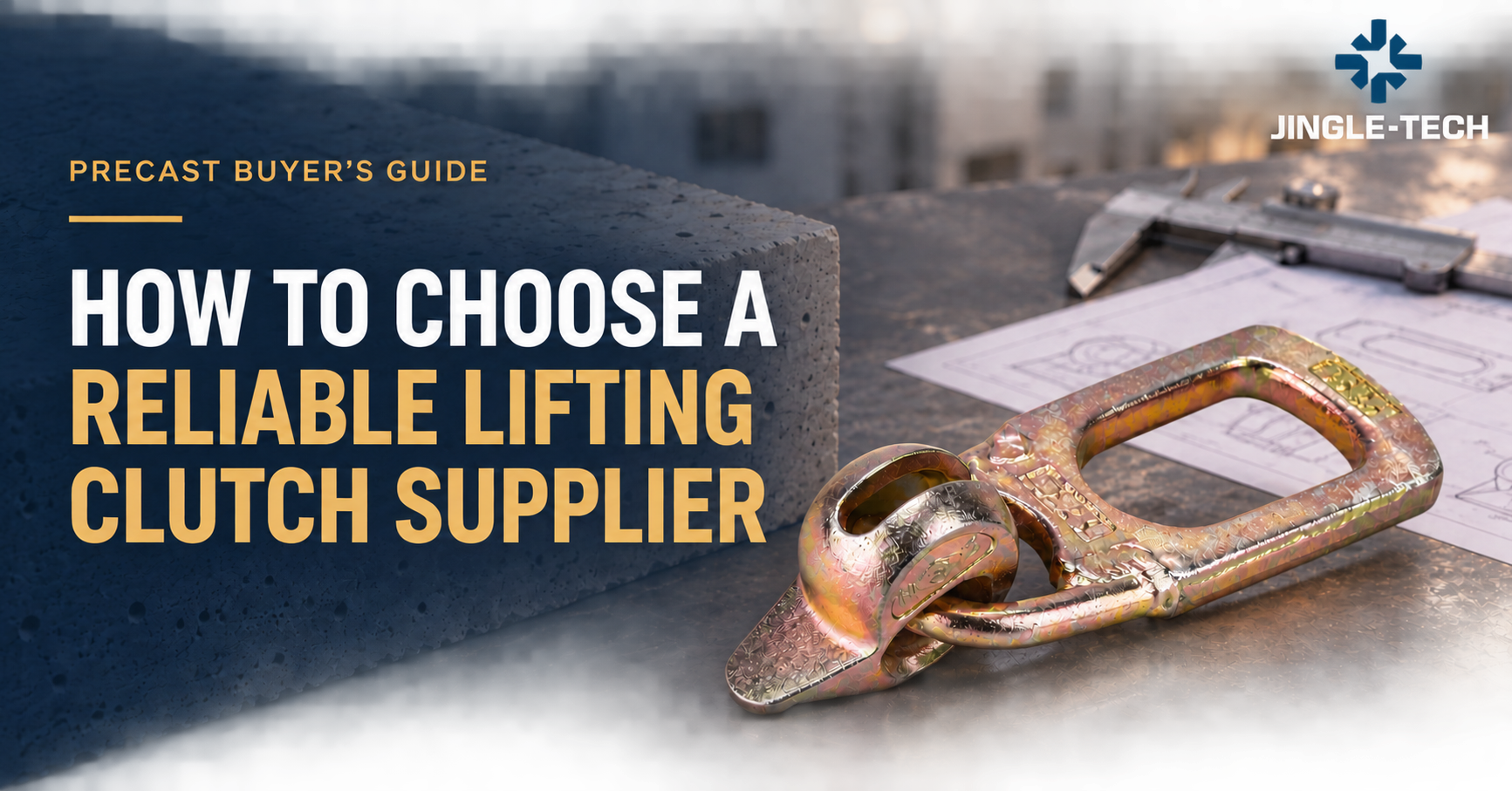
A lifting foot anchor addresses these challenges by providing an innovative and effective solution for lifting and securing heavy loads. These anchors are specifically designed to ensure easy handling and a secure hold, even in highly demanding conditions. They provide an essential link in the chain for safe lifting operations and are engineered to distribute forces evenly across the load, reducing stress and enhancing stability.
One of the key features of lifting foot anchors is their adaptability to diverse applications. Whether it's lifting large concrete panels, structural components, or other heavy-duty materials, the lifting foot anchor offers users reliability every step of the way. Its robust construction and durable design ensure longevity, even after repeated use in tough conditions.
Furthermore, lifting foot anchors come in a range of sizes and configurations to suit different needs. This flexibility minimizes the need for custom equipment, saving companies time and money while maintaining safety and efficiency. Adequately installed, these anchors significantly reduce setup time, boost operational efficiency, and instill confidence in workers handling complex projects.
Conclusion: Maximizing Safety and Efficiency with Lifting Foot Anchors
Considering the importance of safety, durability, and adaptability in construction and heavy lifting tasks, investing in lifting foot anchors is a logical step forward. They provide not only peace of mind but also facilitate quicker project execution by ensuring loads are lifted securely and without complications.
By incorporating lifting foot anchors into daily operations, construction firms and workers can address longstanding pain points such as unreliable equipment and safety concerns. These anchors are undoubtedly a game-changer, offering a practical solution to enhance efficiency and drive progress in industries where reliable lifting mechanisms are paramount.
Lifting foot anchors may seem like a small component, but their impact on large-scale projects is monumental. Whether you're managing routine tasks or navigating high-stakes lifting challenges, these anchors stand as an indispensable ally in achieving safety and success.