Sourcing Bolt Custom Sets for OEM Projects: What Buyers Must Know
Common Challenges in OEM Bolt Procurement
Export-oriented buyers and industrial OEMs often encounter unexpected challenges when ordering fasteners. While bolts seem like standard components, issues arise in:
-
Mismatched sizes or threads
-
Inconsistent finishes between batches
-
Lack of export-ready packaging or labeling
-
Missing commercial documents like CO or CI
For example, buyers in the EU or Middle East often require CE or ISO documentation, while buyers in Southeast Asia may need neutral cartons and barcode labeling for warehouse integration.
This is where a reliablebolt custom suppliermakes a real difference.
What Defines a Quality Bolt OEM Set?
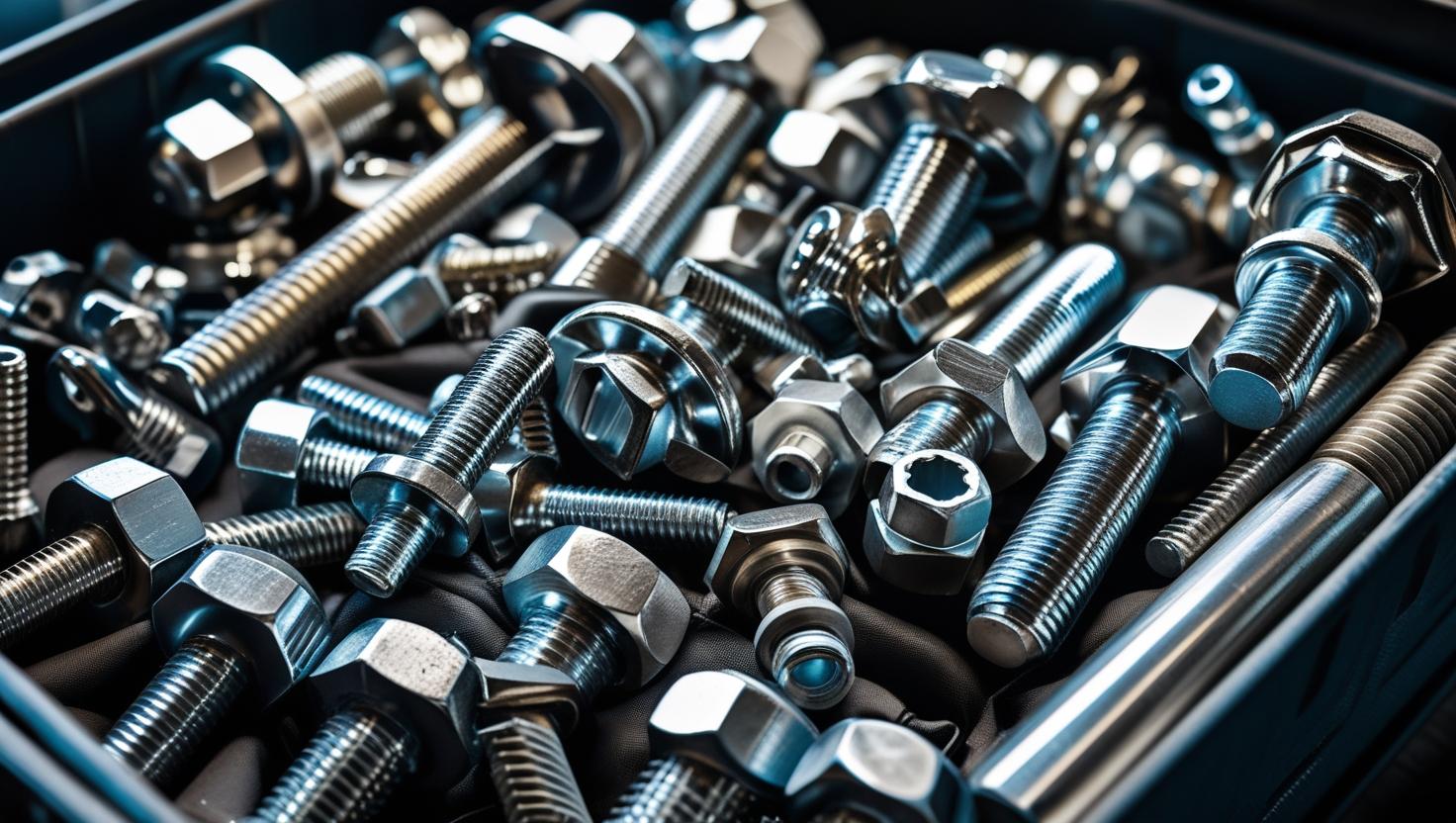
Abolt OEM setis not just a group of fasteners—it’s a packaged, often branded kit aligned to a specific machine, system, or export requirement. Key features include:
-
Pre-sorted bolts with defined spec (grade, size, threading)
-
Application-based coatings (zinc plated, HDG, black oxide)
-
Labeling (barcode, QR code, color codes)
-
Neutral export packaging (polybag, small boxes, carton kits)
-
Full documentation for customs clearance and audits
Unlike general suppliers, custom set providers likeJinglesupport these tailored needs from design to final inspection.
Where Do OEM Buyers Usually Struggle?
1. Unclear Specification at RFQ Stage
Buyers often fail to provide torque range, coating needs, or labeling requirements early on, leading to delays or rework.
Solution: Work with suppliers that offer spec review and drawings (e.g., CAD to part review) before quoting.
2. Packaging Not Aligned with End-Use
Loose bulk bolts may work in construction, but not for e-commerce kits or retail.
Solution: Use suppliers with in-house kitting and labeling—Jingle offers OEM set packing with size labels, language manuals, and lot tracking.
3. Missing or Incomplete Documents
Customs often require country of origin, commercial invoice, and packing list—many small bolt suppliers miss this.
Solution: Confirm suppliers offer full export paperwork (CO, CI, PL) and batch traceability before PO.
How to Choose the Right Bolt Custom Supplier
Here’s a checklist when vetting suppliers:
| Requirement | Why It Matters |
|---|---|
| OEM head stamping or logo engraving | Enhances brand consistency and anti-fraud |
| Low MOQ custom set support | Enables batch testing before scale-up |
| Packaging customization | Ensures retail, e-commerce, or factory fit |
| Full export document support | Reduces customs risks and clearance issues |
| Mechanical testing availability | Verifies tensile, yield, hardness compliance |
Jingle ticks all the boxes by integrating in-house machining, packaging, and document processing forbolt OEM sets and custom fastener kits.
Take Control of Your Bolt Sourcing
For OEM buyers, it’s no longer just about price per kilo—it’s aboutreliability, traceability, and packaging readiness.
Partnering with the rightbolt custom supplierhelps you:
-
Reduce assembly line disruptions
-
Simplify warehouse inventory
-
Comply with export and retail regulations
-
Improve your customer’s experience with clear labeling and fit
Whether you're building heavy machinery or offering private-label repair kits, your bolts must arrivecorrect, certified, and compliant.
Plan Your Next Custom Bolt Set with Confidence
Need help quoting a custom bolt kit? Want to understand what packaging, head types, or coatings best suit your region?
Visit ourhomepageor talk directly with our export team via ourcontact page— we’ll help you turn a confusing fastener spec into a production-ready, export-ready solution.