When Standard Fasteners Aren’t Enough: The Value of Custom Manufacturing
Why Standard Solutions Sometimes Fall Short
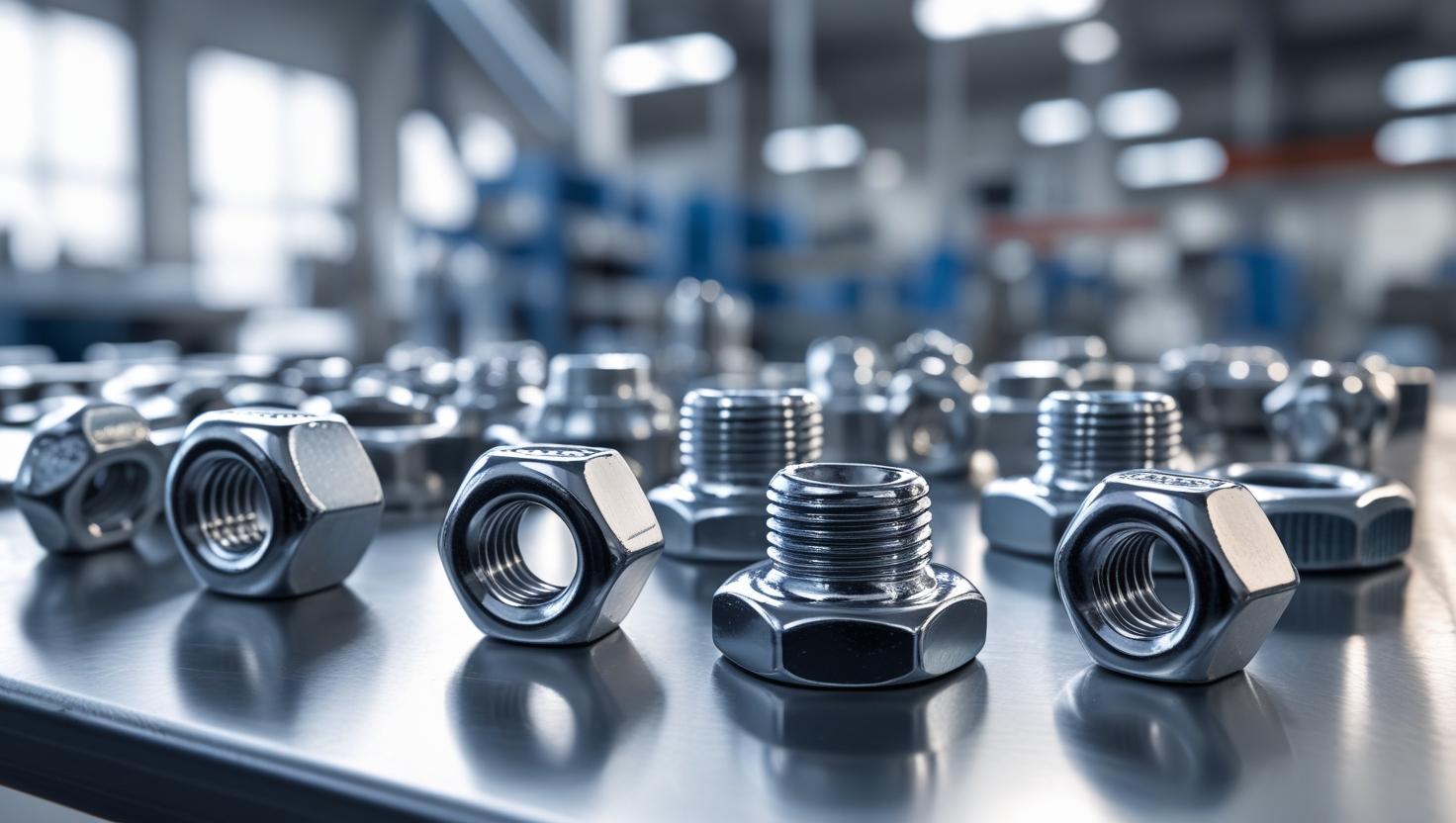
Standard bolts and nuts meet everyday requirements, but not every project fits into catalog dimensions. Bridges needing oversized anchor bolts, aerospace systems requiring lightweight alloys, or offshore turbines demanding corrosion-proof parts—all highlight the limits of standard fasteners. In such cases, custom manufacturing is not a luxury; it is a necessity.
Real-World Scenarios That Call for Custom Fasteners
-
Infrastructure: High-strength anchor bolts for tunnels, bridges, and stadiums.
-
Energy: Stainless steel fasteners designed for offshore wind farms and solar installations.
-
Automotive: EV battery housings and precision screws with conductive coatings.
-
Heavy Machinery: Threaded rods and nuts engineered to resist vibration and fatigue.
-
Aerospace & Defense: Titanium fasteners that balance weight reduction with maximum strength.
Across these industries, reliability depends on tailored fastening solutions designed to perform under unique conditions.
The Process Behind Custom Manufacturing
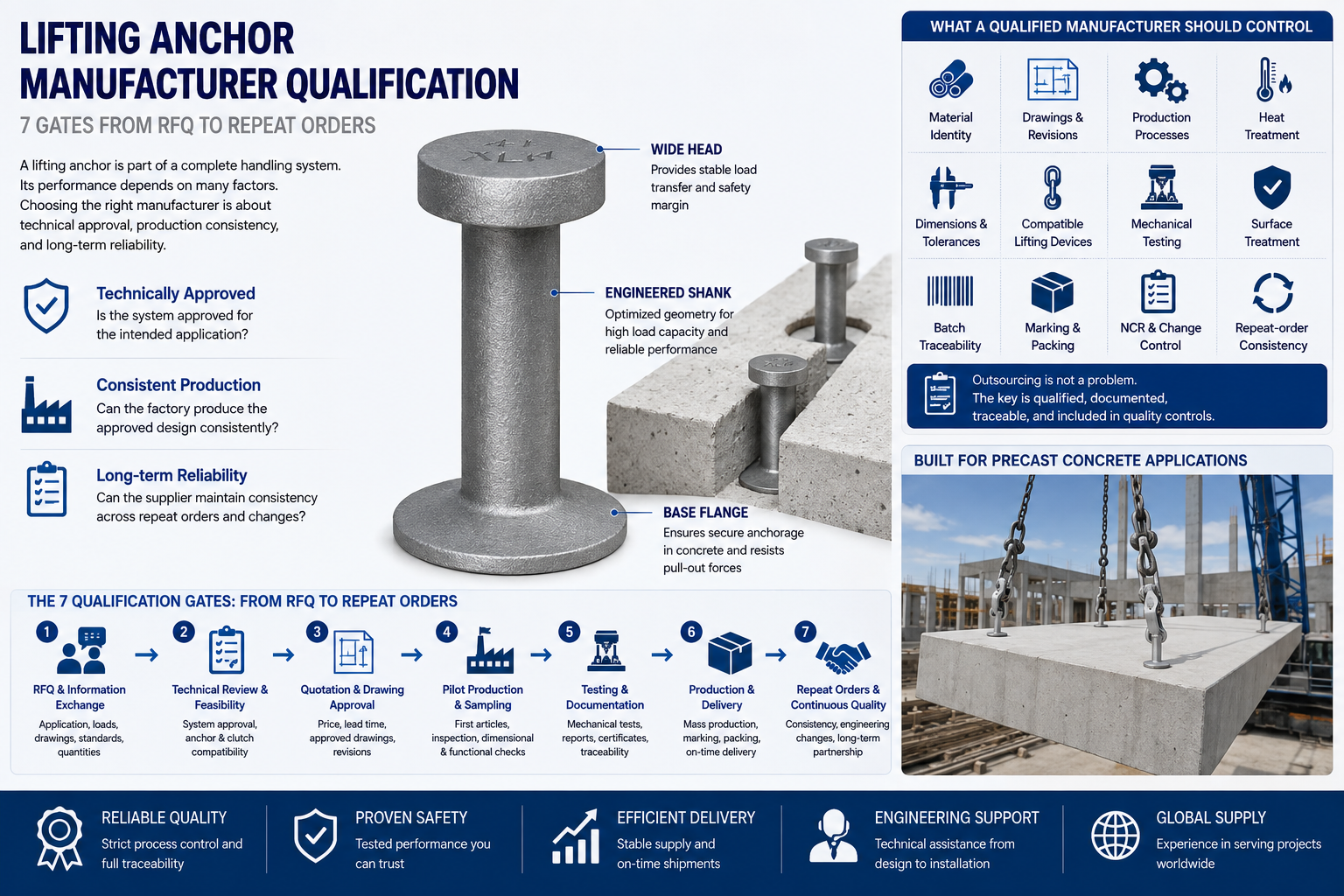
Custom fasteners require more than a machine and raw material. A structured approach ensures quality and consistency:
-
Engineering Review: Designs are analyzed for manufacturability.
-
Material Selection: From carbon steel to exotic alloys like titanium.
-
Prototype Stage: Samples produced for testing and validation.
-
Scaled Production: CNC machining, hot forging, or stamping for mass output.
-
Testing & Certification: Tensile, hardness, and corrosion resistance tests aligned with ISO and ASTM standards.
-
Traceable Delivery: Documentation and logistics ensuring compliance across industries.
This workflow reduces risks and guarantees performance where standard solutions cannot.
Challenges Buyers Face with Custom Fasteners
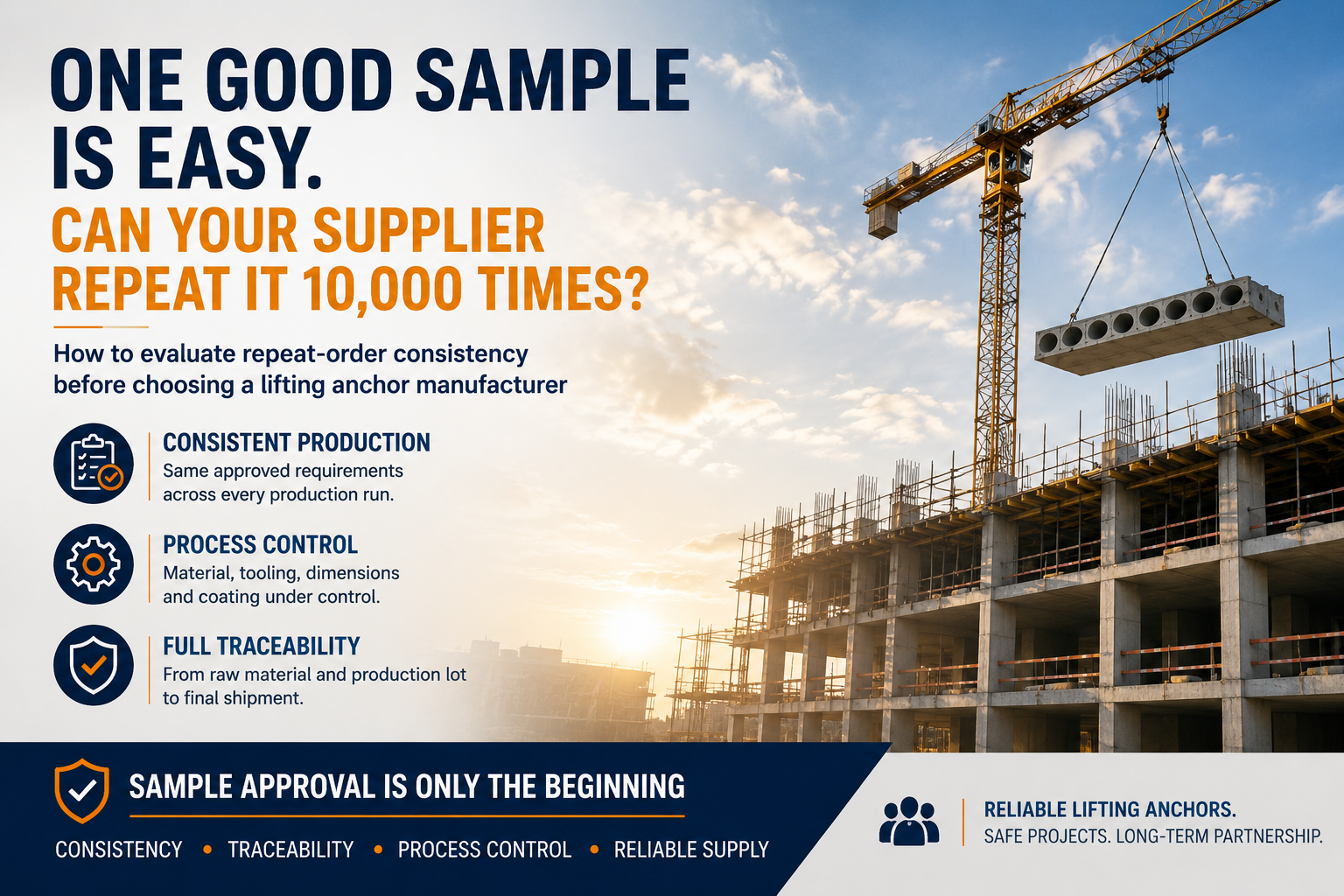
Sourcing non-standard fasteners is rarely straightforward. Buyers often face unclear specifications, where drawings may be difficult to manufacture at scale. Material mismatches are another common issue—choosing the wrong steel or coating leads to premature failure in harsh conditions. Inconsistency between prototype and mass production is also a recurring challenge, with samples passing tests but bulk deliveries failing to match. Finally, insufficient quality documentation and traceability can cause compliance problems in regulated industries.
Professional suppliers overcome these hurdles by offering early engineering input, material expertise, ISO/ASTM-aligned testing, and transparent reporting. By resolving these issues upfront, reliable partners transform potential risks into predictable, successful outcomes.
How JINGLE Adds Value to Custom Fastener Supply
At JINGLE, custom manufacturing means solving engineering challenges—not just producing parts. Our strengths include:
-
Engineering Support: DFM consultation to refine designs.
-
Material Expertise: Stainless steel, alloy steel, and titanium capabilities.
-
Dual Capability: From small-batch prototypes to mass production.
-
Certified Quality: ISO and CE compliance, verified by in-house lab testing.
-
Global Supply: Proven experience delivering tailored fasteners to over 30 countries.
With JINGLE, buyers gain more than a product; they gain a partner invested in project success.
The Future of Custom Fasteners
As industries evolve, custom fasteners are increasingly critical.
-
Electrification: EV and renewable sectors need specialized conductive and corrosion-resistant parts.
-
Sustainability: Eco-friendly coatings and recyclable materials gain importance.
-
Digital Manufacturing: IoT-enabled monitoring and automated inspections improve reliability.
-
Rapid Prototyping: CNC and 3D modeling shorten lead times from concept to delivery.
These trends show that custom fasteners are no longer niche—they are shaping the future of global engineering.
Standard fasteners will always have their role. But when projects push the boundaries of scale, material, or performance, custom manufacturing becomes indispensable. By partnering with a certified supplier, industries secure fasteners that not only fit—but perform where failure is not an option.
Looking for fasteners engineered specifically for your project? Contact JINGLE today to explore tailored solutions.