Why Custom Hardware Parts Drive Modern Engineering
The Limits of Standard Components in Modern Projects
Standardized parts simplify procurement—but they can’t always meet the unique mechanical or environmental requirements of today’s designs.
In modern infrastructure, machinery, or energy systems, components face unusual loads, exposure, or spatial constraints.
This is where custom hardware parts redefine reliability.
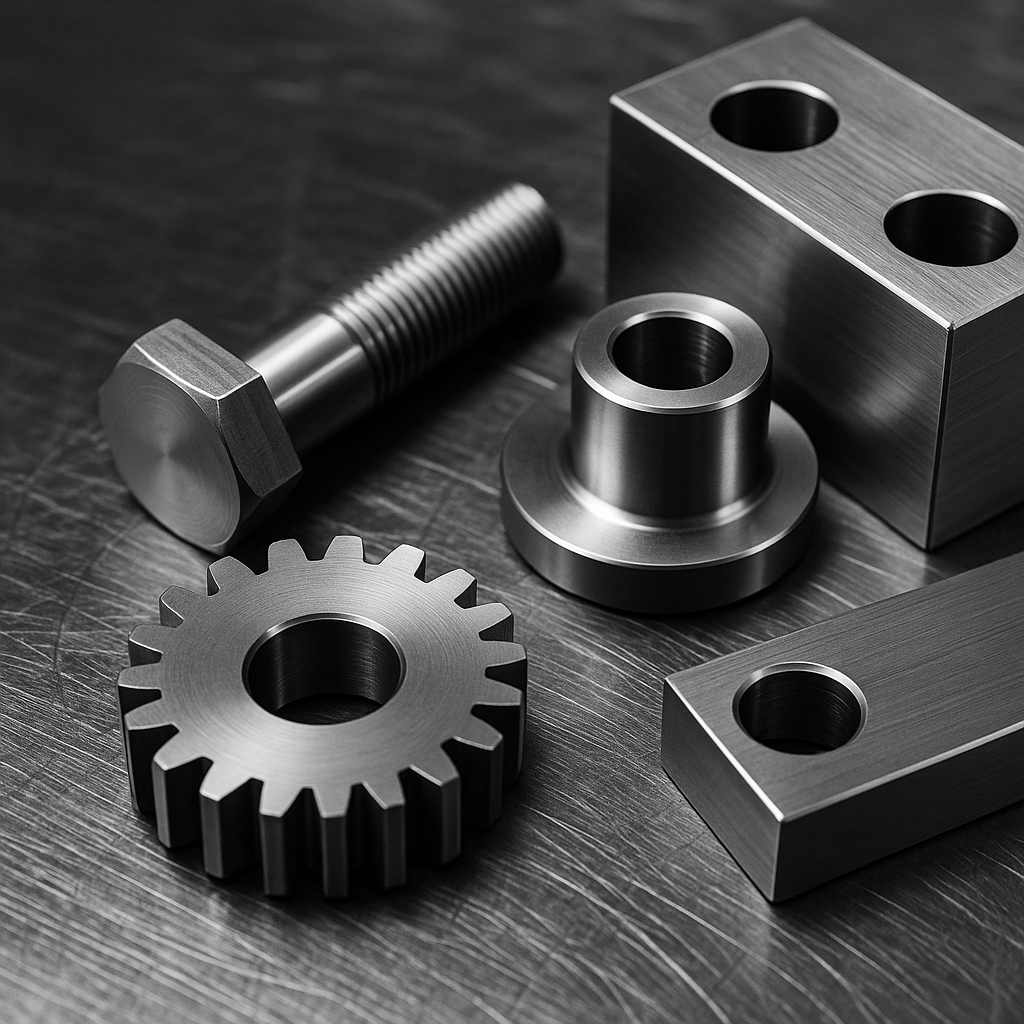
By adapting size, geometry, and material composition, engineers can balance strength, assembly ease, and lifecycle cost far beyond what catalog parts can achieve.
At Jingle, customization isn’t a luxury—it’s a manufacturing principle designed to align hardware precision with real-world function.
Engineering Logic: How Customization Enhances Performance
Custom hardware enables engineers to fine-tune the three dimensions that define mechanical success: fit, function, and fatigue.
Key Custom Design Factors
-
Dimensional Optimization — Achieving perfect alignment and load distribution in nonstandard joints.
-
Material Selection — Using stainless steel, ductile iron, or titanium based on environmental and stress demands.
-
Thread and Geometry Design — Controlling pitch, flank angle, and contact radius for predictable torque response.
-
Surface Finishing — Applying galvanization, phosphate, or nickel plating to extend component life.
When engineered as a complete system, custom hardware doesn’t just fit—it performs exactly as intended under dynamic load.
Technical Comparison: Standard vs. Custom Hardware
| Criteria | Standard Hardware | Jingle Custom Hardware |
|---|---|---|
| Design Flexibility | Fixed catalog dimensions | Fully tailored to drawing or 3D model |
| Tolerance Control | ±0.3–0.5 mm | ±0.02–0.05 mm precision machining |
| Material Options | Limited (carbon steel) | Stainless, alloy, or special composites |
| Corrosion Resistance | General-purpose coating | Application-specific multi-layer finish |
| Assembly Efficiency | Requires adjustment | Direct-fit, reduced installation time |
| Lifecycle Cost | Lower initial, higher replacement | Higher initial, longer service life |
Jingle’s integrated manufacturing—from CAD-based design to CNC machining and finishing—ensures the end component performs exactly as engineered.
Application Scenarios: Custom Hardware in Action
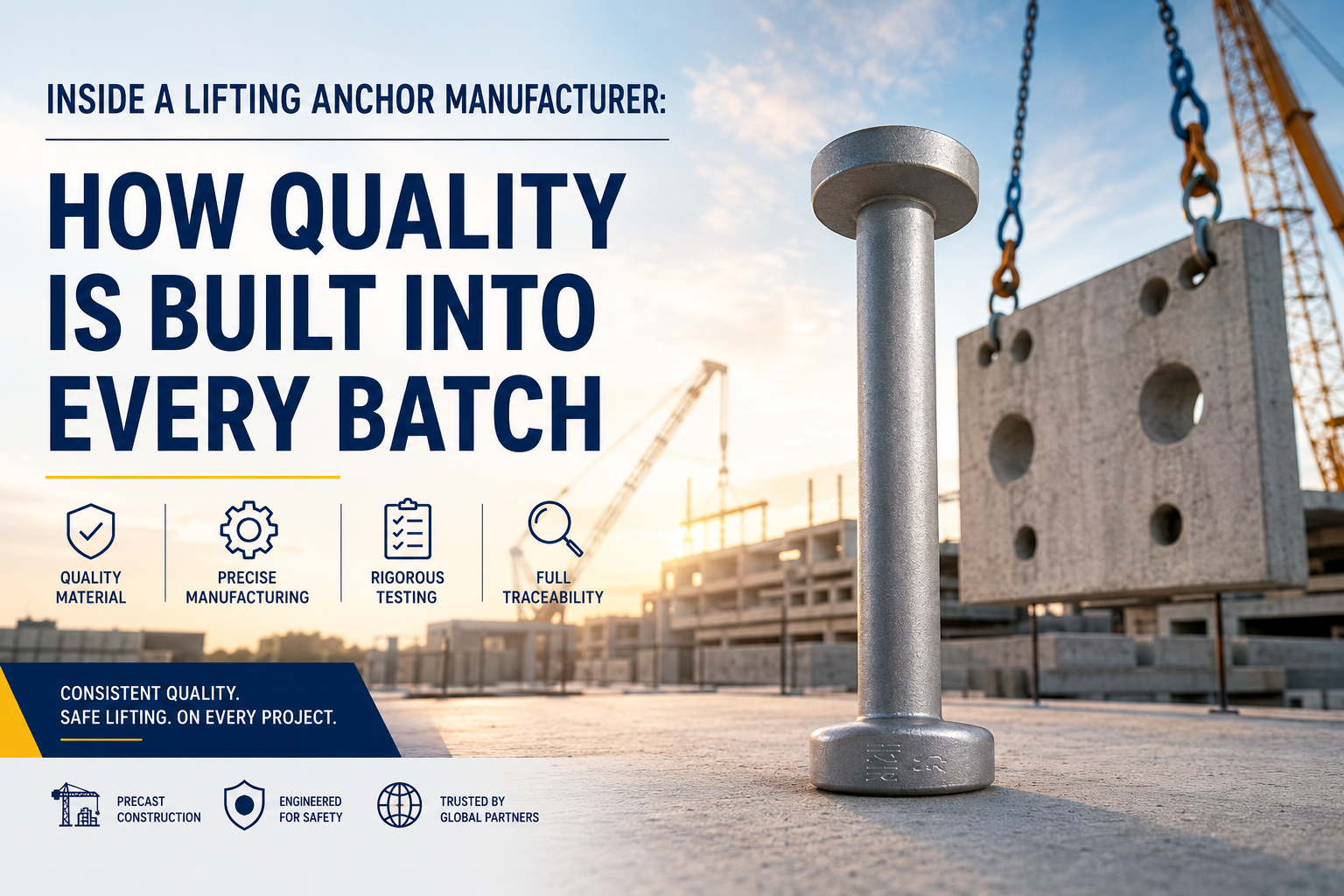
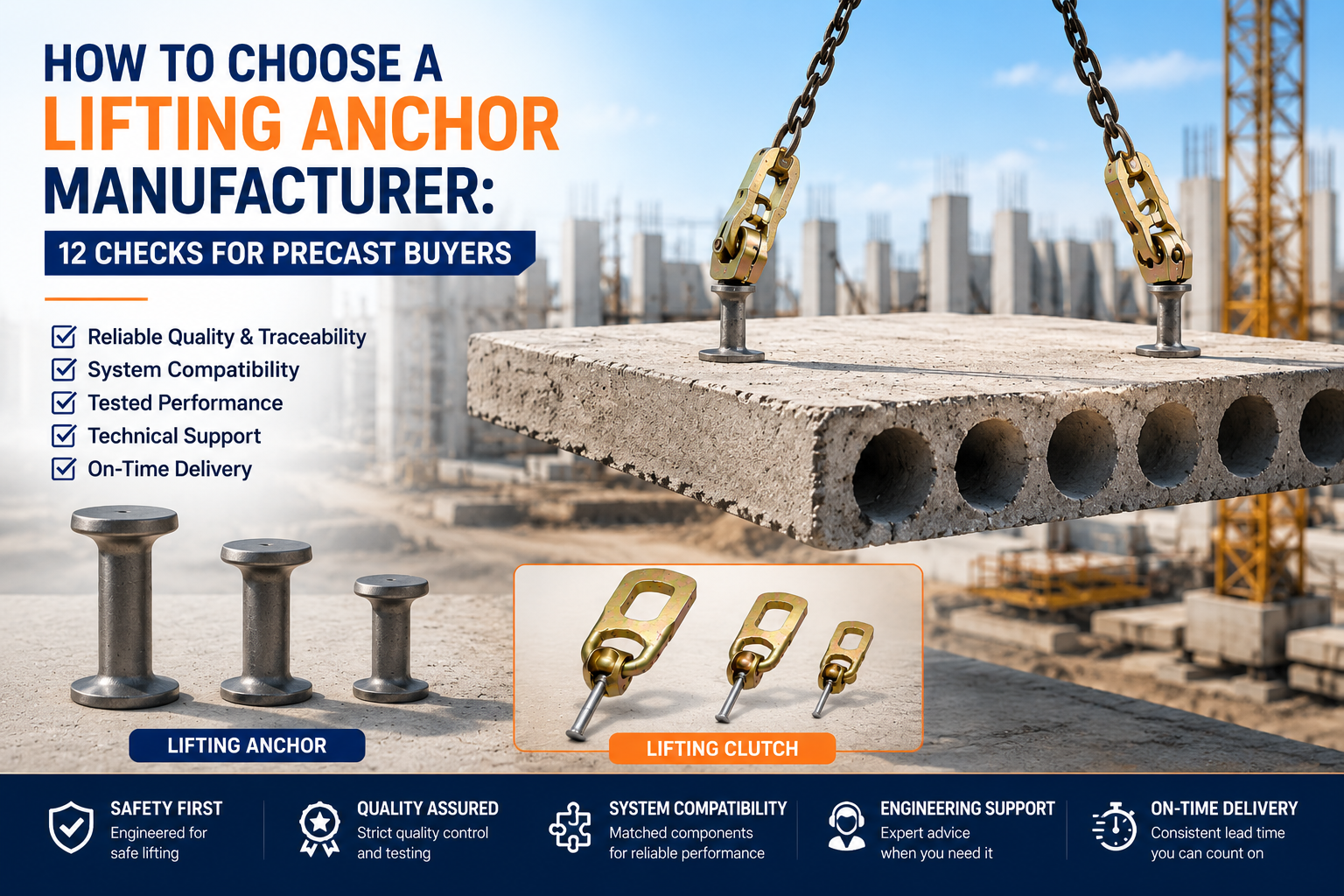
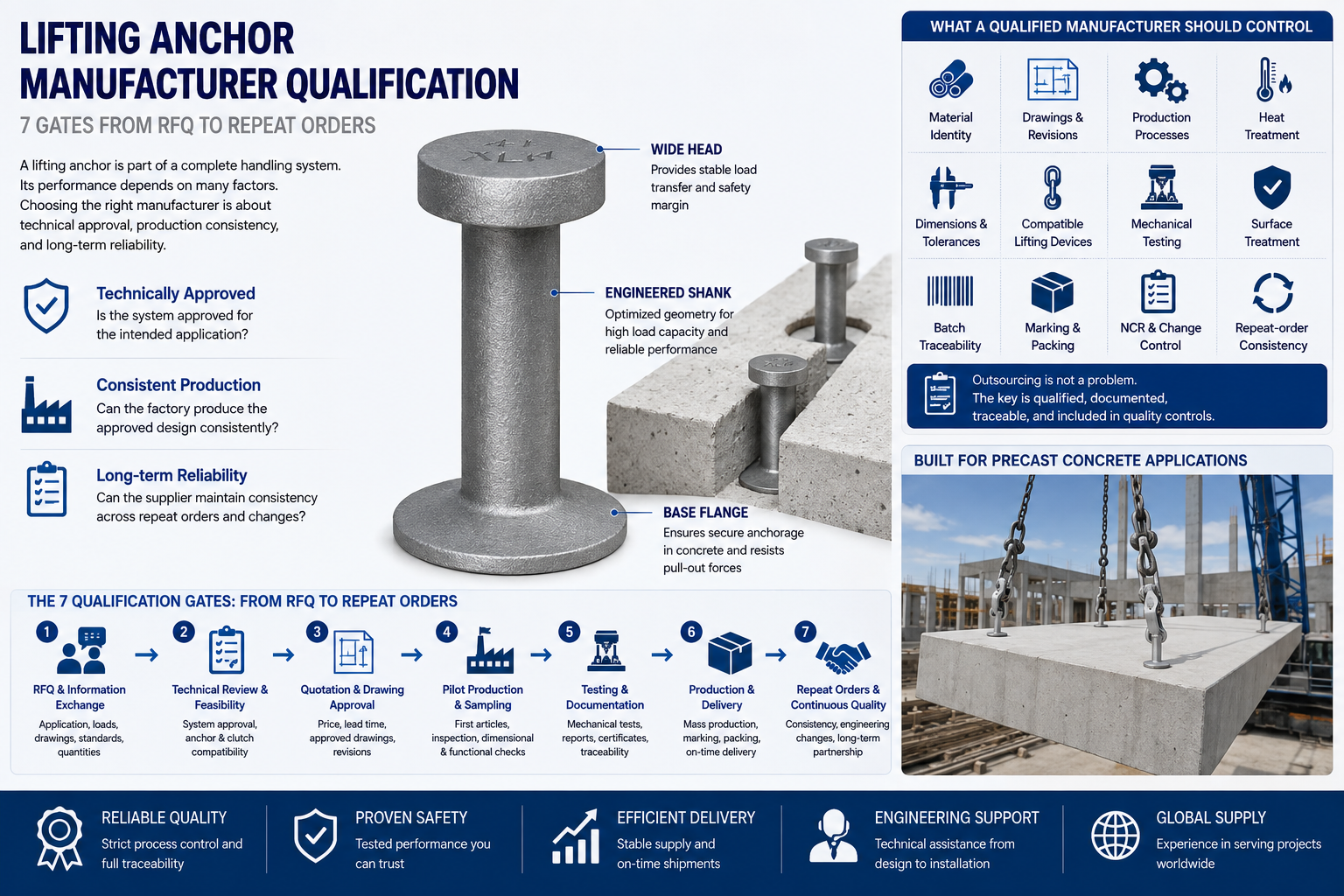
1. Precast Construction Systems
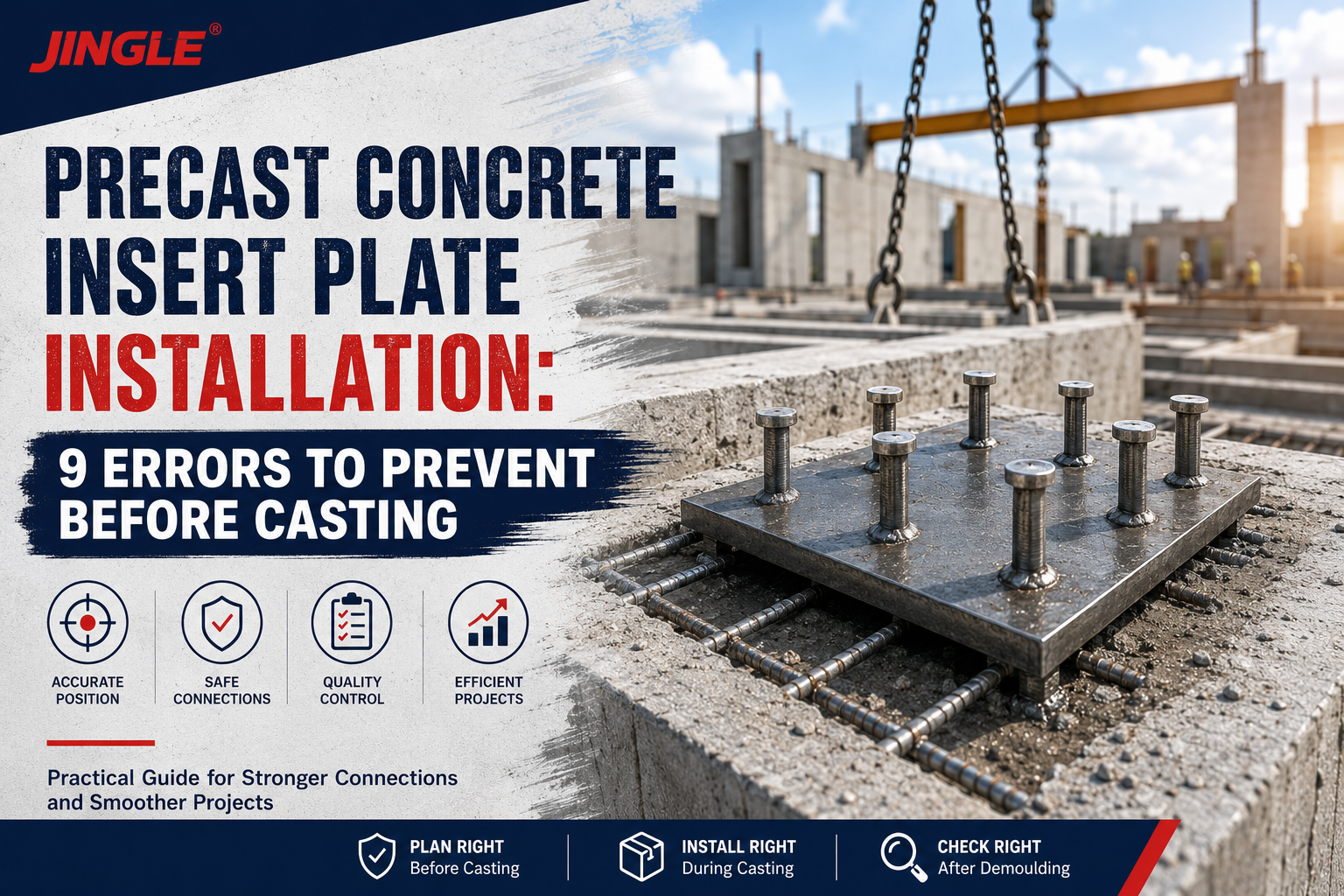
Tailored inserts, anchors, and couplers designed to match rebar geometry and load path requirements.
2. Industrial Machinery
Precision-threaded shafts and locking systems resistant to vibration and cyclic fatigue.
3. Renewable Energy Projects
Anti-corrosion hardware designed for offshore wind, solar frames, and coastal installations.
4. Automotive and Transportation
Custom bolts and brackets improving weight balance and assembly speed.
5. Infrastructure Retrofitting
Nonstandard connectors for joining old and new sections in bridge or tunnel renovation.
Every application demands a balance of precision and adaptability—the hallmark of Jingle’s engineering.
Practical Selection Framework: Designing the Right Custom Hardware
| Design Objective | Recommended Focus | Engineering Benefit |
|---|---|---|
| Tight Tolerance Assembly | CNC machining, coordinate inspection | Eliminates cumulative misfit |
| Outdoor Corrosion Resistance | Duplex coating or stainless alloys | Extends lifecycle by 40–60% |
| High-Fatigue Environments | Fine-thread pitch, shot peening | Reduces crack propagation |
| High-Load Joints | Forged blanks + heat-treated bolts | Improved yield strength |
| Quick Assembly Needs | Integrated washers and sleeves | Simplifies on-site installation |
🧩 Engineering Insight:
When designing custom hardware, always model stress concentration around threads and contact zones using FEA simulation—especially for cyclic or dynamic loads.
Frequently Asked Questions
Q1: What’s the minimum batch for custom hardware production?
Depending on part complexity, Jingle supports batches from 100 to 10,000 units with cost scaling.
Q2: How long does OEM development typically take?
3D modeling and sample production take 2–3 weeks; mass production starts after design validation.
Q3: Can coating or plating be customized per environment?
Yes. Jingle offers zinc-nickel, hot-dip galvanization, and powder coating tailored to humidity, salinity, and temperature.
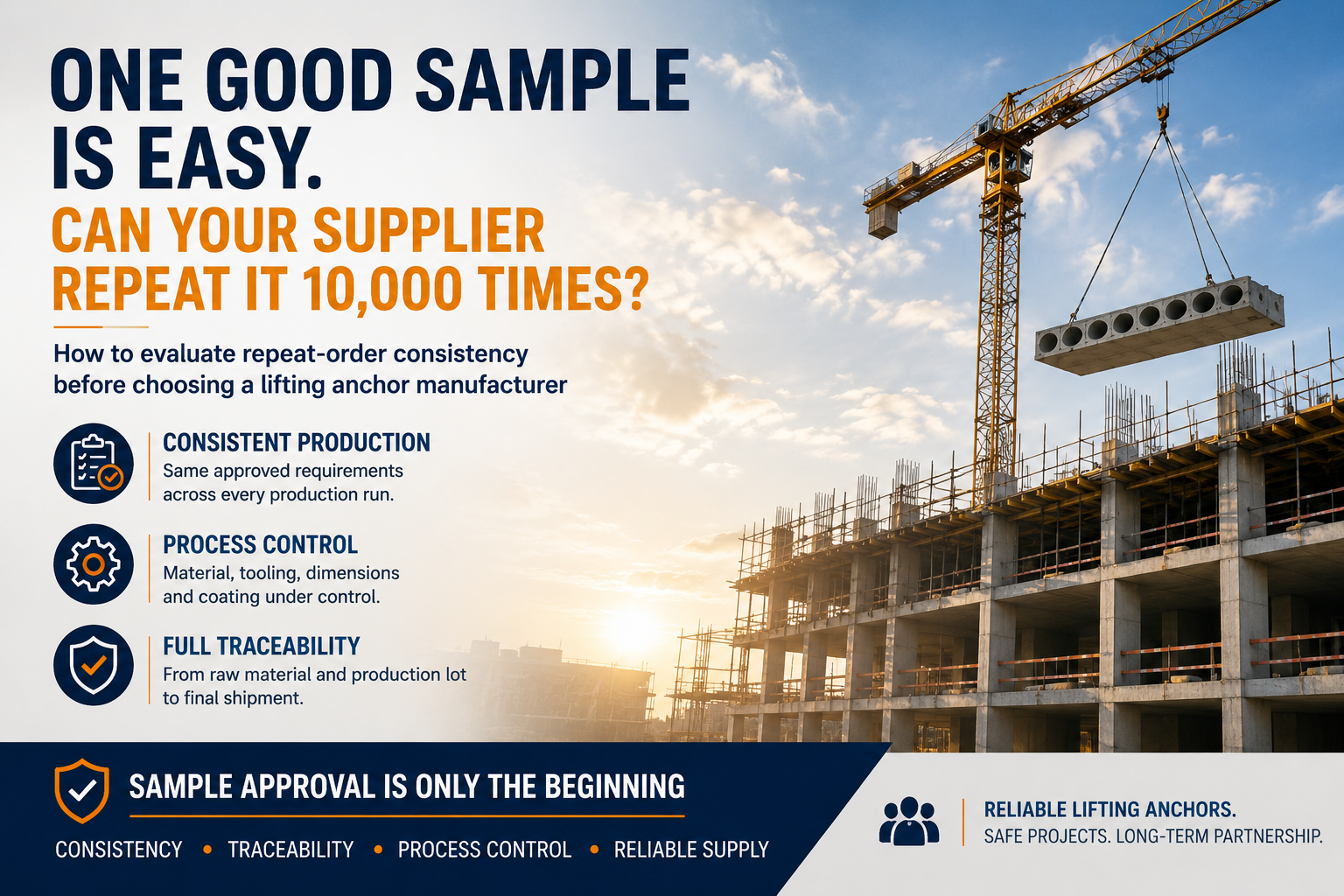
Q4: How does Jingle ensure precision in repeat orders?
All designs are stored in digital archives with process control data and CMM verification for dimensional consistency.
Where Precision Meets Possibility
In the world of construction and manufacturing, “fit” is more than geometry—it’s the alignment between design intent and material behavior.
With custom hardware engineering, Jingle ensures every part supports performance, safety, and efficiency across industries.
From prototype bolts to high-volume OEM assemblies, our production lines turn complex challenges into reliable hardware solutions.
To discuss your next project or request a tailored hardware design, visit our homepage or contact us through the contact page.